Pulse ingredients market expands as plant proteins drive clean-label demand
Pulse ingredients are moving beyond meat analogs as food makers use them to boost protein, fiber, texture and clean-label appeal without inflating costs.
Pulse ingredients move from niche to core formulation
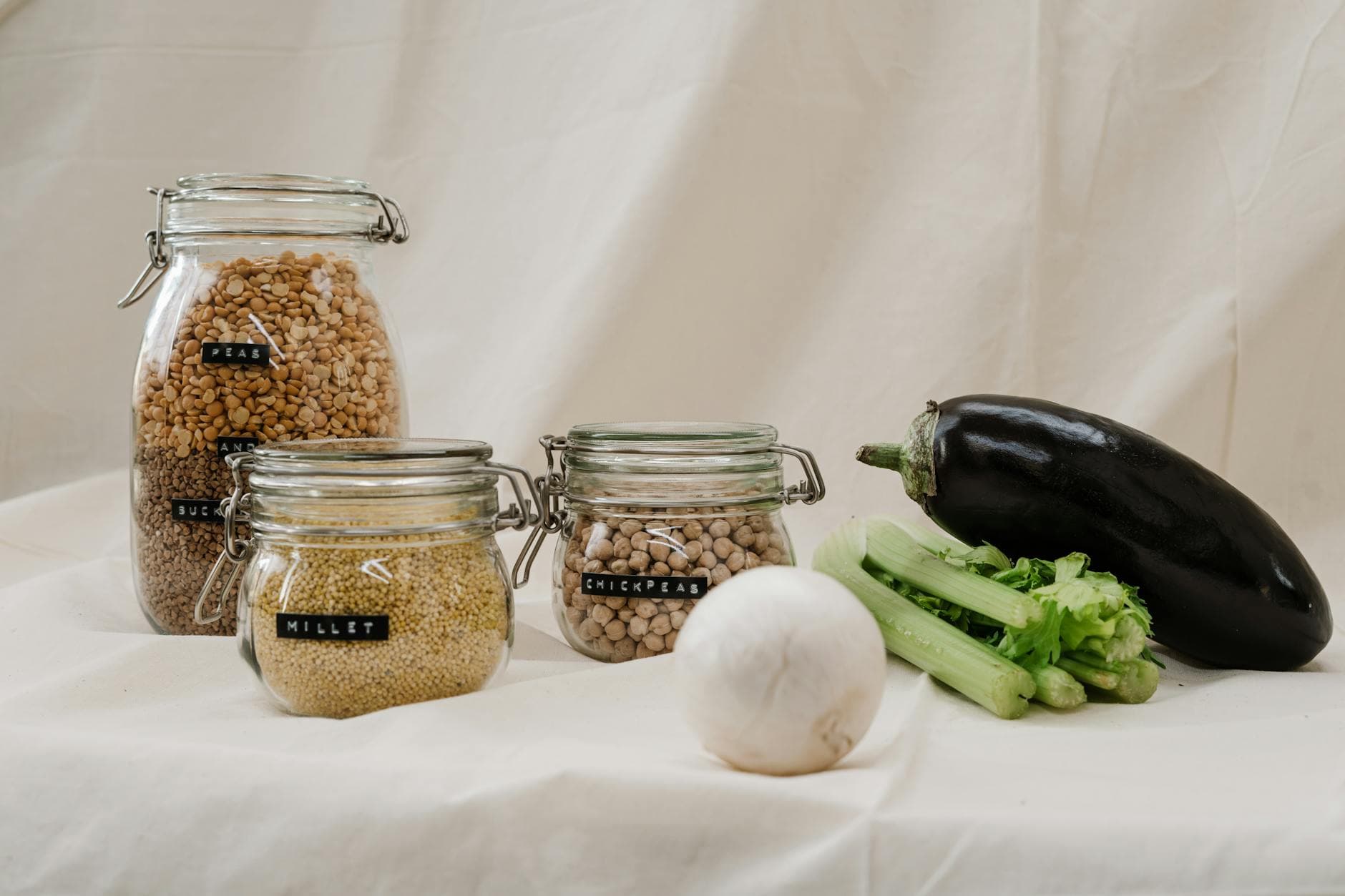
Pulse ingredients are no longer just a plant-based substitute on the back of a package. They are becoming the kind of versatile workhorse food makers need right now: a way to add protein, improve texture, enrich fiber and keep ingredient decks cleaner at a time when shoppers are scrutinizing labels more closely. Future Market Insights says that shift is helping the category enter a steady expansion phase, with pulses such as peas, chickpeas and lentils increasingly treated as multi-use building blocks rather than single-purpose meat alternatives.
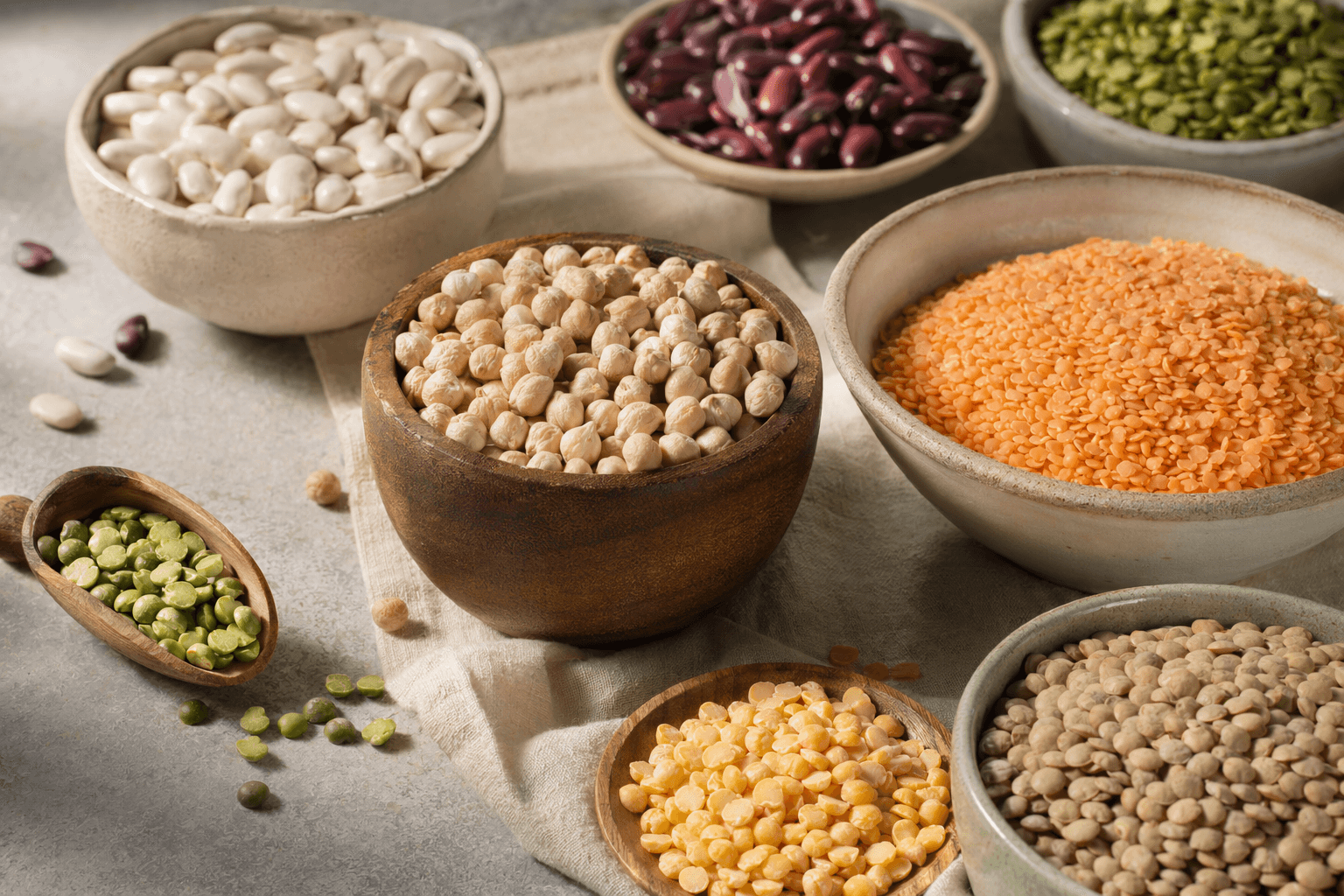
That broader role matters because the market story is not being driven by one trend alone. Protein demand, clean-label pressure and cost control are converging, and pulse ingredients sit in the middle of all three. They help brands answer multiple expectations in one reformulation, which is why they are showing up in far more applications than the obvious plant-based entrée aisle.
Where adoption is really happening
The strongest momentum is coming from applications that need function, not just nutrition. Protein fortification remains the anchor, but texture work, allergen replacement and fiber enrichment are all helping pulses move into mainstream product development. That includes snacks, baked goods, meal solutions and hybrid products, where pulse flours and proteins can strengthen structure, support a protein claim and reduce reliance on longer ingredient lists.
Protein fortification with label support
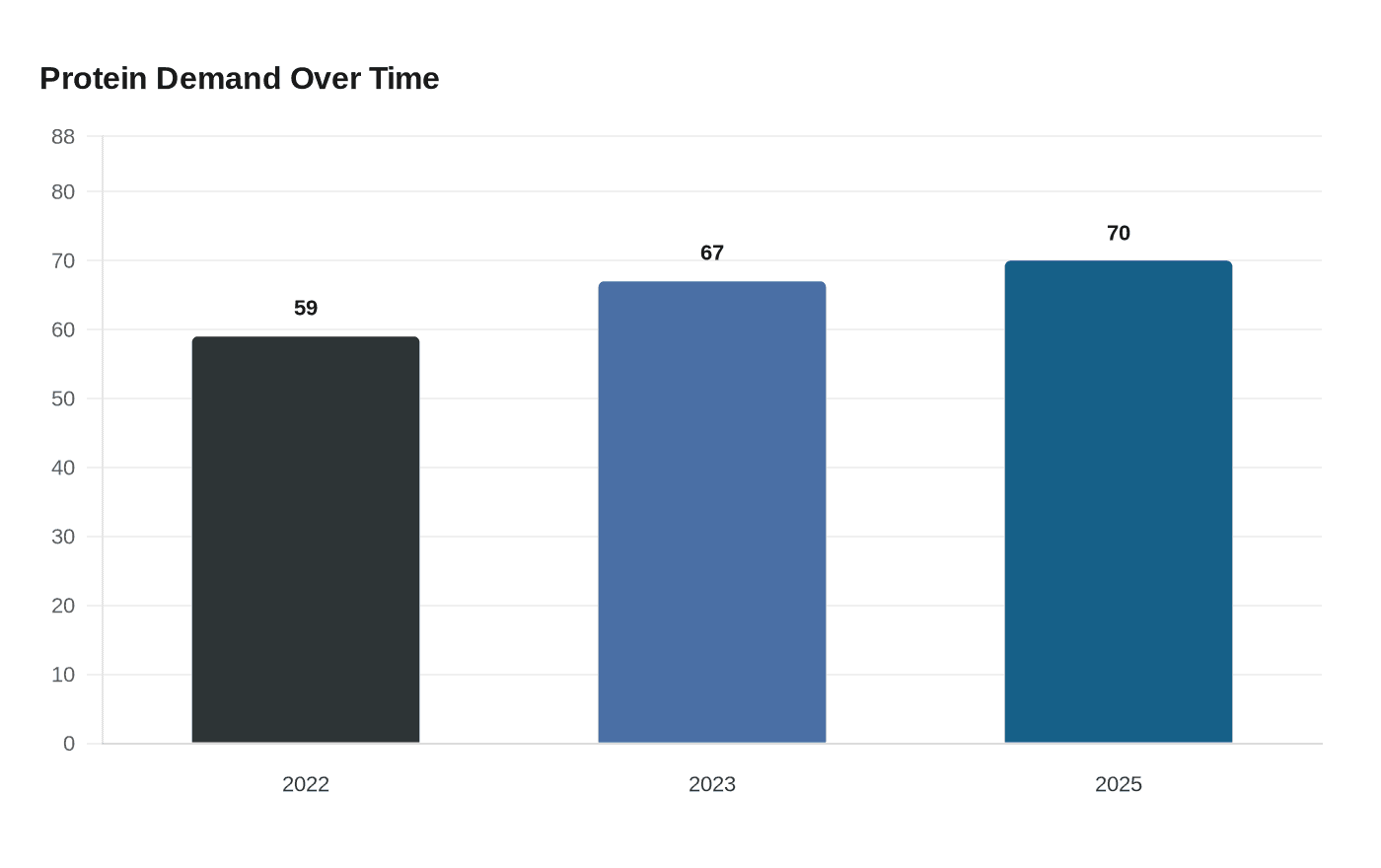
Protein is still the loudest consumer signal. CoBank reported that 70% of American consumers wanted their diets to include more protein in 2025, up from 67% in 2023 and 59% in 2022, and that kind of demand explains why pulse-based ingredients are gaining shelf space across categories. Future Market Insights lists protein solutions as the leading product segment in the market, with a 25% share, which reinforces how central protein enrichment has become to formulation strategy.
Pulse Canada adds an important practical detail: using the right ratio of pulse flour can improve protein quality enough to support a protein claim on the label. Its example of wheat pasta reformulated with 25% lentil flour shows how a familiar staple can be redesigned to deliver more protein and better nutritional positioning without abandoning consumer recognition.
Texture, allergen replacement and fiber enrichment
Pulses are also valuable because they do more than raise protein content. They can help replace allergens, improve mouthfeel and structure, and add fiber, which is especially useful in categories where consumers want both nutrition and convenience. That makes them appealing in baked goods and meal solutions, where ingredient performance matters as much as the nutrition panel.
The clean-label angle is just as important. Brands are looking for ways to shorten ingredient lists while keeping products functional, and pulse flours and proteins fit that brief better than many engineered alternatives. In that sense, pulse ingredients are less a specialty ingredient and more a formulation tool that can solve for multiple pressures at once.
Foodservice and mainstream channels are widening the market
Future Market Insights says foodservice is the top end-use segment, with a 28.2% share, which is a useful signal that pulse ingredients are not being limited to packaged retail launches. Foodservice operators are under the same pressure as branded manufacturers to offer protein-forward, familiar and cost-aware menu options, and pulses give them a flexible base for soups, patties, baked items and blended dishes.
That matters for resilience. A category tied only to plant-based burgers would be vulnerable to shifting consumer tastes, but pulses are spreading across channels and meal occasions. That wider footprint helps explain why the category is being framed as a platform ingredient rather than a narrow subsegment.
The sustainability case is strengthening the commercial case
The argument for pulses is no longer purely nutritional. Harvard T.H. Chan School of Public Health notes that legumes can release up to seven times less greenhouse gas emissions per area than other crops, which gives ingredient buyers a concrete sustainability benefit to pair with protein claims. A 2024 peer-reviewed study went further, finding pulses were among the lowest-cost protein sources and had the lowest greenhouse gas emissions and energy demand among the protein foods examined.
That combination of affordability and lower environmental impact is powerful for manufacturers dealing with cost pressure. Pulses can support value positioning without forcing brands to lean on expensive animal proteins or heavily processed protein systems. For many developers, that makes them a practical answer to the twin challenge of nutrition inflation and margin protection.
What suppliers must solve to unlock more growth
The category’s next phase will depend on performance as much as demand. Future Market Insights says suppliers need to improve flavor neutrality, process consistency and application support if pulse ingredients are going to work in more mainstream foods. That is the difference between a promising ingredient and a dependable production tool.
Developers know the pain points: beany notes, texture variation and processing variability can make reformulation difficult. Suppliers that can deliver cleaner flavor, tighter functional specs and easier integration into existing lines will have an edge, especially in categories where taste and repeat purchase matter more than novelty.
How the market is being sized, and why that matters
Future Market Insights estimates the pulse ingredients market at USD 25.8 billion in 2026 and projects it will reach USD 46.6 billion by 2036, a 6.1% CAGR. It also names the USA, India, China, Brazil and Japan as key growth countries, highlighting both mature demand centers and large-scale emerging opportunities.
Other forecasts show why methodology matters. The Business Research Company estimated the market at USD 22.12 billion in 2025 and USD 23.33 billion in 2026, with a path to USD 29.1 billion by 2030. Research and Markets placed the market at USD 21.1 billion in 2024 and USD 22.35 billion in 2025. Those differences do not change the direction of travel, but they do show that market definition, product scope and regional coverage can materially affect the headline number.
The practical takeaway for manufacturers
Pulse ingredients are moving into the center of next-generation food formulation because they solve several problems at once. They support protein claims, add fiber, improve structure, help replace allergens and align with cleaner labels, all while offering a cost and sustainability story that is increasingly hard for brands to ignore.
That is why the strongest pulse opportunity is not in a single product format, but in the broadest set of everyday foods where consumers already expect protein, familiarity and better-for-you cues. The market’s expansion reflects a larger shift in food development: the most useful ingredients are the ones that do more than one job, and pulses are proving they can do exactly that.
This article was produced by Prism’s automated news system from verified source data, official records, and press releases, then run through automated quality and moderation checks before publishing. The system is built and supervised by the people who set the standards it runs under. Read our full AI policy.
Did this article answer your question?