US farmers pivot to peas, lentils as protein craze boosts demand
GLP-1 users and protein-hungry shoppers are pushing food makers toward peas and lentils, while farmers facing weak grain markets see a rare opening in pulses.
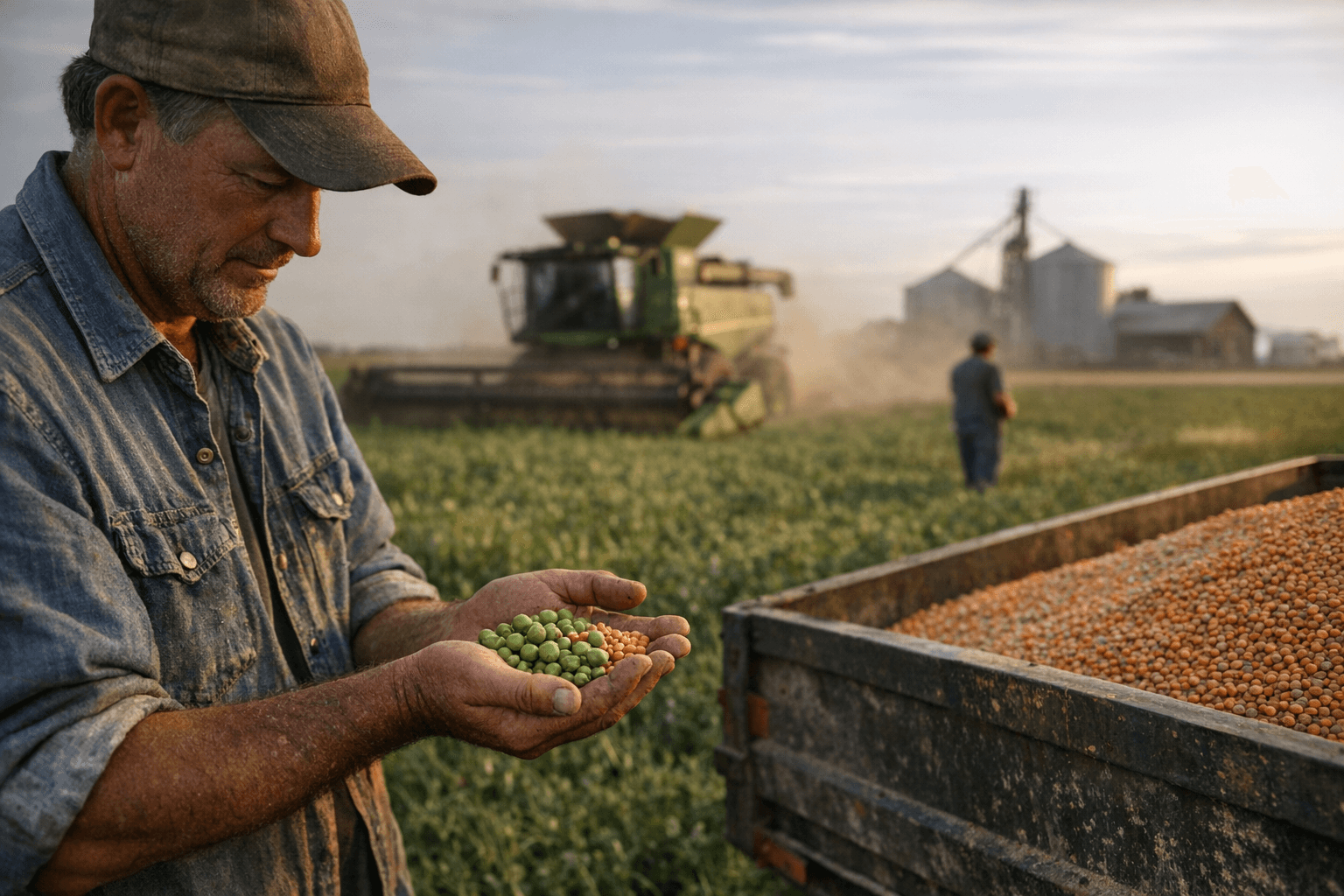
U.S. farmers are shifting acreage toward peas and lentils as the protein boom ripples from drug cabinets to grocery shelves and back to the field. With GLP-1 medications now used by around 12% of the U.S. population, food makers are chasing affordable, high-protein ingredients that can fit into cereal, soda and pasta, and pulses are emerging as one of the clearest beneficiaries.
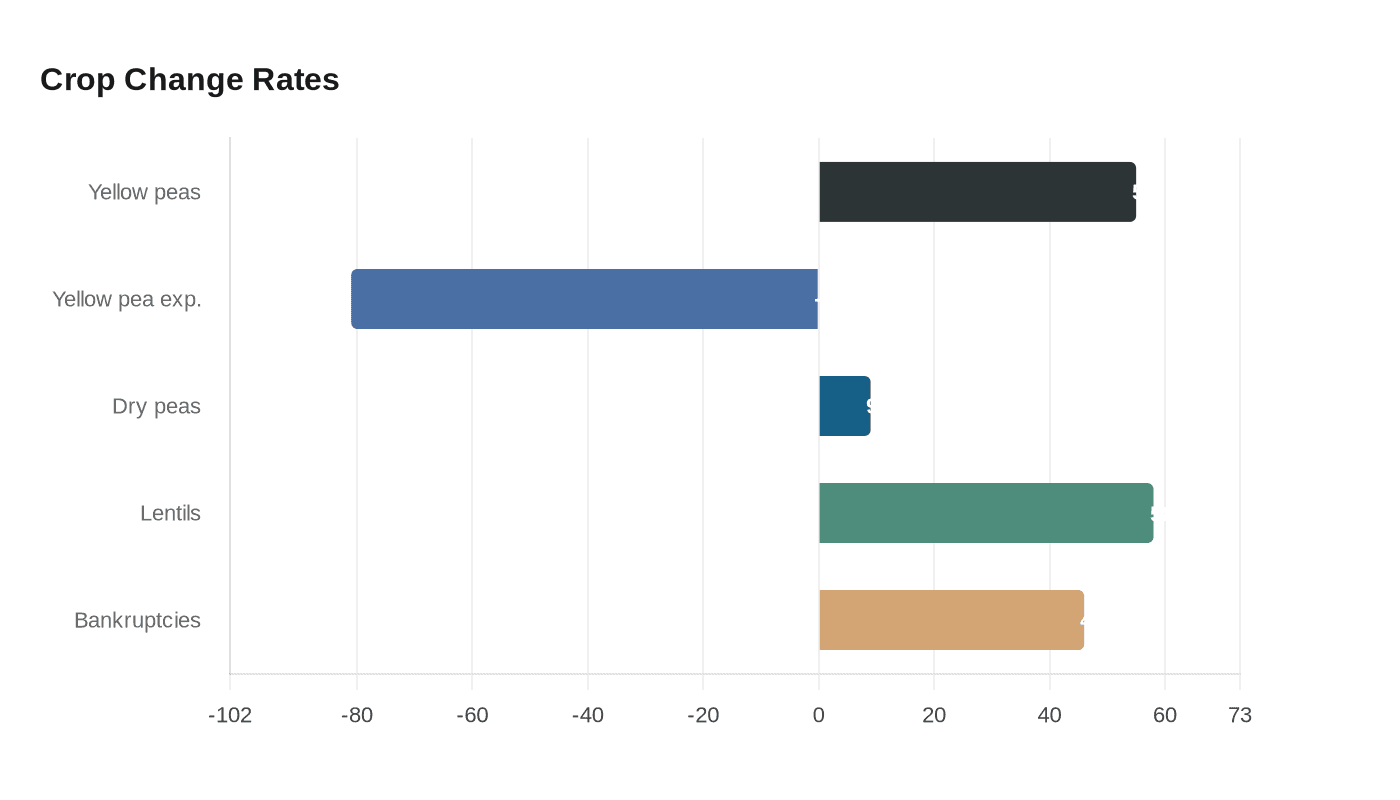
The timing matters for growers. The farm economy is in its fourth straight year of low-to-negative profit margins, squeezed by grain oversupply, tariffs tied to Donald Trump’s trade war, and higher fertilizer and diesel costs. Farm bankruptcies rose 46% from 2024 to 2025, according to court records, leaving many growers looking for any crop that can deliver a better return. In northern Idaho, fifth-generation pea and lentil farmer Aaron Smith is swapping wheat acres for pulses because wheat prices are so low and the GLP-1-driven protein push may be his farm’s only path to profit this year.
What is changing is not just what consumers eat, but what processors are willing to buy. General Mills’ Cinnamon Toast Crunch made in partnership with Ghost carries 17 grams of protein per serving, up from 2 grams in the original version. Pea-protein isolates are being added to fruit-flavored sodas, and lentil flour is showing up in pasta, all signs that ingredient buyers are searching for a plant protein that is cheap, neutral enough to formulate, and easy to scale. That makes peas and lentils practical winners in a market where flashier alternatives can be more expensive or harder to use.
The crop data backs up the pivot. Planted acres of yellow peas have risen 55% over the past 15 years, while U.S. yellow pea exports dropped 81% between 2021 and 2025, suggesting more of the crop is being absorbed at home. USDA’s Economic Research Service said in July 2024 that dry pea planted acreage was expected to rise 9% and lentil acreage 58% in 2024, and its July 2025 outlook said the June 30 USDA National Agricultural Statistics Service acreage report pointed to another year of expanded plantings for pulses.
The demand story also has a medical-policy edge. A joint nutrition paper on GLP-1 therapy says clinicians should support adequate nutrient intake, including protein, during treatment, reinforcing the push for protein-dense foods. And on June 24, 2025, 134 physicians urged the Department of Health and Human Services and the U.S. Department of Agriculture to prioritize beans, peas and lentils in the next Dietary Guidelines for Americans. For farmers like Smith, that alignment between health guidance, food formulation and crop economics is turning pulses from a niche rotation into a serious bet on the future of U.S. protein demand.
This article was produced by Prism’s automated news system from verified source data, official records, and press releases, then run through automated quality and moderation checks before publishing. The system is built and supervised by the people who set the standards it runs under. Read our full AI policy.
Did this article answer your question?