A Simple Gesture adapts green-bag model to feed refugee families
A Simple Gesture is using its green-bag pickup system for refugee families, with volunteer drivers collecting bags and delivering them the same day to Out of the Garden Project.
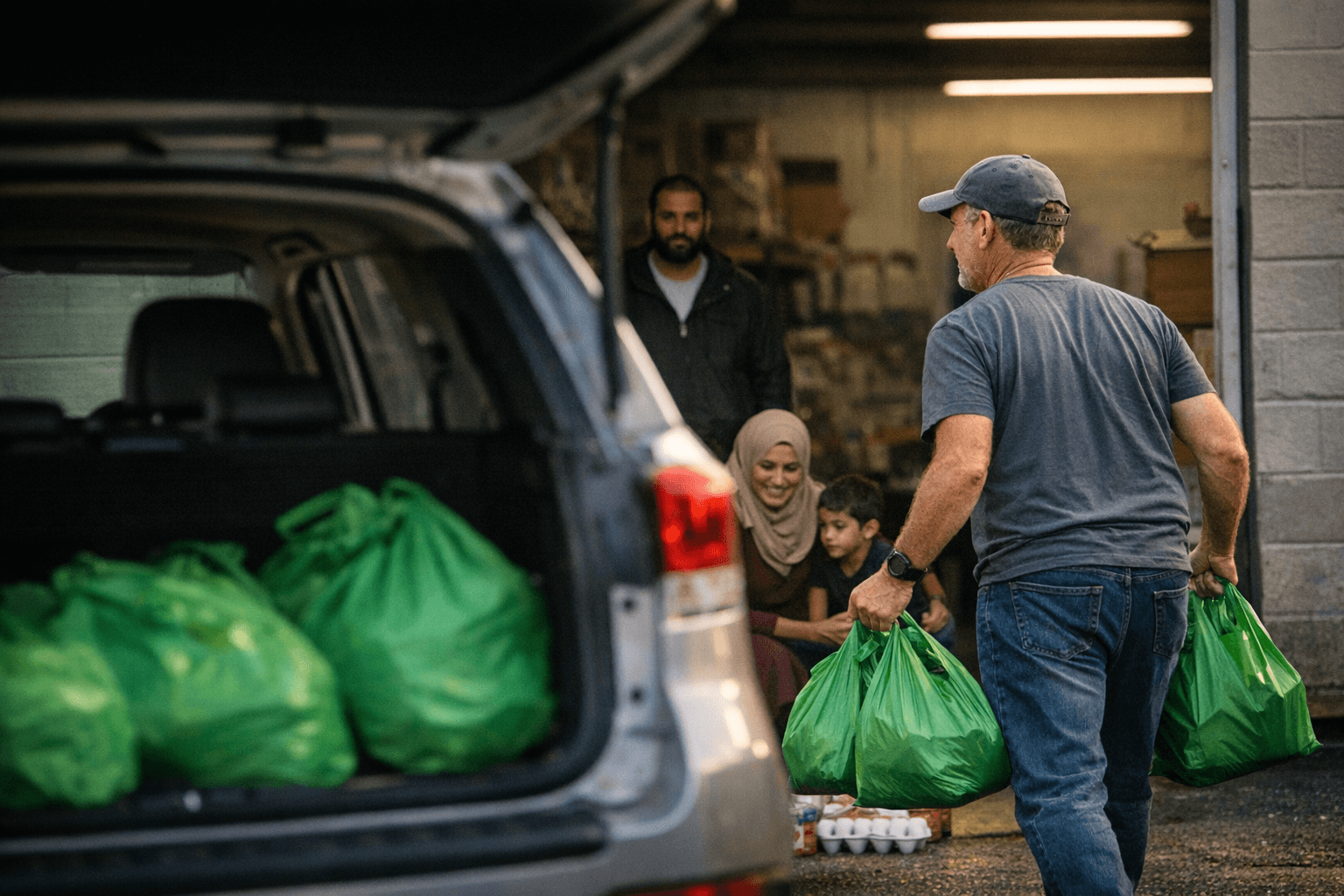
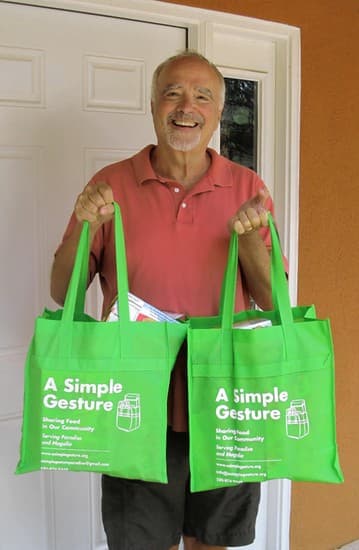
A Simple Gesture is repurposing its familiar green-bag operation for a narrower need: helping refugee children and families get wholesome, nutritious food without asking the organization to rebuild its logistics from scratch. The Refugee Feeding Network uses the same doorstep model that powers the group’s broader food-recovery work. Households receive a reusable grocery bag, fill it with donated food, and leave it outside on a scheduled pickup date. Volunteer drivers collect the bag, leave an empty replacement behind and deliver the donations the same day to Out of the Garden Project.
That structure matters inside a nonprofit where reliability is part of the job. For staff and volunteers, the challenge is not just collecting food, but keeping the handoffs simple enough that more people can say yes. A Simple Gesture’s site gives donors a second option too: they can drop bags at the organization’s Greensboro office and pick up a replacement bag for the next cycle. The model creates a low-friction entry point for people who may start as food donors and later move into driver or support roles, a useful feature for recruitment and retention in a volunteer-based operation.
The Refugee Feeding Network also fits into a larger local system that already depends on coordination. A Simple Gesture says its Guilford County operation partners with dozens of local food pantries, and its volunteer and get-involved pages list the Refugee Feeding Network alongside food drives and community events. That puts the program squarely in the organization’s day-to-day operations, not off to the side as a special project. It also means the work likely requires careful messaging and consistent scheduling, especially for a population that may be new to the area and still building trust with local service providers.
The need is real in Greensboro. UNC Greensboro has said the city has 17 census tracts or neighborhoods facing high rates of food insecurity, and one UNCG publication said the Greensboro-High Point metropolitan area ranked first among the top 100 major U.S. metros for residents experiencing food hardship. Local immigrant-justice advocates in Greensboro have also amplified the Refugee Feeding Network, underscoring how the effort fits into a broader network of newcomer support. For A Simple Gesture, the takeaway is practical: a reusable bag and a porch pickup can become a targeted food-access channel for refugee families while keeping the same basic volunteer machinery intact.
This article was produced by Prism’s automated news system from verified source data, official records, and press releases, then run through automated quality and moderation checks before publishing. The system is built and supervised by the people who set the standards it runs under. Read our full AI policy.
Did this article answer your question?