Arlington food bank grows A Simple Gesture into reliable supply chain
What began with six families now moves about 50,000 pounds a year, thanks to a fixed pickup cadence, volunteer routing and pantry partnerships that make the program hard to break.
From porch pickup to a dependable route
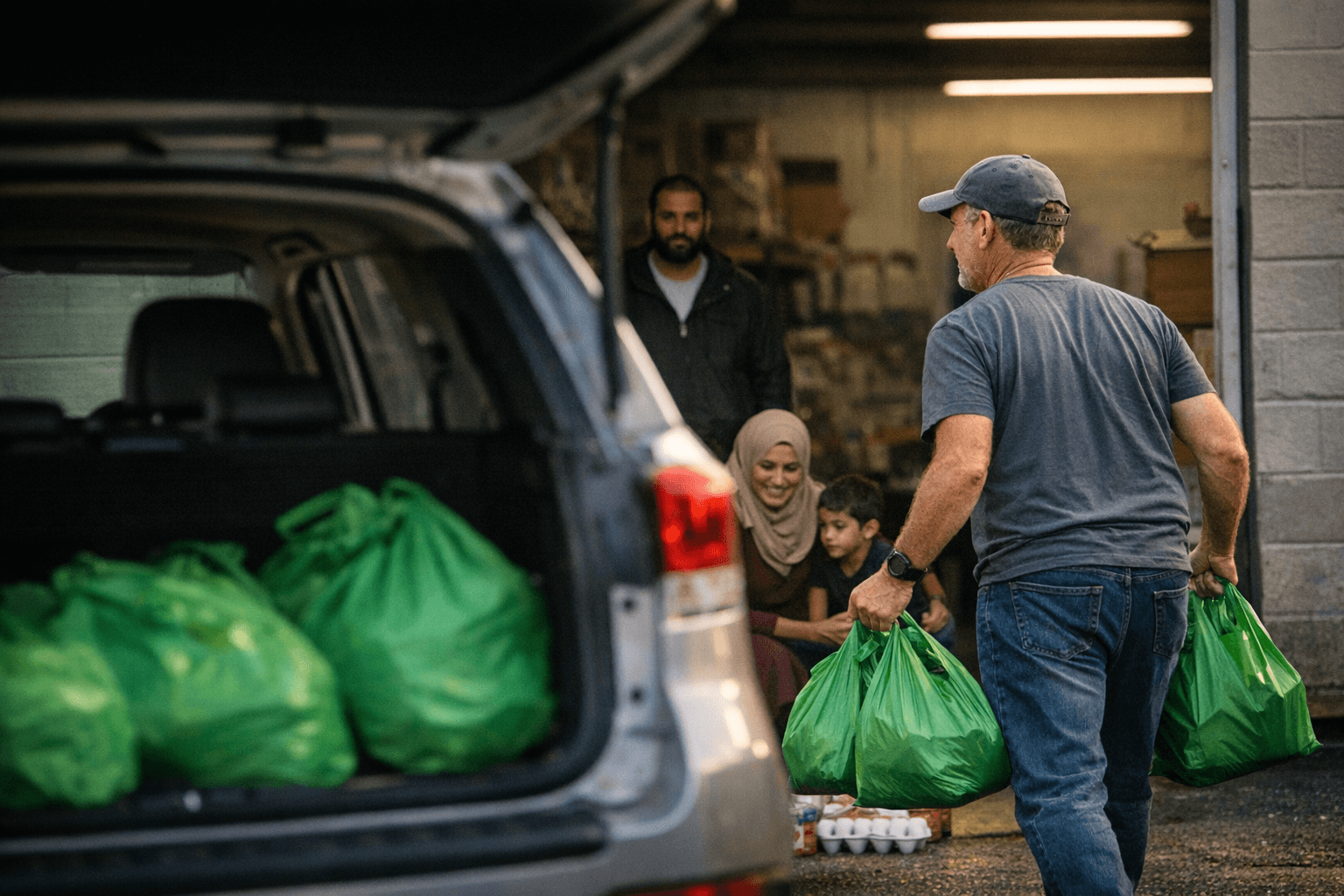
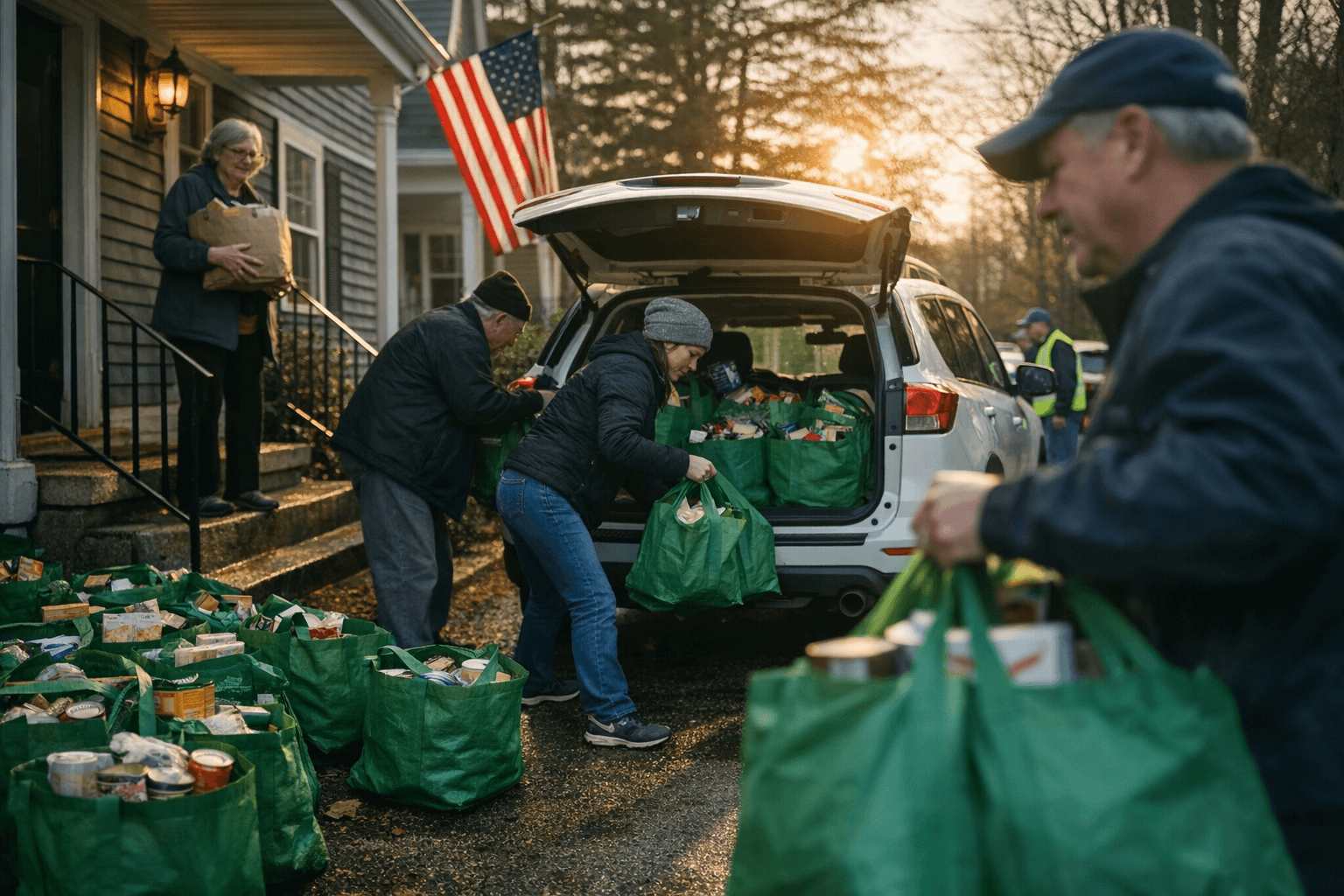
What began with six families in Arlington has become a routine that moves about 50,000 pounds of nonperishable food and personal items a year, with an estimated value of $150,000. The scale is not built on one big drive or a seasonal surge. It comes from a simple habit repeated on a fixed schedule: shoppers place extra items in a cool red bag, and on the second Saturday of even-numbered months a volunteer picks it up and leaves a replacement.
That detail matters because it shows why the chapter works as a supply chain instead of a one-off charity effort. The donor does not have to change how they shop, and the volunteer does not have to improvise a new route every month. The program’s growth from six families in 2015 to 650 donors and 100 volunteers by 2022 shows how predictable logistics can create durable participation when the ask stays small and the cadence stays steady.
Why the pickup rhythm keeps donors coming back
For a food donation program, retention often depends less on fundraising language than on whether the routine is easy to remember and easy to repeat. Arlington’s model uses a simple exchange: fill the red bag, set it out, receive an empty one in return. That one-step loop reduces friction for donors and gives coordinators a stable operating pattern to staff, route and monitor.
The second-Saturday schedule in even-numbered months also does something important for the people managing the chapter. It creates a calendar that volunteers can plan around, which helps with recruitment and retention in a setting where reliability matters more than flash. In practice, that means the chapter can keep a volunteer base of 100 people engaged because the work is structured, repetitive and visible, not random or overwhelming.
The result is a program that looks small from the street but functions like a neighborhood inventory system. Each bag picked up is another unit in a predictable flow, and that consistency is what makes the chapter durable enough to grow.
A model built to scale beyond one pantry
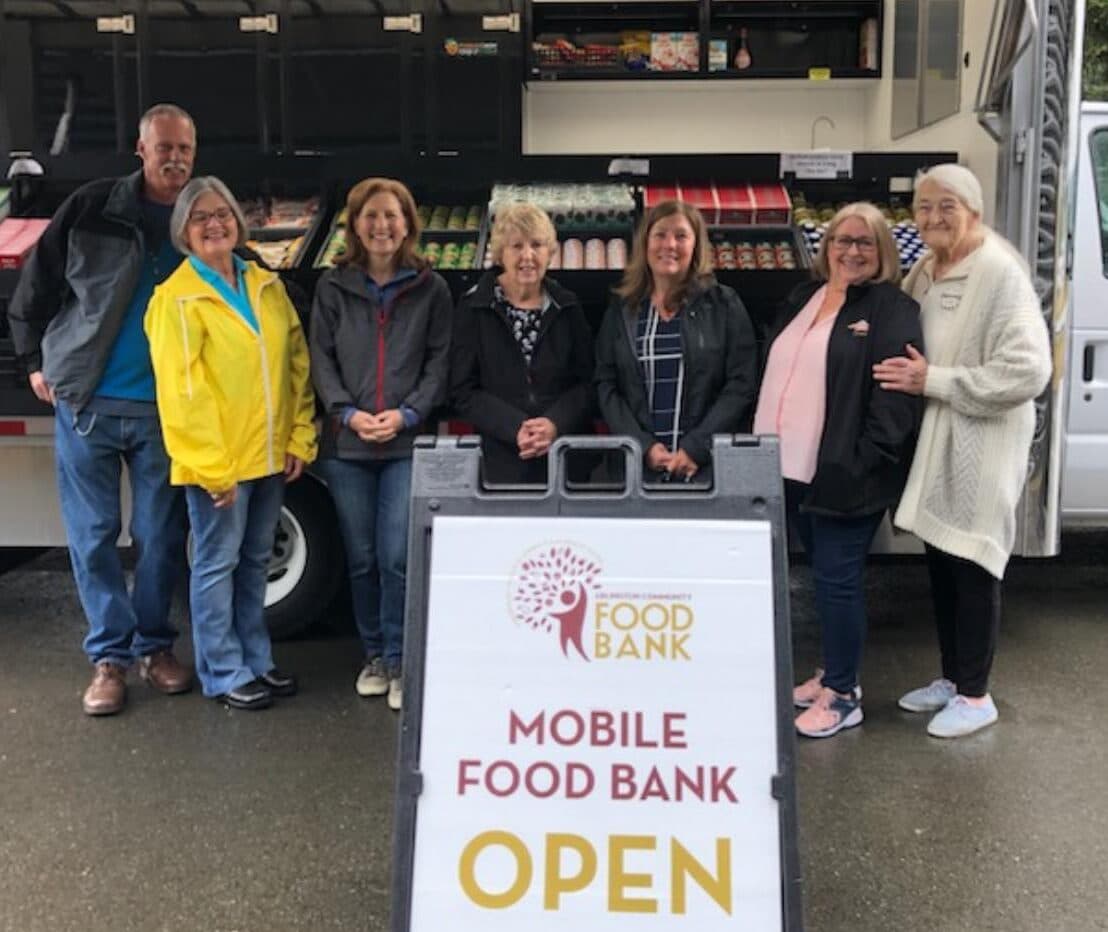
Arlington’s version of A Simple Gesture is only one piece of a larger food-access network. The food bank also links the program to KidSmart, which provides free supplemental meals in partnership with Arlington School District, and to the Mobile Market, a refrigerated pantry designed for people who cannot easily reach the main food bank.
That broader setup matters to staff and volunteers because it shows where the chapter fits operationally. A Simple Gesture collects household donations, KidSmart supports children through school-connected meals, and the Mobile Market extends access to apartment communities and other sites. Together, they form a layered response to hunger rather than a single distribution point.

The Mobile Market serves places including The Villas at Lakewood, The Vintage Apartments and Cedar Pointe Apartments, and it runs on a bi-weekly schedule. That structure mirrors the same logic as the red-bag pickup program: meet people where they are, keep the cadence regular, and make access predictable enough that families can plan around it. For a food bank, that is not just a service model. It is an operations model.
How partnerships turned access into infrastructure
The Mobile Market did not appear because one organization decided to do more. It was developed with Arlington High School students, the City of Arlington, SMARTCAP and Pivotal Construction, which tells you how much coordination this kind of work takes. According to reporting from The Herald, the board approved the plan in early 2020, Arlington High School students became the first fundraising engine and raised more than $19,000 during the pandemic, and the city contributed $60,000 in American Rescue Plan Act funds. SMARTCAP and Pivotal Construction each added $10,000.
That funding stack is worth attention because it shows the mechanics behind a local anti-hunger project that actually sticks. The students supplied early momentum, the city brought public dollars, and the private partners helped close the gap. In a workplace sense, that is the difference between a good idea and a functioning asset: one group opens the door, another group finances the equipment, and the food bank turns it into service.
The Mobile Market was also described as a way to make food access easier for people in the Stilly Valley. That framing is important because it shows the chapter is not just solving a pantry problem. It is solving a transportation and access problem, which is often where food insecurity becomes hardest to manage. A refrigerated mobile pantry lets the food bank reach apartment complexes and other locations without forcing every household to travel to a central site.
What the Arlington chapter shows about durable nonprofit operations
Arlington is a useful case study because it reveals how a neighborhood program can become infrastructure when the work is repeatable and the partners are aligned. The red-bag pickup system builds recurring donor behavior. The volunteer schedule creates operational stability. The Mobile Market expands reach to people who might otherwise miss the main pantry. Each part supports the others.
That same logic appears in A Simple Gesture’s broader history. The organization says the template began in 2011, founded by Jonathan and Karen in Paradise, California, before the Guilford County, North Carolina, nonprofit was established in 2015. By December 2025, the Guilford County chapter said it had more than 3,900 recurring food donors, 200 monthly volunteers, 75-plus pantry partners, over 8,000,000 child-size meals donated and $13,000,000 in donated-food value. Those numbers do more than show reach. They show that the model has been repeatable across places, with local chapters adapting the same operating logic to their own networks.
For Arlington, the lesson is plain: a durable food-rescue system is not built on big announcements. It is built on pickup routes that people remember, volunteers who know their role, donors who can keep participating without extra work and partnerships that turn a simple porch collection into year-round access. That is what makes the chapter look less like a campaign and more like a supply chain.
Know something we missed? Have a correction or additional information?
Submit a Tip