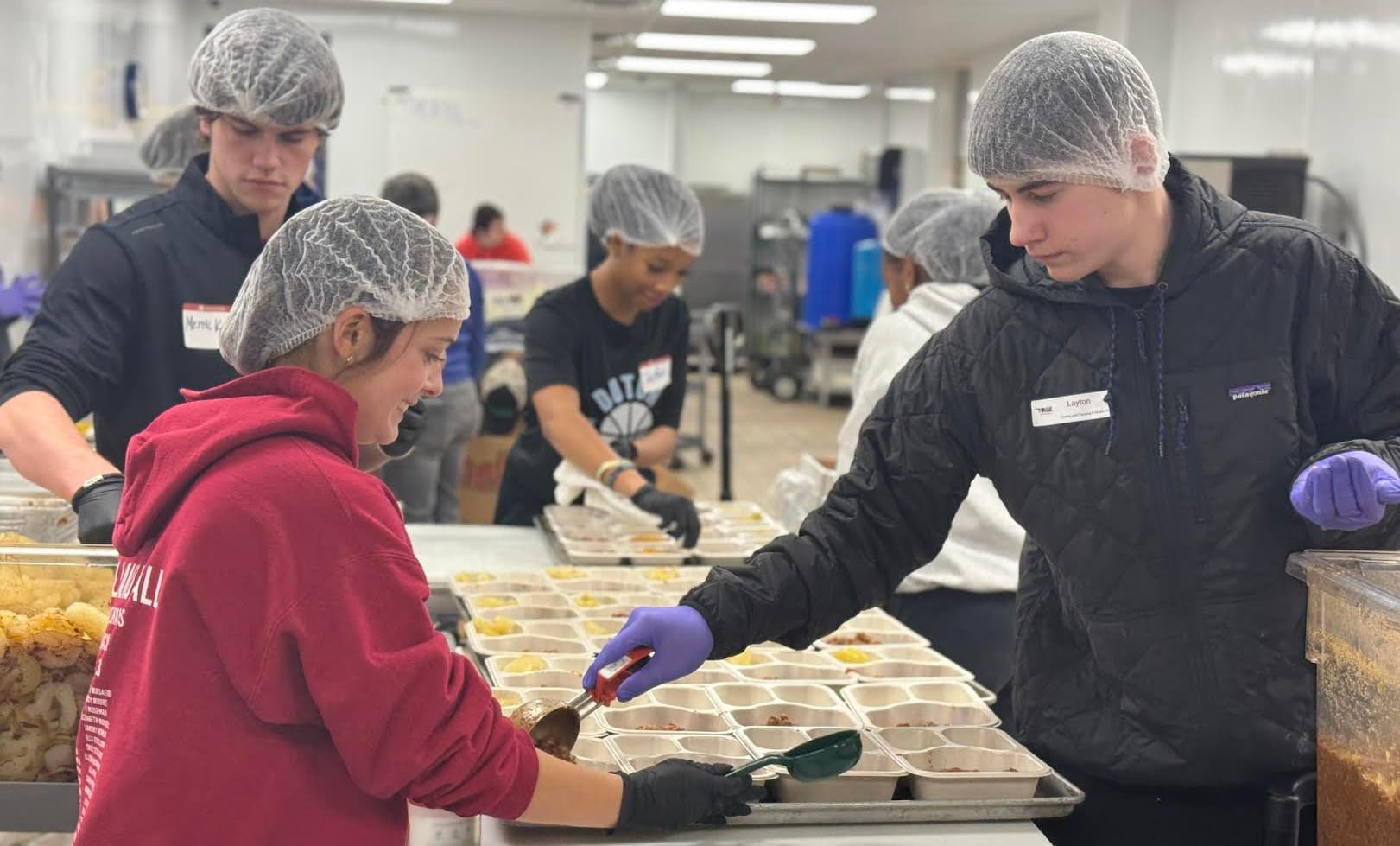
A Simple Gesture Adopts Practical Hiring Guide to Boost Diversity and Retention
Learn practical, low-cost hiring and onboarding tactics A Simple Gesture can use to widen candidate pools, reduce bias, and convert hires into long-term staff.

A Simple Gesture can boost diversity and retention by adopting targeted, practical hiring practices that remove barriers, source talent in new places, reduce selection bias, and close the loop with strong onboarding and growth pathways. The following numbered guide lays out concrete steps and tactics your small nonprofit can implement quickly, with attention to how each change affects workers and workplace dynamics.
1. Remove unnecessary barriers in job requirements
Organizations often gate out strong candidates by insisting on credentials that aren’t essential. Strip degree-only requirements when the job depends on demonstrable skills or lived experience; replace degree language with specific skill, experience, or competency requirements (e.g., “experience managing volunteers” or “proficiency with Google Workspace”). This widens the applicant pool and signals to underrepresented candidates that nontraditional backgrounds are welcome, which increases workplace diversity and brings new perspectives into day-to-day operations. For workers, hiring on skill rather than diploma reduces credential inflation and can create a more meritocratic culture where performance matters.
2. Write inclusive job descriptions
Craft job descriptions that foreground mission, impact, and the concrete outcomes a hire will own rather than a laundry list of preferred traits. Use plain language, limit “required” items to essentials, and include statements about your commitment to equity and accommodations. Inclusive copy and clear expectations lower anxiety for applicants from nontraditional paths and improve self-selection, leading to better job fit and fewer early departures. Inclusive descriptions also set tone: they communicate values to existing staff and help attract teammates who align with your organizational culture.
3. Expand recruitment beyond mainstream job boards
Move past generalized boards and cultivate pipelines in places where underrepresented candidates already engage: community organizations, affinity groups, local colleges, workforce development programs, and volunteer networks. Build relationships with partner groups, post on niche boards, and tap staff and volunteer referrals with explicit incentives for diverse candidates. Proactively sourcing diversifies candidate flow and reduces time-to-fill for critical roles, while also strengthening community ties and credibility among the populations you serve. For workers, this means new colleagues who bring varied networks and community knowledge that can improve program design and outreach.
4. Use blind resume review and standardized interviews to reduce bias
Implement blind review processes that redact names, addresses, graduation dates, and other identity markers when screening early-stage applications. Pair that with structured interview guides and standardized scoring rubrics so every candidate is evaluated on the same criteria. These practices reduce unconscious bias, create fairer comparisons across candidates, and increase confidence that hires are selected for relevant competencies. For workplace dynamics, standardized evaluations promote perceived fairness, lower grievance risk, and help managers justify hiring decisions to teams and funders.
5. Track outcomes and iterate on hiring processes
Set simple, actionable metrics, applicant diversity by source, interview-to-offer conversion, time-to-fill, and early retention (90- and 180-day rates), and review them quarterly. Use these data to spot where diversity leaks in your funnel (e.g., many applicants but few interviews) and test targeted fixes (rewrite job postings, change sourcing, adjust screening). Iteration builds institutional learning and allows staff to see progress, which boosts morale and trust in HR practices. Transparent tracking also supports accountability with boards and funders that prioritize equitable hiring outcomes.
6. Align hiring messages to mission and organizational values
Prominently link job ads and interview conversations to A Simple Gesture’s mission and the real impact the role will have. Candidates motivated by mission are likelier to stay, and aligning expectations early reduces churn caused by mismatch. During interviews and onboarding, articulate values-based behaviors you expect on the job; embed those behaviors in performance reviews. For current staff, bringing in mission-fit colleagues reinforces culture and reduces friction that can arise when new hires lack clarity about why the work matters.
7. Follow through: onboarding, professional development, and clear growth pathways
Convert hires into long-term employees by investing in a structured onboarding plan, early check-ins, and accessible professional development. Create a 30-60-90 day checklist that combines operational training, relationship-building with key stakeholders, and a first small-impact project. Offer mentorship, role-specific training budgets, and transparent career ladders or pathways so employees can see how to grow within your organization. These practices increase retention, reduce recruitment costs over time, and make workloads sustainable for small teams by distributing knowledge and responsibility.
8. Practical checklists and tactics for small-staff nonprofits and volunteer-heavy organizations
Small organizations need low-cost, high-leverage tools. Use lightweight applicant tracking (shared spreadsheets or affordable ATS), standardized templates for job posts and interview guides, and reusable onboarding packets. For volunteer-heavy programs, convert high-performing volunteers into staff by creating paid apprenticeship roles, stipends, or part-time positions with clear evaluation criteria. Leverage cross-training to cover capacity gaps and set explicit expectations to prevent burnout. These tactics let small teams scale hiring fairness without adding bureaucratic overhead.
- Low-cost tools: shared Google Sheets ATS, standardized scorecards, templated job ads
- Volunteer conversion: defined apprenticeship timelines, performance milestones, and budgeting for stipends
- Recruitment partners: local workforce programs, affinity groups, alumni networks, community boards
Closing practical wisdom Start with one or two changes, rewriting a job description and adding a standardized interview guide, and measure their effect before broad rollout. Small, consistent fixes compound: clearer postings attract better matches, fairer screening reduces turnover, and better onboarding turns hires into contributors. For A Simple Gesture and similar nonprofits, hiring is both a recruitment challenge and a culture-building lever; use it intentionally to shape the workplace you want to keep.
Know something we missed? Have a correction or additional information?
Submit a Tip