A Simple Gesture grows membership pantry model, expands statewide
A membership pantry turns hunger relief into a grocery-like club, and Food Club Network’s statewide expansion shows why choice and repeatable operations matter.
A pantry that behaves like a club
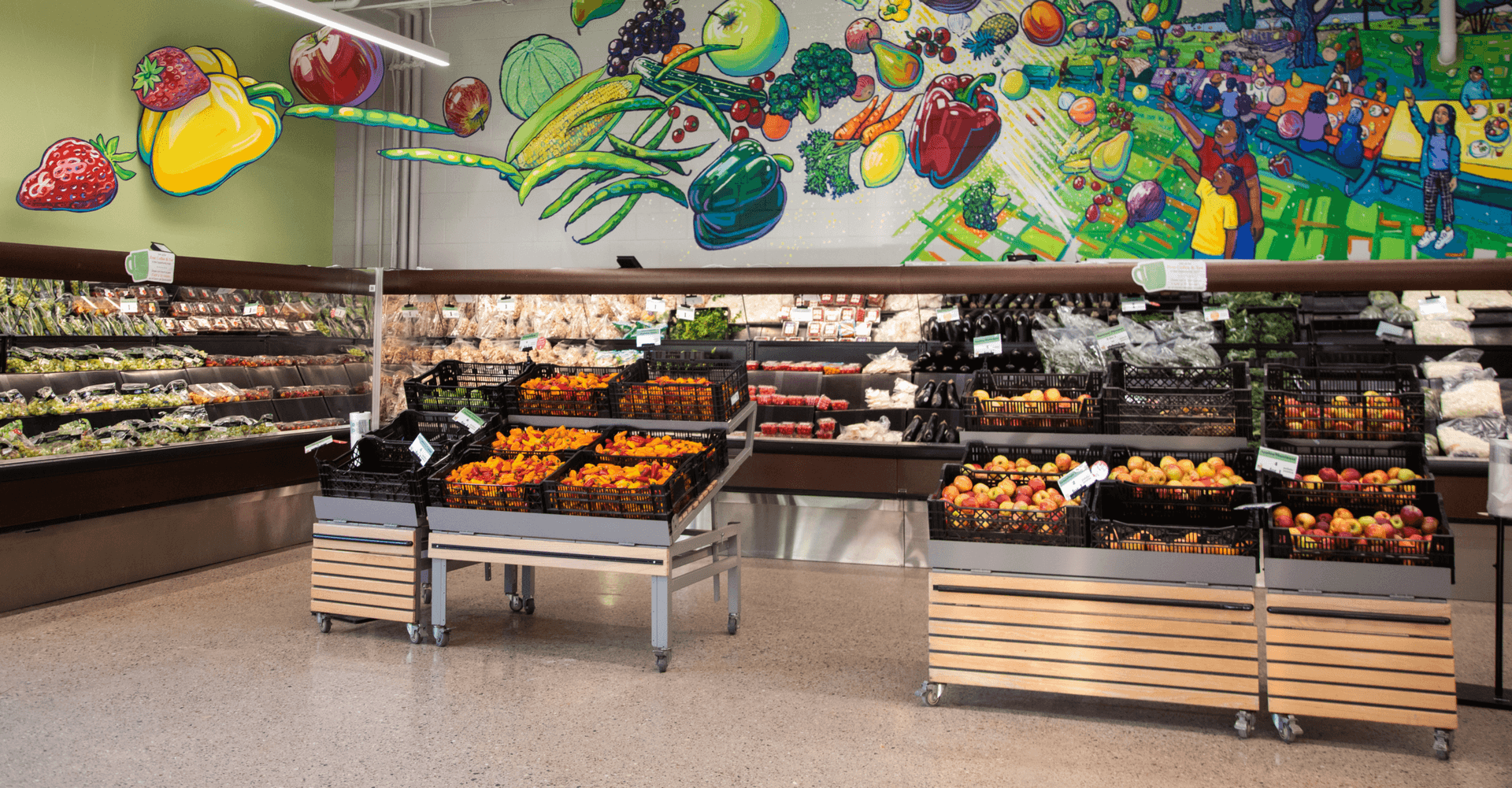
Food Club Network in Michigan is challenging the standard pantry model by refusing the language of charity. People are not called clients or neighbors. They are members, paying about $12 to $18 for a 30-day membership that lets them shop as often as they want until they use up their points, usually enough to take home about ten days of food. The experience is built to resemble grocery shopping, not a one-time distribution line, and that difference goes straight to how the system feels in the room.
Why the language changes the work
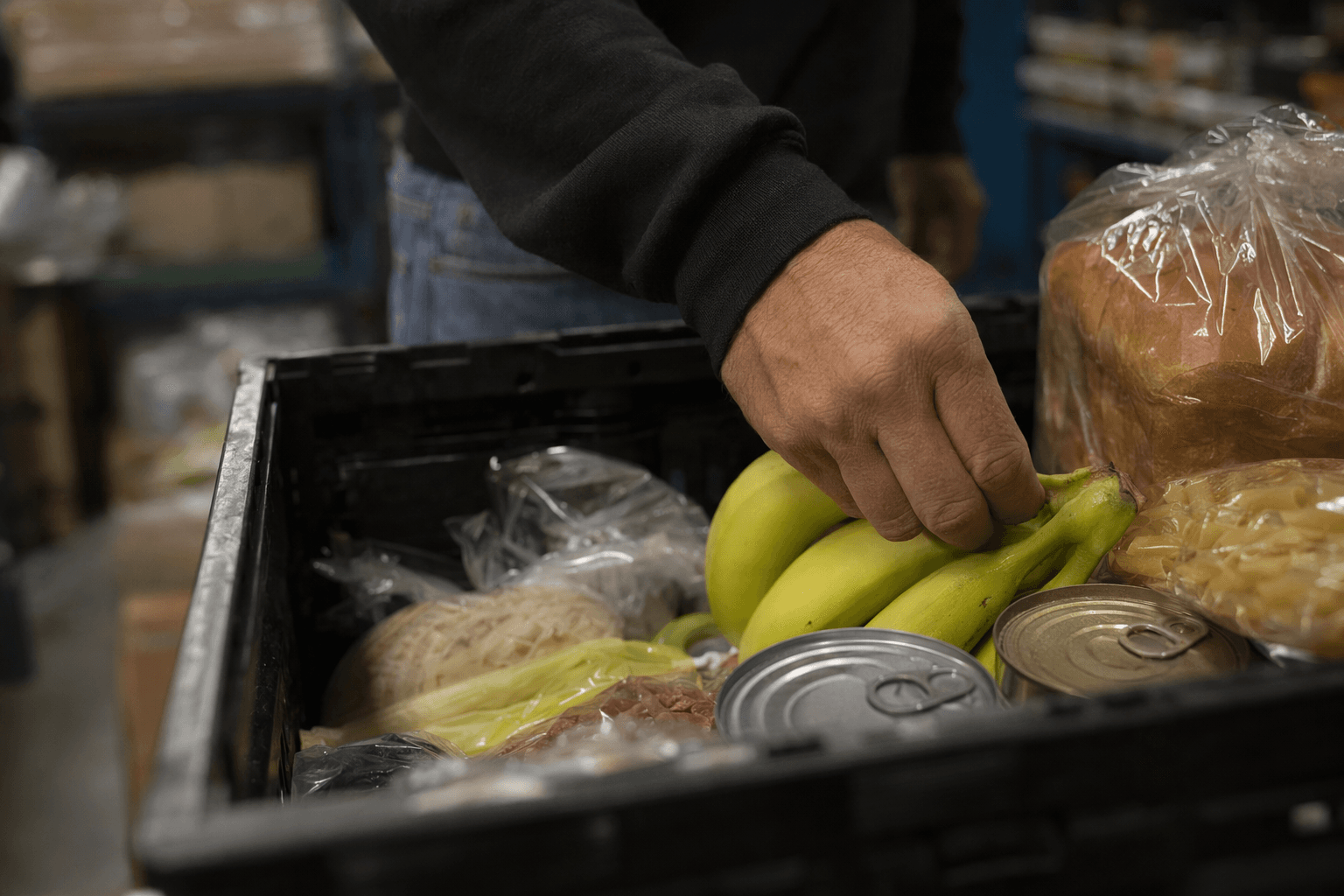
That membership framing is more than branding. Food Club Network describes itself as a platform for mutual learning, leverage, and advocacy, with access “with dignity” at the center of the model. Its leaders say the point is to help families who live paycheck to paycheck get fresh food while keeping a say in how the market-style shops run. The result is a pantry design that treats choice as part of the service, not a bonus added after the fact.
For staff, that changes the operating logic. Inventory is not just about volume, it is about what members will actually select. Food Club Network says fruits and vegetables are in heavy demand because they require the fewest points, while processed and snack foods cost more. That kind of structure does two jobs at once: it nudges healthier eating and gives the organization a clearer read on what shoppers want, which is a very different feedback loop from prepacked bags moving out the door.
Scale is turning the model into a system
The network is no longer a small experiment tucked inside one community. After roughly a decade, it has grown from its first location to two more and is now adding a fourth site while bringing on Lura Barber as its Founding Executive Director. Her job is to help grow the number of food clubs and coordinate them into a statewide organization, which is a major shift from an incubated project to a formal network with shared rules and shared infrastructure.
That shift matters because scale is often where food programs fail. Food Club Network says it served more than 11,000 households and distributed nearly 5 million pounds of food last year. Barber says the model has been proven, and that the organization wants to use ten years of data and best practices to support new food clubs. In other words, this is not a one-off storefront with a clever name. It is an operating model being built to repeat.
Why outside partners are interested
Health care organizations are paying attention because the model makes it easier to connect food access with nutrition goals. Food Club Network says healthy foods are prioritized, and leaders say the network gives partners one front door to multiple communities, which is useful for systems that want to invest in work that scales beyond a single county. That single-entry point is part of the appeal: it reduces the friction for partners while still letting each local club serve its own members.
The funding picture matters too. The network says Michigan Health Endowment help made Barber’s hire possible, which signals that this model is attracting the kind of support that often follows programs with measurable outcomes and a clear path to expansion. That is a useful signal for any nonprofit trying to persuade funders that dignity and efficiency are not opposing goals.
What A Simple Gesture can take from this
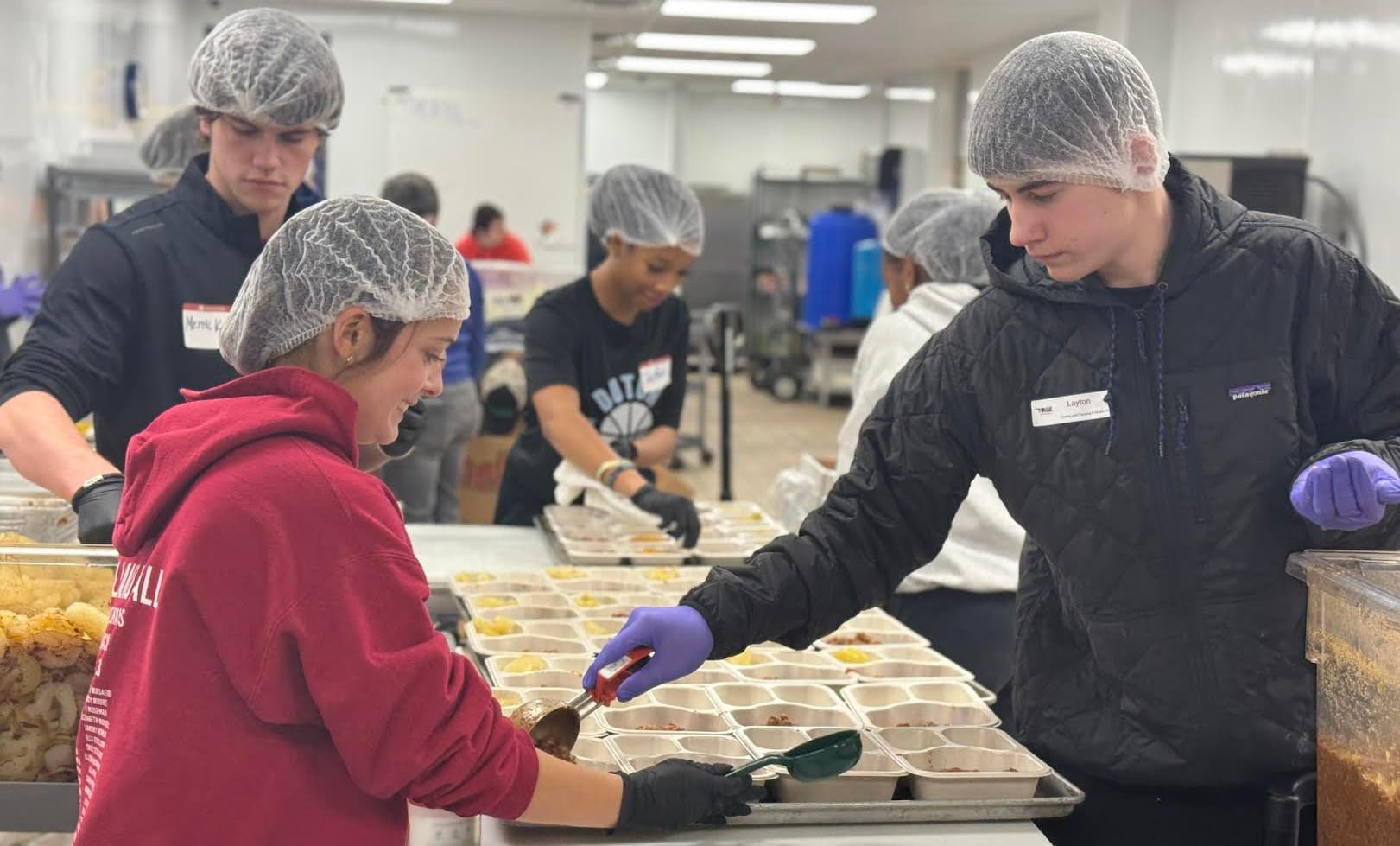
A Simple Gesture already knows how much the mechanics matter. Since 2015, the Guilford County nonprofit has used doorstep pickups, volunteer drivers, corporate pickups, and timely food recovery pickups to make donating easy. Its site points volunteers to a registration page and an events calendar that includes the Green Bag schedule, a reminder that this work runs on routing, timing, and reliable volunteer coverage, not just mission language.
The organization’s own scale shows why those systems matter. A Simple Gesture says it works with more than 75 pantry partners, has 3,900-plus recurring food donors, and relies on about 200 monthly volunteers, all while supporting a sustainable supply of food for local pantries, nonprofits, and school-based SHARE programming. That is already a complex logistics network, and it is why the Food Club lesson lands so clearly for ASG staff: the way a program is designed shapes who can use it, who keeps showing up, and how much dignity the system preserves on the way through.
The larger lesson
The strongest takeaway from Food Club Network’s growth is that hunger relief is not just about moving food. It is about deciding whether people are recipients of a distribution system or members of a service with rules, choice, and repeat access. The membership model changes client experience, inventory strategy, and partner interest all at once, which is why it looks less like a branding twist and more like a different operating theory, one that other local food-recovery networks can study, adapt, and in some cases scale.
Know something we missed? Have a correction or additional information?
Submit a Tip