A Simple Gesture improves volunteer coordination to scale hunger relief
Volunteer systems, not one-off drives, let A Simple Gesture move food from doorsteps to pantry partners. Clear routes, training, and retention keep the green-bag model working.
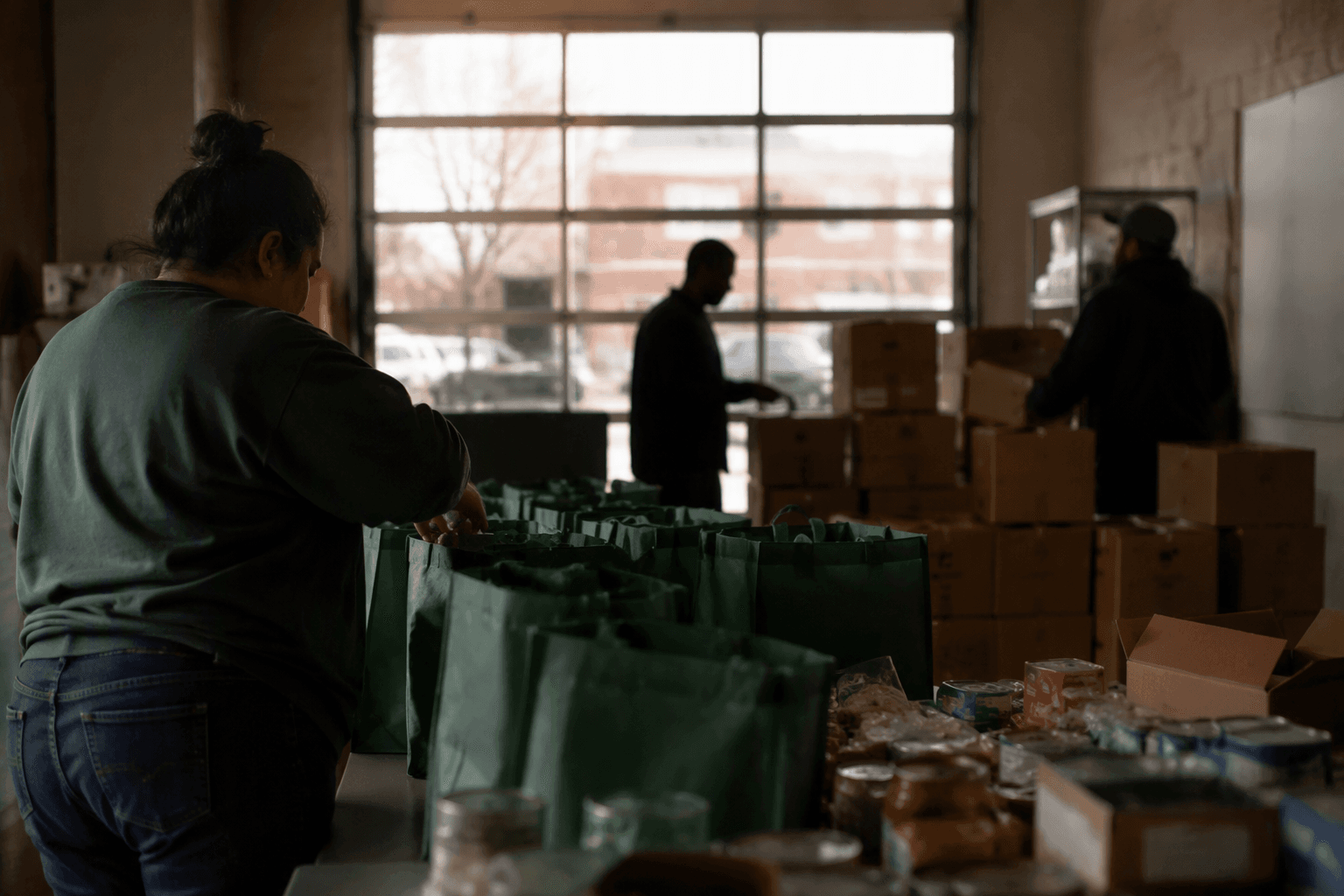
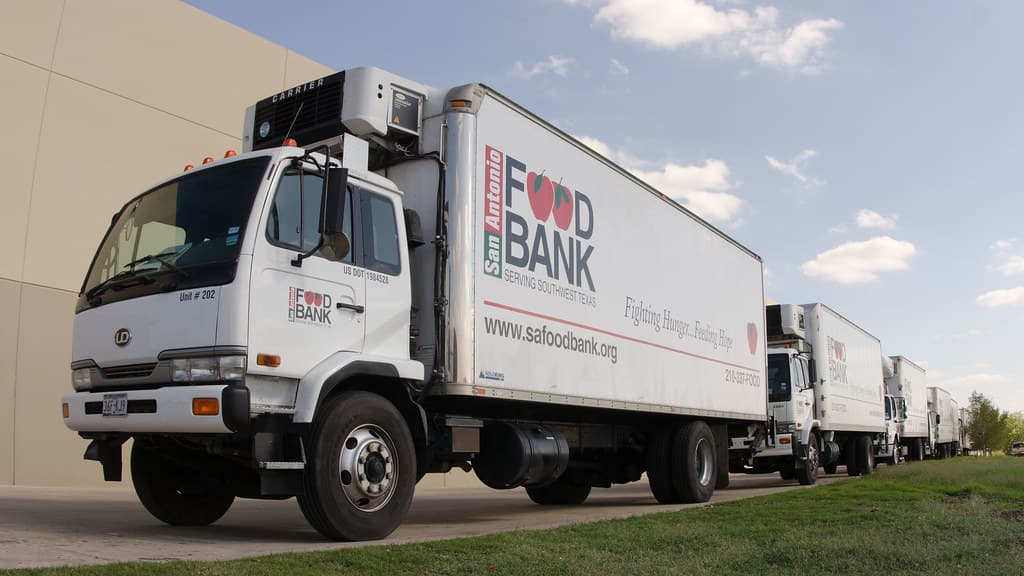
In Guilford County, A Simple Gesture runs food donations through green bag pickups, food recovery, food distribution, and food-access tools. The same system that moves a doorstep bag to a pantry partner also keeps one-day volunteer events from turning into a scramble.
Build the volunteer system around the work
Bloomerang’s volunteer-management framework treats recruitment, onboarding, scheduling, training, safety, communication, recognition, and retention as one operating system. At A Simple Gesture, the organization’s support menu is wider than a single shift. People can make a monetary gift, volunteer, donate food, shop registries, spread the word about how to find food, or host a food drive.
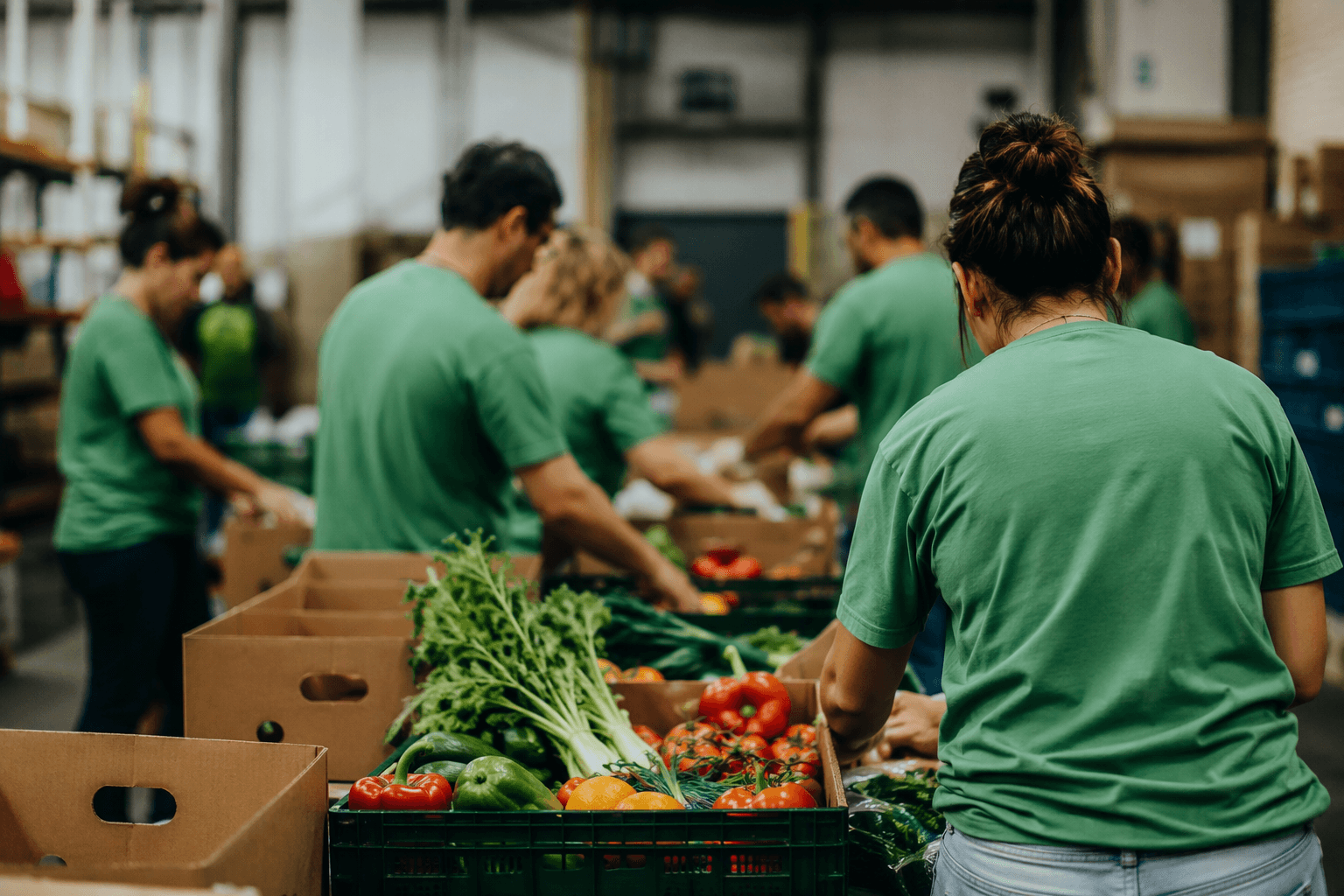
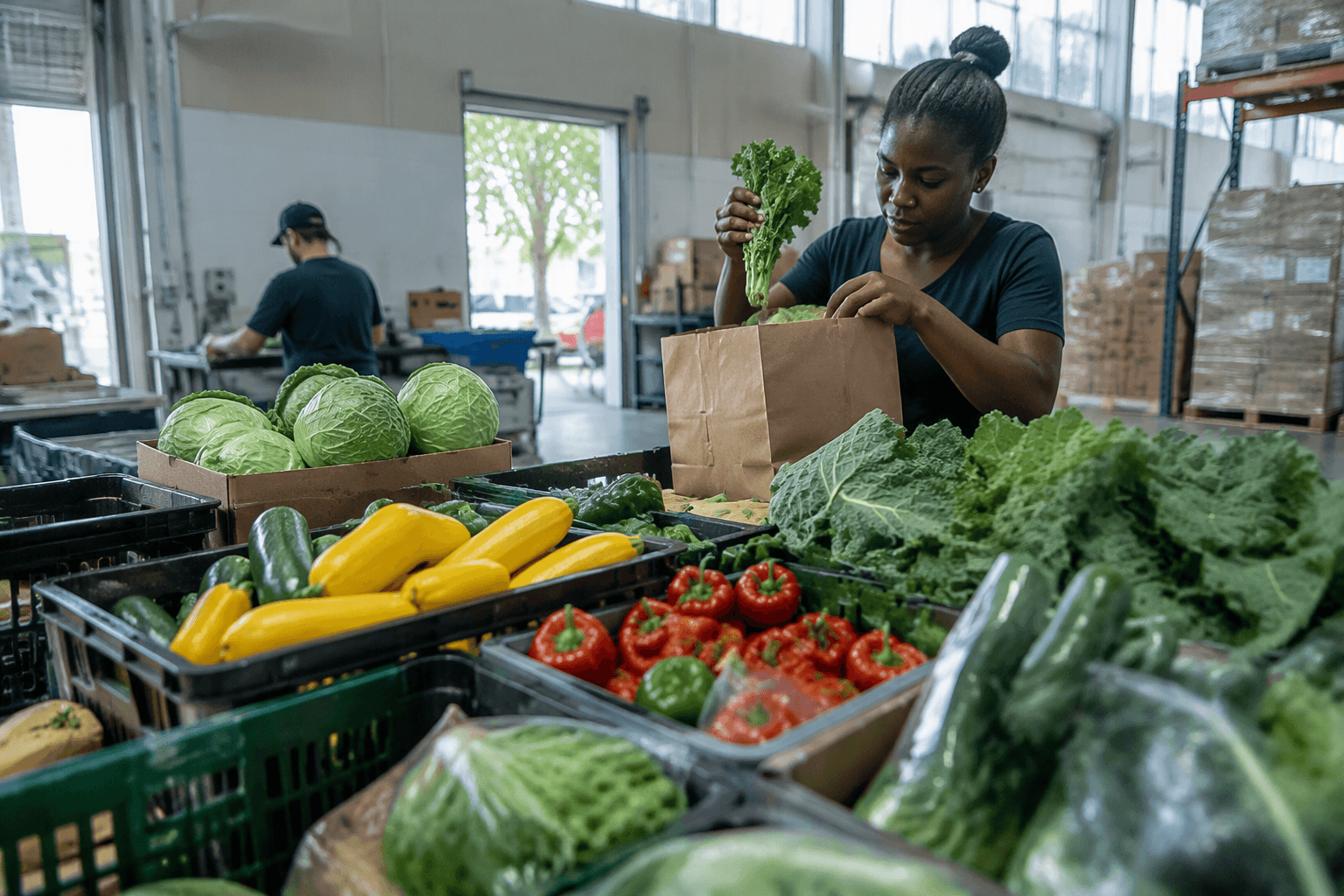
The Green Bag Food Donor program is built around doorstep giving, which means every volunteer touchpoint has to support a donor-to-distribution pipeline, not just a warehouse count. A Simple Gesture’s site also organizes work into specific program areas, including the Green Bag Food Donor program, food recovery, and food distribution and food-access tools.
Recruit for the kind of help the job actually needs
A Simple Gesture’s model needs both steady route volunteers and short-term helpers, and those roles should not be designed the same way. A recurring pickup volunteer needs route maps, backup contacts, and a clear understanding of when to call if a bag is missing or a schedule changes. A corporate team, faith group, student group, or one-time helper can contribute too, but the assignment has to be smaller, faster to learn, and easier to complete in one session.
For workplace volunteer leads who organize employee service days, a shift that involves green bag pickups or pantry support should be built around a specific task, a defined time window, and a clean handoff back to staff. The more closely the assignment matches the volunteer’s time and experience, the less likely the day is to end with confusion or a no-show.
Make onboarding match the task
The program started in 2011, when Jonathan Trivers launched it in Paradise, California, after retiring and looking for a way to give back to his community. The green-bag model only works when every new helper learns the same basics.
Onboarding should cover what the green bag is, how food is recovered, where it goes next, and who handles questions when a route or pantry handoff shifts. That is especially important in a food-recovery operation where volunteers may be moving between doorstep pickups, sorting, and distribution support. Clear training reduces the amount of judgment staff have to improvise on the spot, and that protects both safety and speed.
Schedule around routes, not around hope
A Reston update dated Nov. 29, 2020 projected 61 volunteers would fan out across Northern Virginia to pick up 1,300 bags of food that weekend. When a few dozen volunteers are covering more than a thousand bags, route boundaries, timing, and backup coverage have to be set before the weekend starts.
In Guilford County, green bag donors donated 369,637 pounds of nonperishable food in the prior year.
Use communication to keep staff out of crisis mode
Mission-based operations often put staff in the role of dispatcher, trainer, and troubleshooter at once. Standardized route sheets, backup contacts, and simple communication rules keep a volunteer no-show from becoming a staff crisis. That matters at A Simple Gesture because the organization’s work spans pickup routes, recovery, distribution, and food-access outreach, so one missed handoff can ripple through more than one program.
If the volunteer lead knows who is assigned, who is on backup, and who to notify when a bag count changes, the work stays repeatable.
Treat retention as operational capacity
Volunteer retention is not a feel-good side project in hunger relief, because every repeat helper reduces the amount of last-minute coordination staff have to absorb. The Massachusetts Service Alliance directly empowered 6,495 volunteers in fiscal 2022, who contributed 96,130 hours valued at an estimated $2,782,355. West Side Campaign Against Hunger says its volunteers donate over 32,000 hours annually to help serve over 100,000 New Yorkers.
Fast follow-up, accurate scheduling, and clear backup contacts tell volunteers that their time was used well. In a food-recovery setting, that kind of experience is what turns a one-time helper into a repeat volunteer who can be counted on for the next route, the next pantry shift, or the next community drive.
Scale through partnerships and measured volume
In 2025, A Simple Gesture received a $50,000 grant to grow Green Bag Recovery, Food Recovery, and the SHARE program, with Backpack Beginnings serving as a home base in the Triad. The organization is not only collecting donations but building a network that can move food from doorsteps to partners across Greensboro, High Point, and the broader Triad.
This article was produced by Prism’s automated news system from verified source data, official records, and press releases, then run through automated quality and moderation checks before publishing. The system is built and supervised by the people who set the standards it runs under. Read our full AI policy.
Did this article answer your question?