A Simple Gesture Shares Safety and Ergonomics Guide for Doorstep Food Collection Volunteers
Picking up 15-20 filled green bags per route is a real physical job. Here's what every A Simple Gesture volunteer needs to know about lifting safely, avoiding falls, and protecting their body across a full pickup morning.
The physical reality of a green bag pickup route
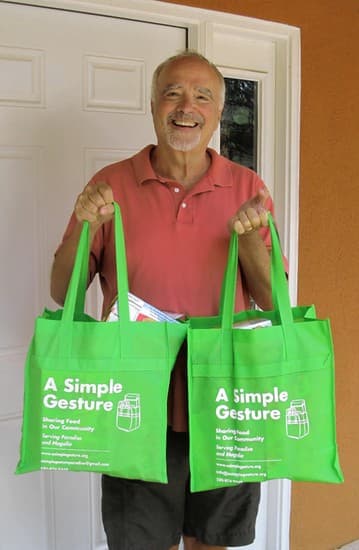
Drivers are asked to pick up about 20 bags in or near their neighborhood every other month and deliver the food to an assigned food pantry. That sounds manageable on paper. But here's what it adds up to in practice: bags average around 15 pounds consistently, and bags need to handle at least 40 pounds when donors pack them generously. Twenty stops means twenty individual lifts, twenty approaches to unfamiliar front porches, and at least one drop-off at a pantry. Done poorly, a single route can quietly rack up the kind of repetitive stress that lands a volunteer on the sideline. Done well, it's a safe, efficient Saturday morning that keeps your best drivers coming back every other month.
This guide exists to make the latter the norm for every A Simple Gesture chapter.
Before you leave the house: preparation and vehicle loading
The risk management for a green bag route starts before the car leaves the driveway. Before lifting heavy objects, decide how you will lift, carry, and place the item before you pick it up, and test the weight of the load by moving or tipping it first. Chapters that assign drivers to routes near their own neighborhoods have an ergonomic advantage here: routes work best when logistics include separate lists for each driver showing address, phone, and notes on unique home landmarks, and drivers are best suited working in their own neighborhoods. Familiarity with the terrain reduces surprise. A volunteer who already knows which donors have long front walks, steep driveways, or steps at the porch will pace themselves accordingly before they even get out of the car.
Load your vehicle with cargo space cleared before the route begins. A cluttered trunk forces awkward reaching and twisting at every stop. Keep any empty replacement bags accessible so you're not digging past filled ones while holding a heavy load.
Lifting technique: the mechanics that protect your back
Back injuries account for one in five workplace injuries, and 75% of workplace-related back injuries occur during a lifting task. For volunteers doing repetitive lifts across a full route, the cumulative risk is real. The good news: proper form eliminates most of it.
The core principles are consistent across occupational health research:
- Squat, don't bend. Never bend forward to lift a heavy object. Instead, squat, secure the load, and stand by straightening your legs while keeping your back straight or slightly arched.
- Use your legs, not your back. By lifting with your large, strong leg muscles instead of the small muscles of the back, you can prevent back injuries and reduce low back pain.
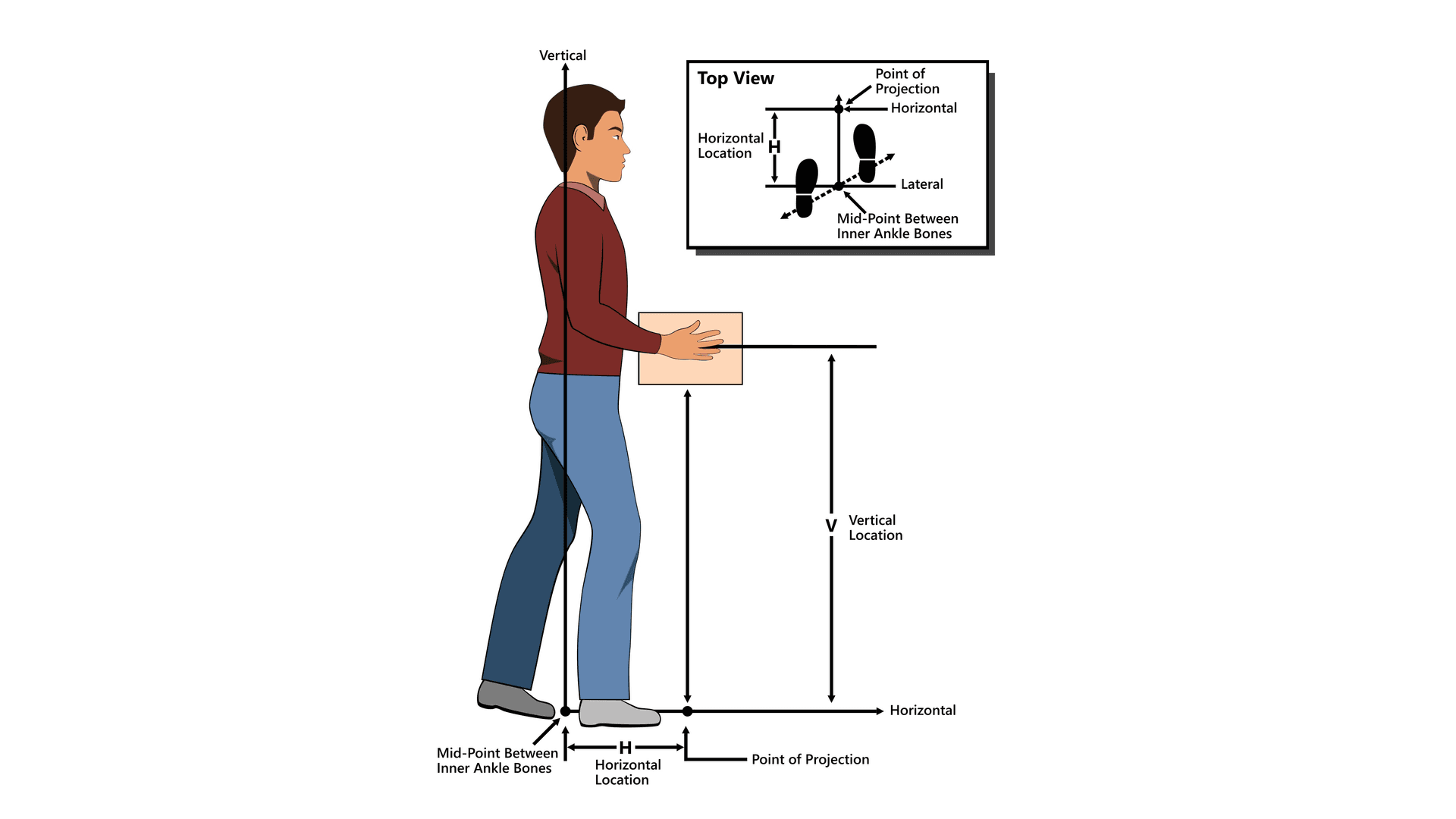
- Keep the load close. Holding a 20-pound object with your hands 20 inches from your body creates more compressive force on your lower back than holding it 10 inches away, because the muscles in your back have to work to counterbalance the weight when it is farther from the body.
- Pivot, don't twist. Turn with your feet, not your back. The spine isn't built for twisting from side to side.
- Lift smoothly. Raise, carry, and lower the load smoothly. Never try to pick up or lower a load too fast.
One often-overlooked risk: setting a bag down is just as dangerous as picking it up. Setting down a heavy object is just as dangerous as picking it up. Reverse the lifting process, following the same ergonomic principles: keep the load close to your body and your back straight or slightly arched.
Lifting the same 20 pounds from the floor more than doubles the amount of force on your lower back compared with lifting from waist height. When possible, ask donors to leave bags on a step, bench, or porch ledge rather than flat on the ground. This small adjustment across 20 stops meaningfully reduces cumulative spinal load by the end of a route.
Repetition and fatigue: pacing across a full route
A single correct lift is not the goal. Twenty correct lifts in a row, across a two-hour route, is. The most dangerous lifting tasks are repetitive and sustained. You need to monitor your exertion level and take breaks. Stop before you become too tired to lift safely.
Lifting and carrying loads can be hard work. Like athletes, workers can avoid injuries or discomfort by preparing the body for work. Muscles generate more force when warm and full of oxygen, and stretching and moving around prior to work helps pump blood into your muscles. Arriving at your first stop without any warm-up, then immediately hoisting a 30-pound bag out of a deep porch box, is the scenario most likely to produce a strain.
Performing periodic stretches can minimize accumulation of fatigue throughout the day. If you notice your form degrading mid-route, that's the signal to pause, set the bag down, reset your stance, and lift again deliberately. Coordinators scheduling routes should account for this: figure a driver for each 10 donors to keep the driving process manageable. Route density matters not just for time, but for physical sustainability.
Navigating doorsteps, driveways, and uneven surfaces
The specific hazard profile of a doorstep pickup route is different from a warehouse or pantry. Every stop is a different, uncontrolled surface: concrete steps, brick paths, gravel driveways, wet grass, icy stoops in winter months. Be aware of the surface conditions you are walking on, and take extra caution on uneven or gravel surfaces.
Before picking up a bag from any doorstep, take two seconds to assess the approach. The surrounding environment should allow for proper footing and be free of potential tripping hazards before you attempt a lift. Carrying loads that block line of sight is a leading human factor in slips, trips, and falls, so when you're walking a filled bag back to the car, make sure the bag isn't obscuring your view of the path ahead.
Footwear is a decision you make before leaving the house that shapes the entire route. Shoes with slip-resistant soles can help improve traction on wet or slick surfaces, and on a route covering dozens of residential properties in varied weather conditions, that traction is not trivial. Closed-toe athletic shoes or work sneakers with good grip are the baseline. Open-toe shoes, sandals, and worn-sole sneakers have no place on a pickup route.
Coordinators can reduce hazards proactively by communicating with donors before pickup day. Remind drivers to call two to three days before pickup and ask about anything unusual about the bag location, including whether there are steps, a steep drive, or a wet surface to navigate. A note in the driver's route list that says "bag at top of six steps, no railing" is a simple risk-reduction tool.
When the bag is too heavy to lift alone
Donors pack with enthusiasm. Occasionally, a bag will exceed what any single volunteer should attempt to lift unassisted. While the majority of lifting injuries result from improper technique, some are simply the result of trying to lift a load that is too heavy. Individuals should know how much they can safely lift, and if an object seems too heavy, ask for help.
This is exactly why it's great to take a friend or the entire family on a pickup route and why the program design actively supports it. A volunteer with a helper can handle an unexpectedly heavy bag safely, exchange the replacement bag quickly, and keep the route moving. If one person cannot lift or move a heavy or awkward object safely, organize a team lift. Team lifting reduces the risk of injury, reduces fatigue, and makes the task much easier.
When doing a team lift, designate one person to call the movement: "lift on three" prevents the jerky, asynchronous effort that causes more harm than a solo lift done badly.
Driving safety and vehicle ergonomics
The car is part of the worksite. Volunteers spend time loading and unloading trunks, reaching into back seats, and making repeated stops and starts across a neighborhood. The ASG-helps app provides volunteer drivers with simple turn-by-turn directions taking them through their route and ending at the pantry or food bank, which removes the distraction of navigating by phone while managing bags. Use it.
When loading filled bags into a vehicle trunk, apply the same lifting principles used at the doorstep: keep your back straight, don't twist to lower the bag, and don't lean into a deep trunk with an outstretched arm. If your car has a low trunk lip, bending at the knees to set bags inside is far safer than bending at the waist repeatedly across 20 stops.
Stay hydrated by drinking water regularly, and take breaks as needed to rest and recharge. A full route on a warm Saturday morning is sustained physical activity, and volunteers who start fatigued or dehydrated make worse decisions about the loads they attempt.
Incident reporting and coordinator responsibilities
A safety culture at A Simple Gesture is not just about individual technique. It's about coordinators building the conditions for safe routes and acting quickly when something goes wrong.
Some volunteers hesitate to ask for help when handling heavy items or navigating difficult stops. Always prioritize safety and don't be afraid to ask for assistance. Coordinators should make this norm explicit during onboarding: reporting a bag that was too heavy, a tricky step, or a near-miss is useful operational information, not a complaint. It tells coordinators which donor locations need flagging for future routes.
Familiarizing yourself with the specific procedures of the organization you're volunteering with can save time and enhance safety. Each chapter may have its own guidelines regarding handling and route procedures. Chapter coordinators should ensure those guidelines exist in writing, cover the physical demands of the role explicitly, and are shared with new drivers before their first pickup, not discovered on the fly at the end of someone's driveway.
The volunteers who run these routes are the backbone of A Simple Gesture's ability to move food from donor porches to pantry shelves. Protecting them from preventable injury is how chapters sustain their programs, retain their best drivers, and keep the food moving.
This article was produced by Prism’s automated news system from verified source data, official records, and press releases, then run through automated quality and moderation checks before publishing. The system is built and supervised by the people who set the standards it runs under. Read our full AI policy.
Did this article answer your question?