A Simple Gesture shows how volunteer logistics build career skills
A Simple Gesture’s green-bag network is logistics work in disguise. The real value is a career bridge built on routing, timing, and problem-solving.

Logistics hidden in plain sight
The person who keeps a green-bag route moving is doing logistics, even if the badge says volunteer coordinator. At A Simple Gesture, the work looks like neighborly coordination on the surface, but the operational core is the same set of skills the U.S. Bureau of Labor Statistics associates with logisticians: analyzing a supply chain, keeping things on schedule, and handling problems before they knock the system off course.
That framing matters because food recovery is a logistics problem with human stakes. A Simple Gesture says the United States wastes 30% to 40% of the food it produces, which means every missed pickup, delayed handoff, or mismatched route can turn usable food into waste. Seen that way, the role is not casual help around the edges. It is the moving part that turns donated food into meals at the pantry door.
What the work actually requires
A Simple Gesture’s food recovery and green-bag programs rely on tasks that look a lot like entry-level logistics work. Volunteers are assigned specific pickup dates and routes, weekday drivers use a smartphone and a clean personal car, and the organization asks them to be able to lift 20-pound boxes and be at least 18 years old. In the Reston, Virginia, affiliate’s bi-monthly model, volunteers take food directly to pantries rather than storing or distributing it themselves, which keeps the chain short and the timing tight.
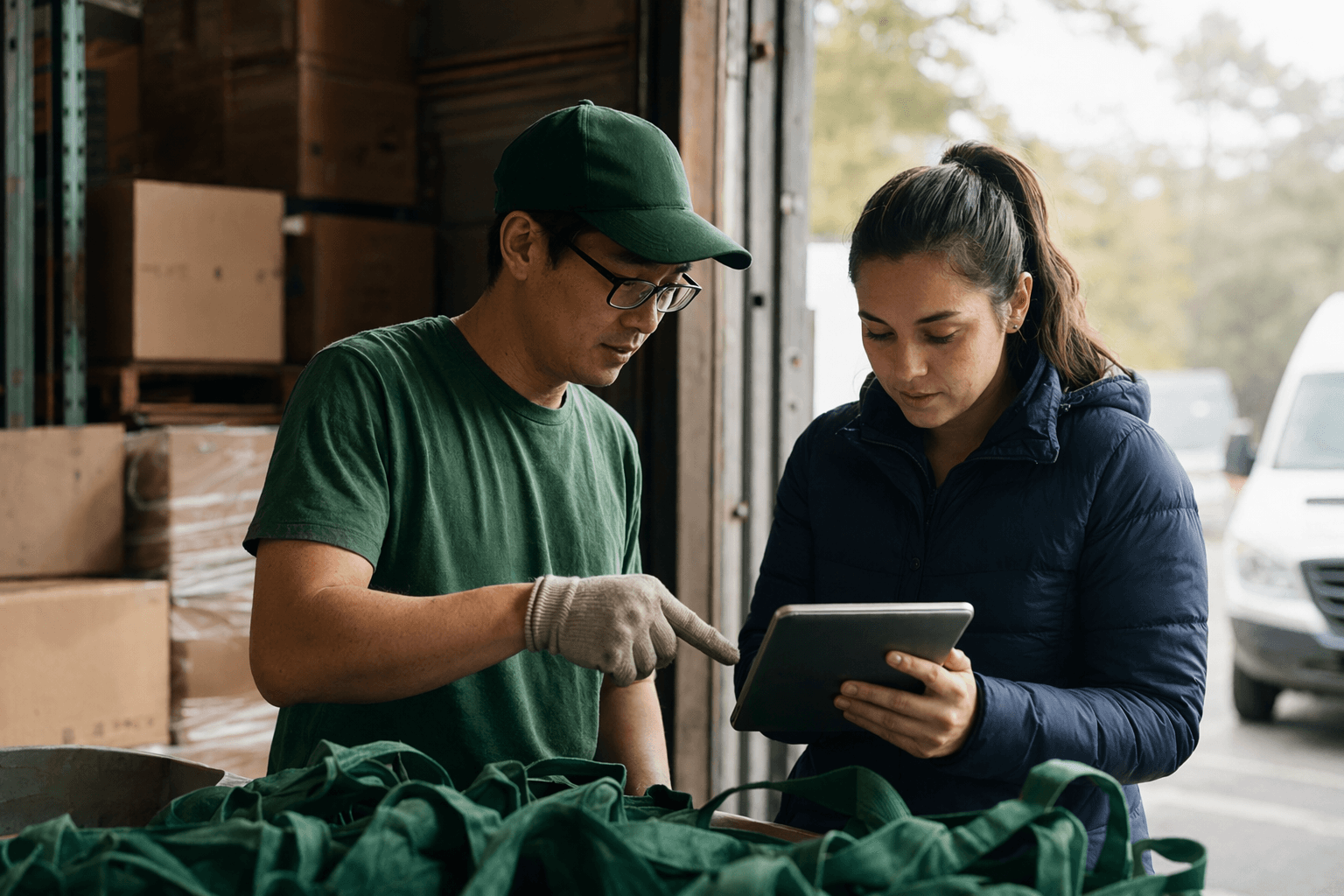
That is why the comparison to logisticians is useful. The hidden skills are not abstract. They are route planning, exception handling, timing, and supply balancing. A volunteer has to know when a bag is ready, when a pantry is open, where overflow can go, and how to adapt when a pickup changes at the last minute. In other words, the job depends on the same operational judgment that keeps a supply chain from getting stuck.
For A Simple Gesture, that also creates a practical language for managers. When the organization describes the work clearly, people can see that they are not just helping out. They are building transferable skills that matter in the broader labor market.
A neighborhood model that scales like a system
A Simple Gesture says it was started by Jonathan Trivers, who lives in Paradise, California, after he and his wife created a not-for-profit to support food banks and food pantries there. One affiliate page says the model launched in 2011 and has since been replicated by more than 70 chapters nationwide. That spread is not just a sign of generosity traveling well. It is evidence that the operating model is simple enough to copy, but structured enough to require real coordination.
Greensboro, North Carolina, shows what that looks like at the local level. Since 2015, the chapter says it has made donating food easy through regular collection programs, with more than 1,700 food donors and numerous volunteer drivers collecting over 132,000 pounds of food each year. In Guilford County, the scale is even clearer: as of December 2025, the mission-and-impact page says the operation was serving 75-plus pantry partners, 3,900-plus recurring food donors, and 200 monthly volunteers.

Those numbers matter because they reveal the job hidden inside the mission. A Simple Gesture says it has donated over 8,000,000 child-size meals and delivered food with a total value of $13,000,000 as of December 2025. That kind of throughput does not happen on enthusiasm alone. It requires a system that can absorb recurring donations, match them to pantry demand, and keep volunteers returning on schedule.
Why the role belongs in the career conversation
The Bureau of Labor Statistics gives the role of logisticians a familiar labor-market profile: most work full time, some work more than 40 hours a week, a bachelor’s degree is typically needed, median annual wage was $80,880 in May 2024, and employment is projected to grow 17% from 2024 to 2034, with about 26,400 openings per year on average. That is not a perfect one-to-one match for a nonprofit volunteer role, but it is the right comparison for the skills underneath it.
For A Simple Gesture, the value of that comparison is not just motivational. It helps with hiring, training, retention, and internal mobility. A volunteer who likes keeping a route clean, solving a pickup problem, or balancing supply across partners may already be practicing the habits that logistics employers look for. When the work is described as logistics instead of generic coordination, it becomes easier to see who is ready for more responsibility and what kind of development would help them get there.
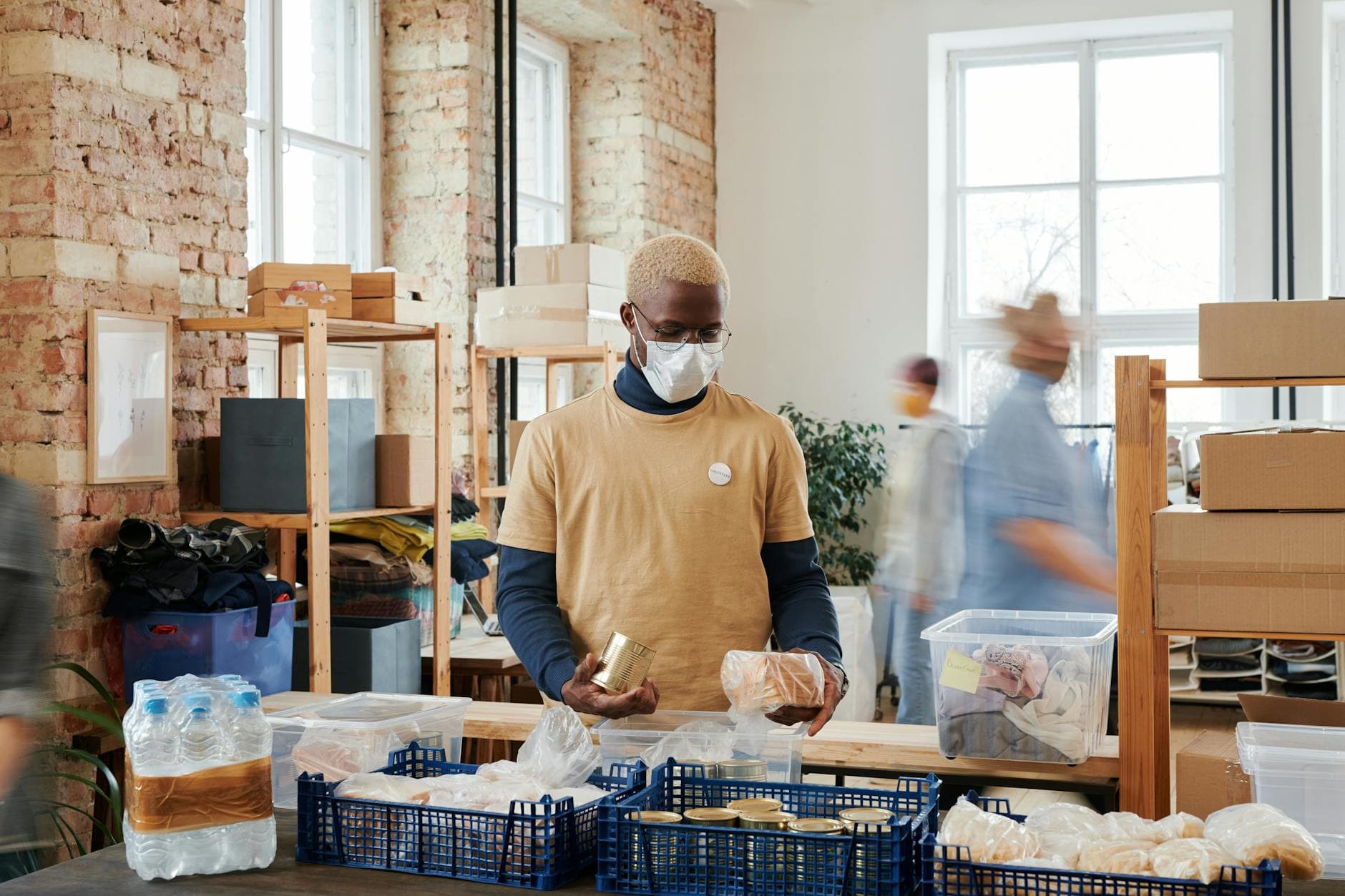
That matters in a sector where people often arrive through service rather than through a traditional supply-chain career path. If a coordinator learns how to keep pantry deliveries on time, juggle recurring donors, and respond when a route changes, that is career capital. The organization just has to treat it that way.
The next step is to manage the work like the operation it is
A Simple Gesture is also broadening the same model beyond neighborhood green bags. Recent reporting describes the organization using it for more complex food recovery streams, including surplus food from grocery stores, restaurants, caterers, corporate cafeterias, and schools. That expansion makes the logistics comparison even stronger, because each new source adds another layer of timing, transport, and coordination.
The lesson for food recovery groups is straightforward. The future of the work is not only more volunteers or more generosity. It is better logistics, better role definition, and a clearer bridge between civic service and career skills. A Simple Gesture already runs on that logic. The next step is making sure the people who keep the system moving are recognized for the operations work they are doing.
This article was produced by Prism’s automated news system from verified source data, official records, and press releases, then run through automated quality and moderation checks before publishing. The system is built and supervised by the people who set the standards it runs under. Read our full AI policy.
Did this article answer your question?