Food Rescue Hero says automation helps food recovery teams scale
Manual dispatch is becoming the growth bottleneck in food rescue, and A Simple Gesture’s Guilford County routes show why automation now matters.
Manual coordination works until it becomes the brake on growth. In food rescue, a missed text, a late pickup or an unclear handoff can waste donated food, slow matching between donors and pantries and burn out the coordinators trying to keep every route moving.
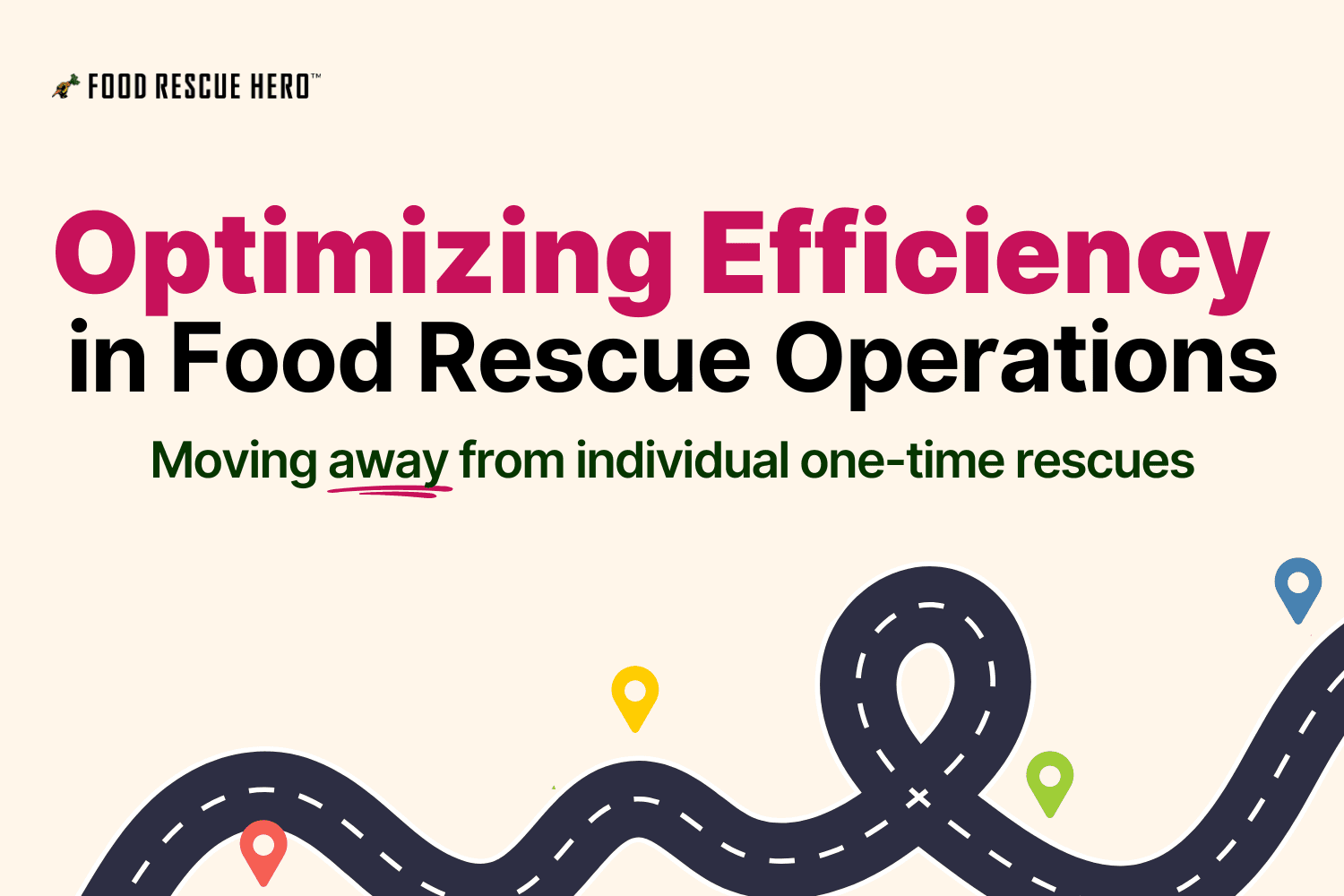
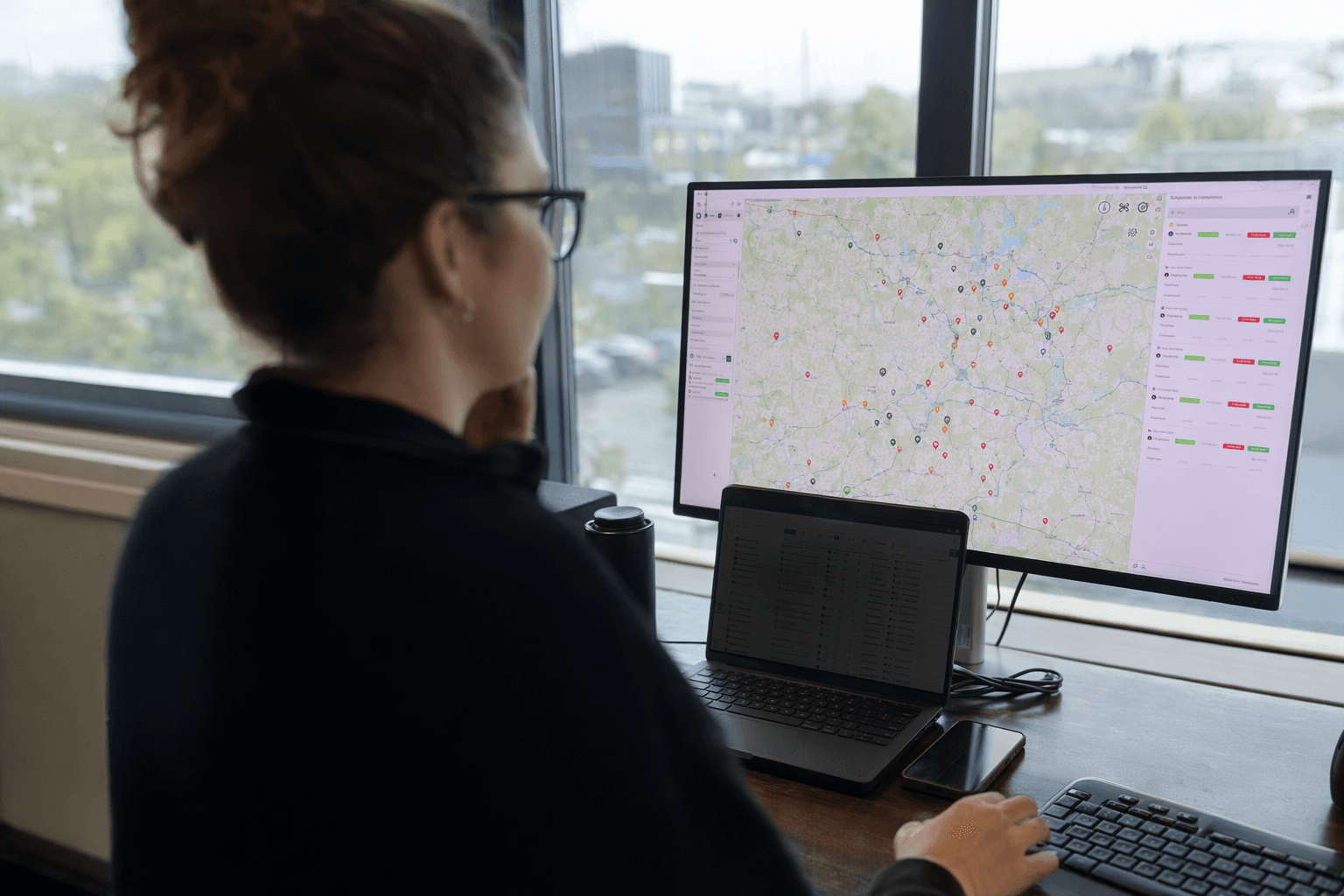
Food Rescue Hero’s argument is simple: dispatchers still matter, but apps, mapping tools and automation take the repetitive strain out of the job. The platform is built to streamline communication, automate recurring rescues, send push notifications, optimize routes and provide real-time tracking and reporting. The company says it can be operational within 30 to 60 days, a sign that food recovery teams do not need a long technology build to start cutting overhead.
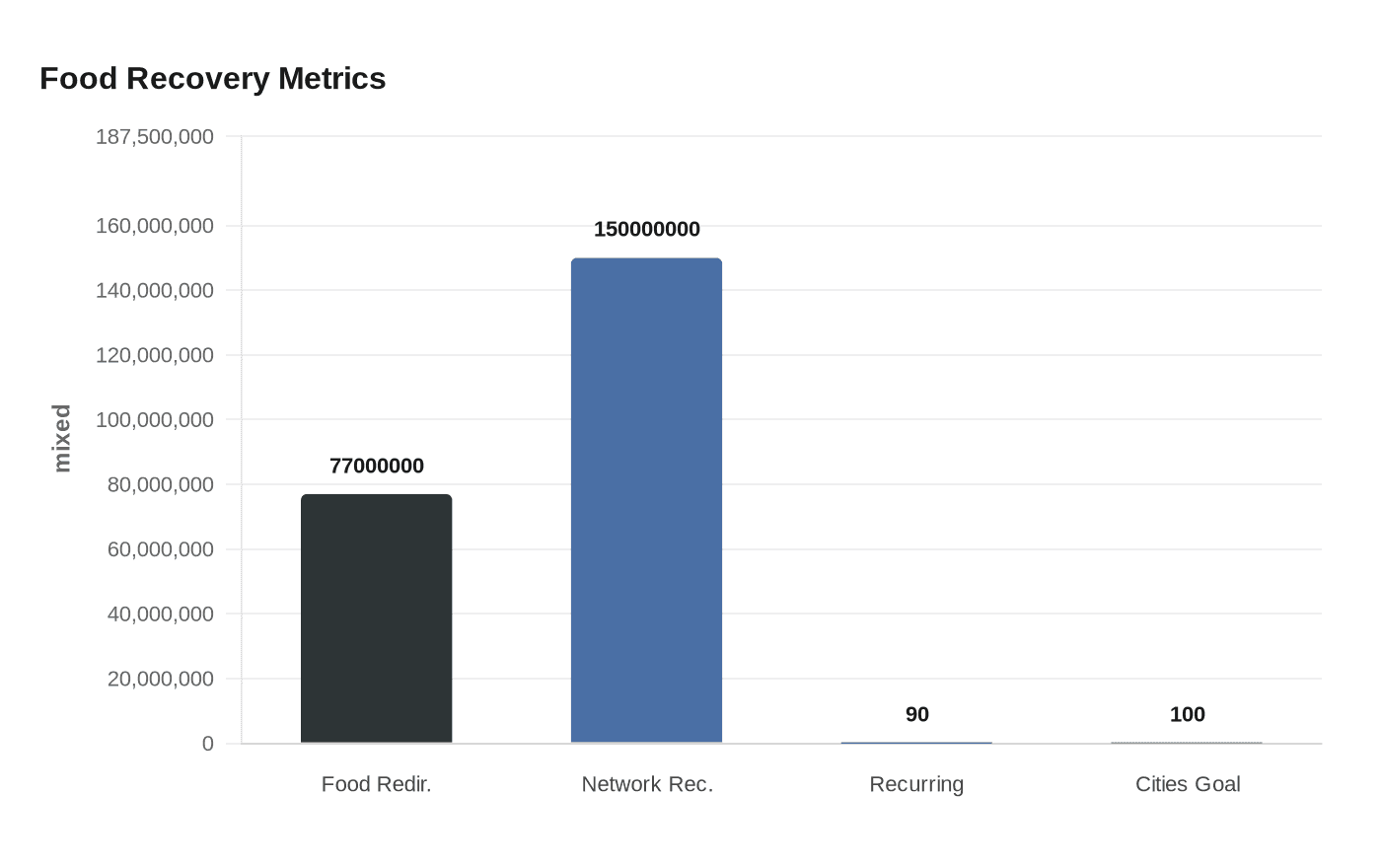
The scaling point is clearest in the numbers. Food Rescue Hero says 412 Food Rescue has redirected more than 77 million pounds of food since the app launched in 2016, and the broader network passed 150 million pounds recovered by May 18, 2023. It also says roughly 90% of 412 Food Rescue’s rescues are recurring, which matters because repeated pickups are far easier to schedule, monitor and expand than one-off rescues. The network says it is aiming to bring the technology to 100 cities by 2030.
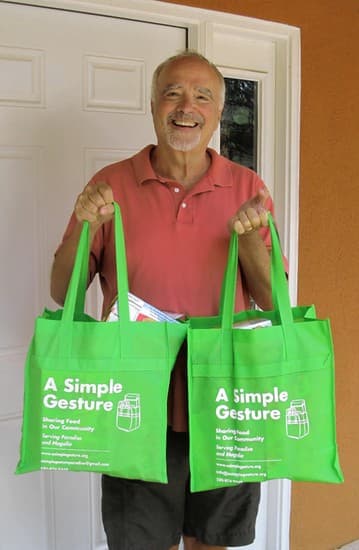
That is the part A Simple Gesture’s Guilford County operation should recognize immediately. The local chapter says its mission is to make giving to local food pantries and nonprofits as easy and convenient as possible through door-to-door pickups, corporate pickups and timely food recovery runs. As of December 2025, it reported more than 8,000,000 child-size meals donated, $13,000,000 in donated food value, 75-plus pantry partners, 3,900-plus recurring food donors and 200 monthly volunteers. The chapter says it became a 501(c)(3) nonprofit in 2015, building on the model Jonathan Trivers started in 2011.
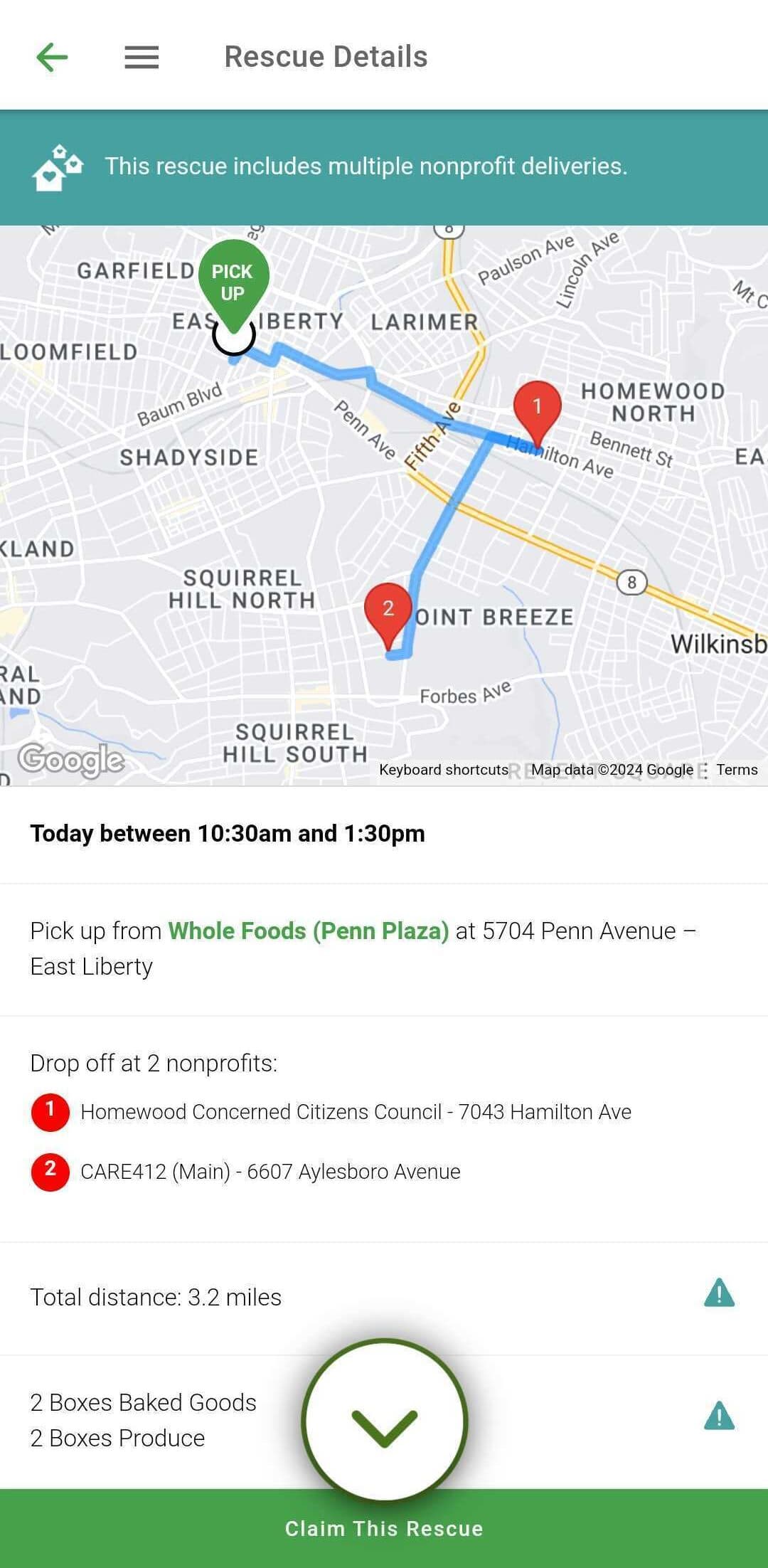
The operational strain shows up in the calendar. A Simple Gesture’s 2026 volunteer schedule breaks pickups into color-coded routes across Greensboro, High Point, East Greensboro, West Greensboro, Jamestown, Summerfield, Oak Ridge, Archdale, Trinity and Thomasville. That kind of geography is exactly where dispatch can become the constraint, especially when volunteers need clear instructions, backup coverage and fast notice when plans change.
Guilford County has already moved in that direction. In November 2025, county officials said they were holding regular calls with A Simple Gesture, Second Harvest Food Bank and other partners to assess needs and capacity, while gathering and analyzing data to guide resource allocation. The county also promoted the Greater Guilford Food Finder App for residents looking for pantry help.
Food rescue now runs on more than goodwill. The organizations that grow fastest are the ones that can keep donors, volunteers, pantries and data synchronized without adding layers of manual work every time the route map gets bigger.
This article was produced by Prism’s automated news system from verified source data, official records, and press releases, then run through automated quality and moderation checks before publishing. The system is built and supervised by the people who set the standards it runs under. Read our full AI policy.
Did this article answer your question?