A Simple Gesture’s SHARE program expands food recovery into schools
SHARE puts surplus school food back into student hands fast, turning unopened cafeteria items into on-campus support for hungry students in Guilford County.
How SHARE works on campus
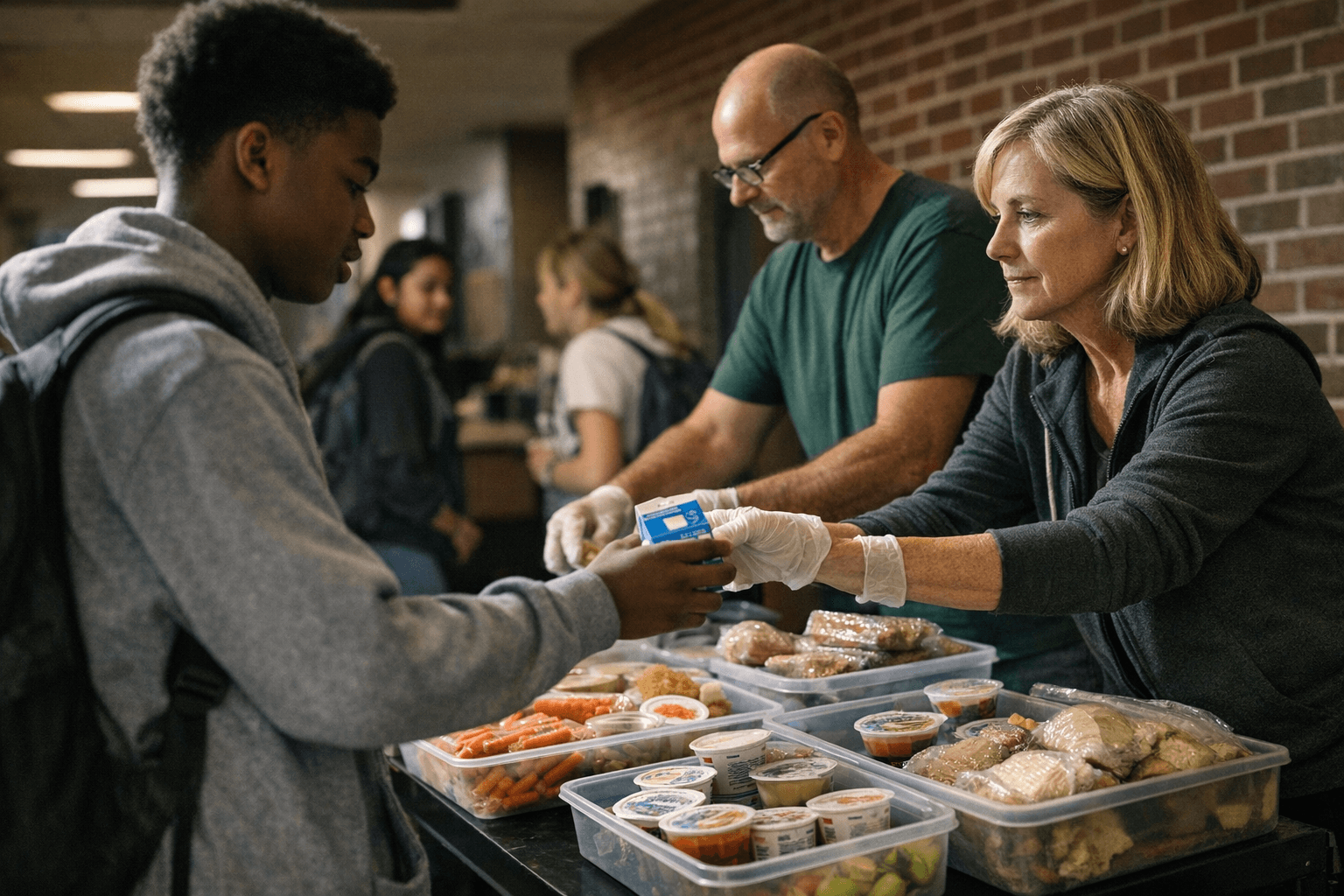
A Simple Gesture’s SHARE program turns a simple question into a school operations problem: how do you keep usable food on campus long enough for students to reach it, without creating stigma or extra waste? The answer in Guilford County Schools is a refrigerator placed at school, stocked with unopened, unwrapped food from the School Nutrition Program, and open to any student in that building during the day.
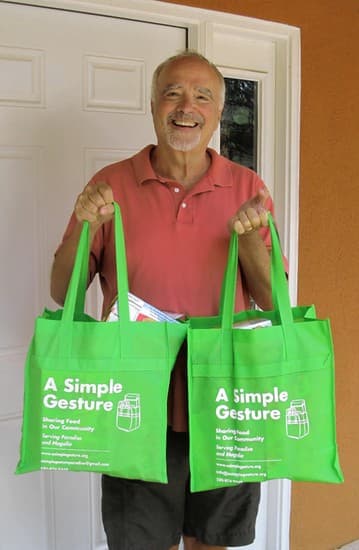
That makes SHARE different from the organization’s better-known green bag donation route. Instead of curbside pickups and pantry deliveries, this model depends on school-by-school coordination, food safety, and a clean handoff from nutrition staff to students. A Simple Gesture says the program exists to provide extra nutrition throughout the day, which puts it squarely inside the daily rhythm of school lunch service rather than outside it.
What problem it is solving
SHARE is aimed at a very specific gap in student meal support: food that is available, but not always accessible at the exact moment a student needs it. Guilford County’s food insecurity numbers show why that gap matters. The county’s overall food insecurity rate was 15.2% in 2023, and the child food insecurity rate reached 22.5%. Feeding America estimates that 82,510 residents and 27,110 children in the county were food insecure, with an annual food budget shortfall of $57,703,000 and an average meal cost of $3.69.
Guilford County Schools already serves thousands of breakfasts and lunches each year through its nutrition staff, but school-based hunger does not end when a tray is served. SHARE gives students another option later in the school day, when a child may need more food to get through class, aftercare, or the bus ride home. In a district where 67% of students qualify for free or reduced lunch, and more than 49,000 children qualify for free or reduced-price meal programs, that extra access is not a side benefit. It is part of the response.
Who coordinates the work
The program only works if school operations and food recovery stay tightly linked. A Simple Gesture partners with Guilford County Schools to place the refrigerators, and that partnership has to be dependable enough that staff can trust what goes in, how it is handled, and who can use it. The organization’s materials make clear that SHARE is not a passive drop-off system. It is relationship-driven, with FAQs and a program contact built into the structure, signaling that coordination matters as much as collection.
For A Simple Gesture staff and volunteers, that means the work behind SHARE looks different from the green bag program. The school model requires communication with district partners, attention to what counts as safe for redistribution, and a clear understanding of what is unopened and unwrapped. It also means the people managing the program are not just moving food. They are maintaining a reliable school partnership that has to function within the daily pace of education.
Why school-based recovery changes the equation
The strongest argument for SHARE is that it keeps food close to the point of need. A student does not have to wait for a pantry appointment, transportation, or a weekend distribution to get something to eat. If the fridge is in the building, the food is there during the school day, when hunger can interfere with learning, behavior, and focus.
That connection is why the program fits so closely with the broader anti-hunger network in Guilford County. A local profile quoted on A Simple Gesture’s team page summed up the logic plainly: “Kids who come to school hungry can’t learn.” The quote captures what SHARE is designed to do in practice. It is less about a slogan than about keeping students ready to stay in class, pay attention, and make it through the day.
How SHARE fits into A Simple Gesture’s larger system
A Simple Gesture has operated in Guilford County since 2015, and SHARE is one lane in a broader food recovery system that also includes the green bag donor program and food recovery for pantries and community meals. The organization says its mission is to engage the community to provide a sustainable supply of food to local food pantries, collect excess perishable food for local nonprofits and community meals, and support SHARE in Guilford County Schools.
That broader structure matters because SHARE is not replacing the rest of the network. It is extending it. Food that once might have moved from a school kitchen to waste now has a second life serving students on campus, while the green bag program and pantry partnerships continue feeding households and community organizations elsewhere in the county. In that sense, SHARE is not a standalone pilot. It is an operational extension of the same recovery mindset that has defined A Simple Gesture since its early years.
The scale behind the partnership
The numbers around A Simple Gesture show how deeply the organization is already embedded in Guilford County’s food system. As of December 2025, it reported more than 8,000,000 child-size meals donated, with a value of $13,000,000. It also reported 3,900-plus recurring food donors and 200 monthly volunteers. Since its inception, the group says it has collected more than 5 million pounds of food from roughly 5,000 donors and more than 100 local businesses.
That scale gives SHARE a practical advantage. A school fridge is not just a symbol of good intentions; it is another outlet for a recovery network that already knows how to recruit donors, retain volunteers, and move food quickly. For staff, that means one more partnership to manage. For volunteers, it means one more way their work can show up where students are, during the school day and in the same buildings where the need is felt most directly.
What this means for the county’s food access system
In Guilford County, SHARE sits at the intersection of school operations, food recovery, and student nutrition. It uses a simple piece of infrastructure, a refrigerator, to solve a complicated problem: getting safe, usable food from a school nutrition program back into students’ hands without delay or embarrassment. The county’s hunger data, the district’s meal volume, and A Simple Gesture’s recovery network all point to the same conclusion. The need is not abstract, and the solution is not detached from daily school life. It is built into it.
This article was produced by Prism’s automated news system from verified source data, official records, and press releases, then run through automated quality and moderation checks before publishing. The system is built and supervised by the people who set the standards it runs under. Read our full AI policy.
Did this article answer your question?