Accurate GuideStar Profile Helps A Simple Gesture Secure Funding Partners
A stale GuideStar entry under EIN 47-2995932 can quietly stall a funding partnership before A Simple Gesture schedules its first pantry pickup.
When a corporate giving portal or municipal grantmaker runs a due-diligence check on a nonprofit, one of the first external records many of them consult is the Candid/GuideStar organizational profile. For A Simple Gesture Greensboro, that profile sits under EIN 47-2995932 and lists three core programs: Green Bag Food Donor, Food Recovery, and SHARE school refrigerators. What the profile says, and whether it's accurate, can determine whether a funding partnership moves forward or stalls before a single pantry delivery is scheduled.
The record consolidates program descriptions, EIN-level identity verification, and third-party-categorized program types that donors, corporate volunteer-matching services, and municipal grantmakers use to confirm they're partnering with the right organization. Development staff and operations managers already consult it as a compliance checkpoint, and it surfaces routinely during vendor-style onboarding with city and county contacts. That frequency means an outdated entry isn't a minor housekeeping issue; it can misdirect in-kind support, obscure which counties and food pantry partners the chapter currently serves, and introduce the kind of inconsistency that slows or kills a funding application.
The practical corrective is a quarterly verification cycle assigned to the development coordinator, timed before major grant application windows. The check should cover program text for all three listed programs, contact email addresses, and any EIN-linked details that may have shifted with staff turnover or program growth. If Food Recovery operations now cover additional pickup zones, or if the SHARE school refrigerators program has expanded to new sites, those changes belong in the GuideStar record before the next funder runs a search. The profile currently provides a short description for each program and confirms chapter contact information, but it can only reflect what has been actively updated.
Beyond accuracy, the profile is an underused asset in procurement and partnership packets. When a city or county office requests vendor-form documentation, including a link to the GuideStar page lets reviewers confirm nonprofit identity without additional back-and-forth, and gives pitch decks a neutral, third-party anchor: pantry partnership counts, program scope, and the mission language that grant applications require.
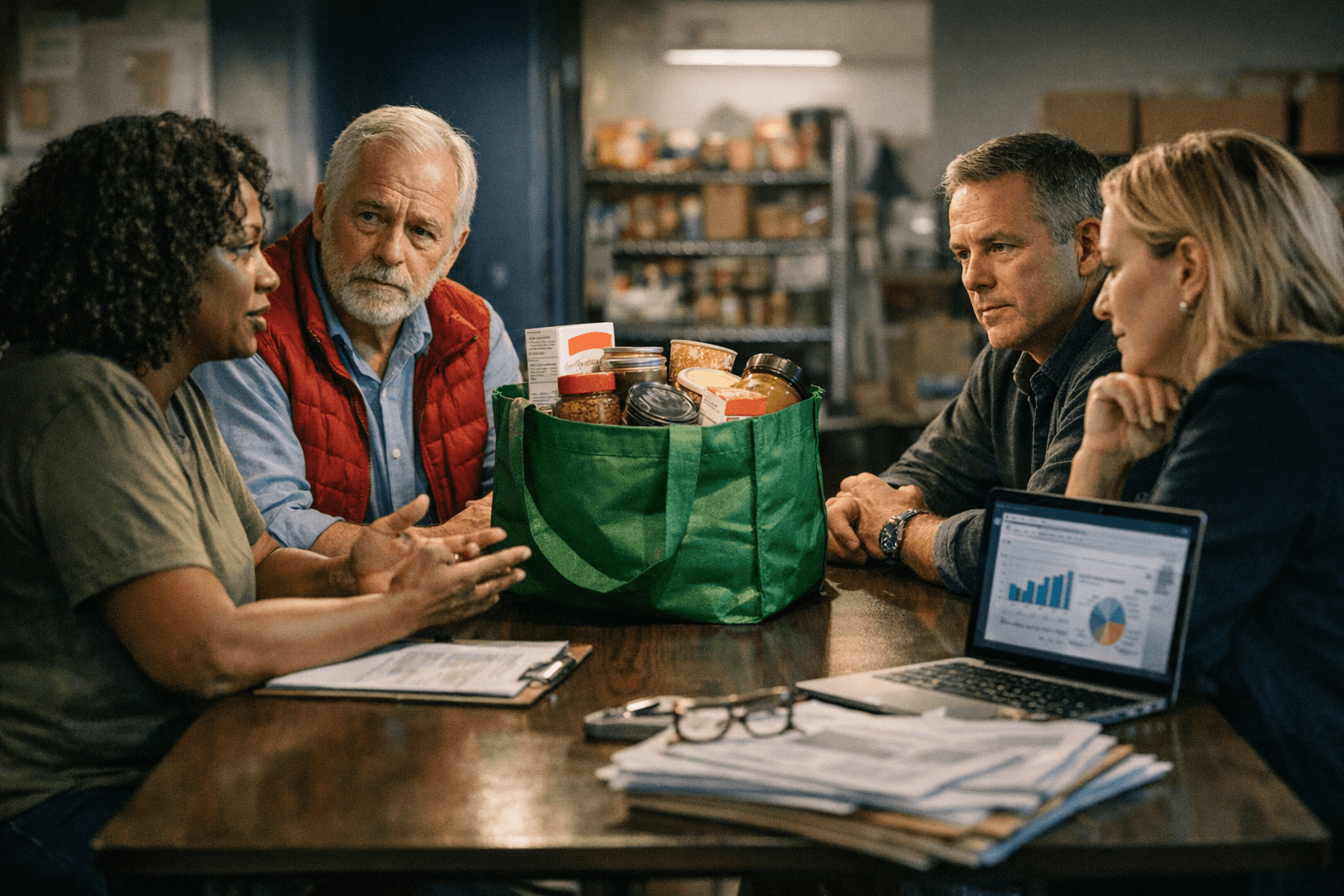
One gap worth closing is the practice of logging when partners cite the profile during onboarding. Whether it is a corporate HR team building a workplace giving campaign or a municipal coordinator running an eligibility check, tracking each instance builds a quantified record of how often the profile directly influences partnership timelines. That data makes a concrete internal case for treating profile maintenance as a standing operational priority.
The final checkpoint is alignment between GuideStar and A Simple Gesture's own Mission and Impact page. Program counts, pantry partnership numbers, and program descriptions should match across both records. When they diverge, the organization presents two different public faces to the same funder, which creates manual reconciliation work that staff then have to absorb. Keeping both records consistent lets the green bag program's actual community reach do the persuading.
This article was produced by Prism’s automated news system from verified source data, official records, and press releases, then run through automated quality and moderation checks before publishing. The system is built and supervised by the people who set the standards it runs under. Read our full AI policy.
Did this article answer your question?