Blue Ridge Area Food Bank faces rising demand, falling donations
Demand hit 177,000 pantry visits a month while USDA donations fell 20% to 25%, forcing Blue Ridge Area Food Bank to buy more food and rethink sourcing.

Eight months into her tenure, Kari Deiner told Blue Ridge Area Food Bank stakeholders the system is getting squeezed from both sides: monthly demand is climbing to about 177,000 pantry-network visits, while USDA donations are down roughly 20% to 25% from the same point last year.
That is not just a fundraising problem. It is a sourcing and operations problem that reaches into every part of the network, from what shows up on the dock to what can be sent out to pantries, mobile sites, and school programs. The Verona-based food bank said it is still moving about 33 million pounds of food a year, but it is leaning more heavily on retail grocers, local farmers, and purchased food to keep shelves stocked across 25 counties and eight cities.
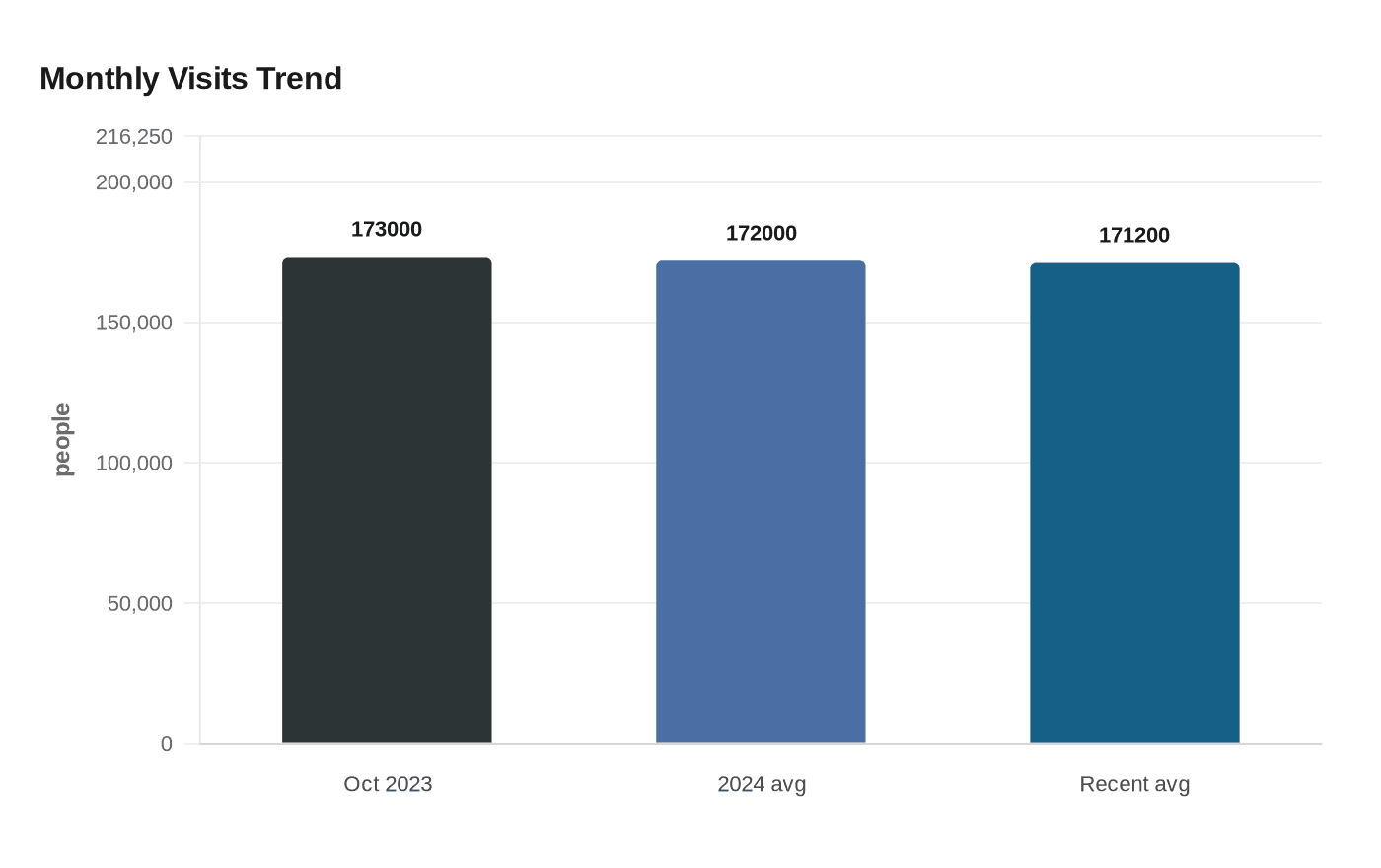
The pressure has been building for at least two years. In October 2023, the food bank logged 173,000 visits in a single month, then described that as an all-time high. Its 2024 figures showed an average of 172,000 people served per month, and more recent statements have put the monthly average at about 171,200, underscoring how fast the need has risen. The organization says roughly one in three guests is a child and one in five is a senior, a reminder that the strain reaches both ends of the age spectrum.
The supply side has not kept up. In its fiscal 2023 report, the food bank said it received 2.2 million pounds less than expected from the U.S. Department of Agriculture’s emergency food program, forcing it to buy more food at higher cost. It said it distributed 27.4 million pounds of food and 22.8 million meals that year. More recently, it said it was on track to spend $5 million on purchased food, up 200% from 2019.
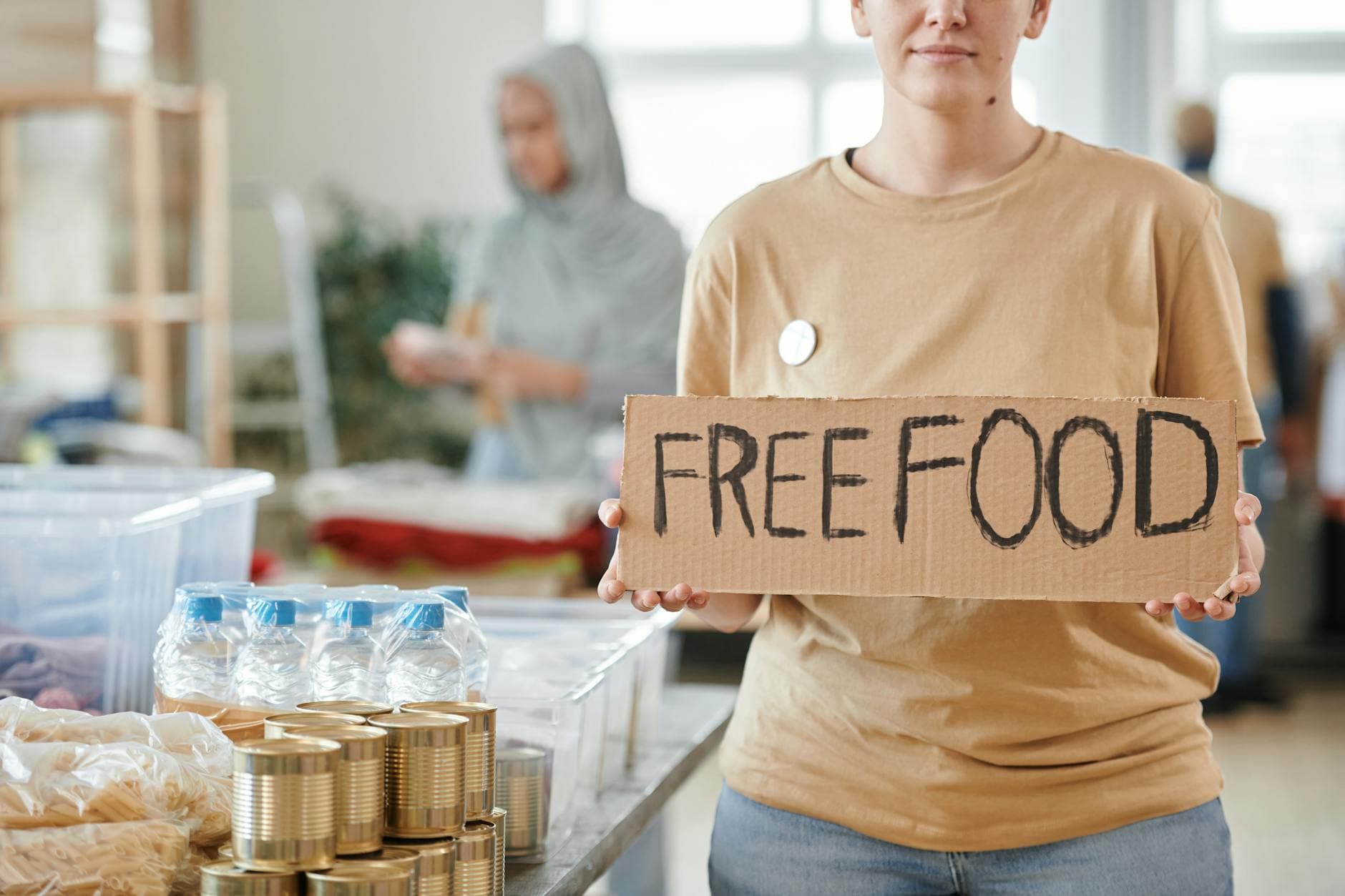
For workers and volunteers, that kind of imbalance changes the day-to-day math. More food has to be sourced, more substitutions have to be made, and more coordination is needed between the food bank’s distribution centers in Charlottesville, Lynchburg, Winchester, and Verona and its network of nearly 400 community organizations and program sites. Partner tools such as Link2Feed, Agency Express, and Meal Connect point to how much planning is now required just to keep product moving.
The regional hunger picture helps explain why the squeeze matters. The food bank has said about one in 9 neighbors in the Blue Ridge region experiences food insecurity, and a 2024 Map the Meal Gap estimate put that number at nearly 172,000 people, about one in 10 overall and one in 9 children. When a system is already serving that many people, every drop in donated supply lands directly on the frontline. The challenge now is not only raising money, but making sure the right food keeps moving through the network fast enough to meet demand.
Know something we missed? Have a correction or additional information?
Submit a Tip