Connecticut pantry uses AI to train 370 volunteers after expansion
Daily Bread Food Pantry used AI videos to train 370 volunteers after moving into a space 10 times larger in Danbury.

Daily Bread Food Pantry did not turn to artificial intelligence for novelty. It used it because its volunteer training suddenly had to keep pace with a move into a 6,000-square-foot pantry that was 10 times larger than its former home in Danbury.
President Peter Kent faced the kind of staffing bottleneck that can slow a fast-growing food recovery operation: 370 volunteers needed to learn new shopping protocols, new operating hours, volunteer management software and a client-choice model all at once. Instead of filming and re-filming training sessions the traditional way, the pantry used an AI video platform to produce polished materials quickly, then kept the process flexible enough to update whenever procedures changed.

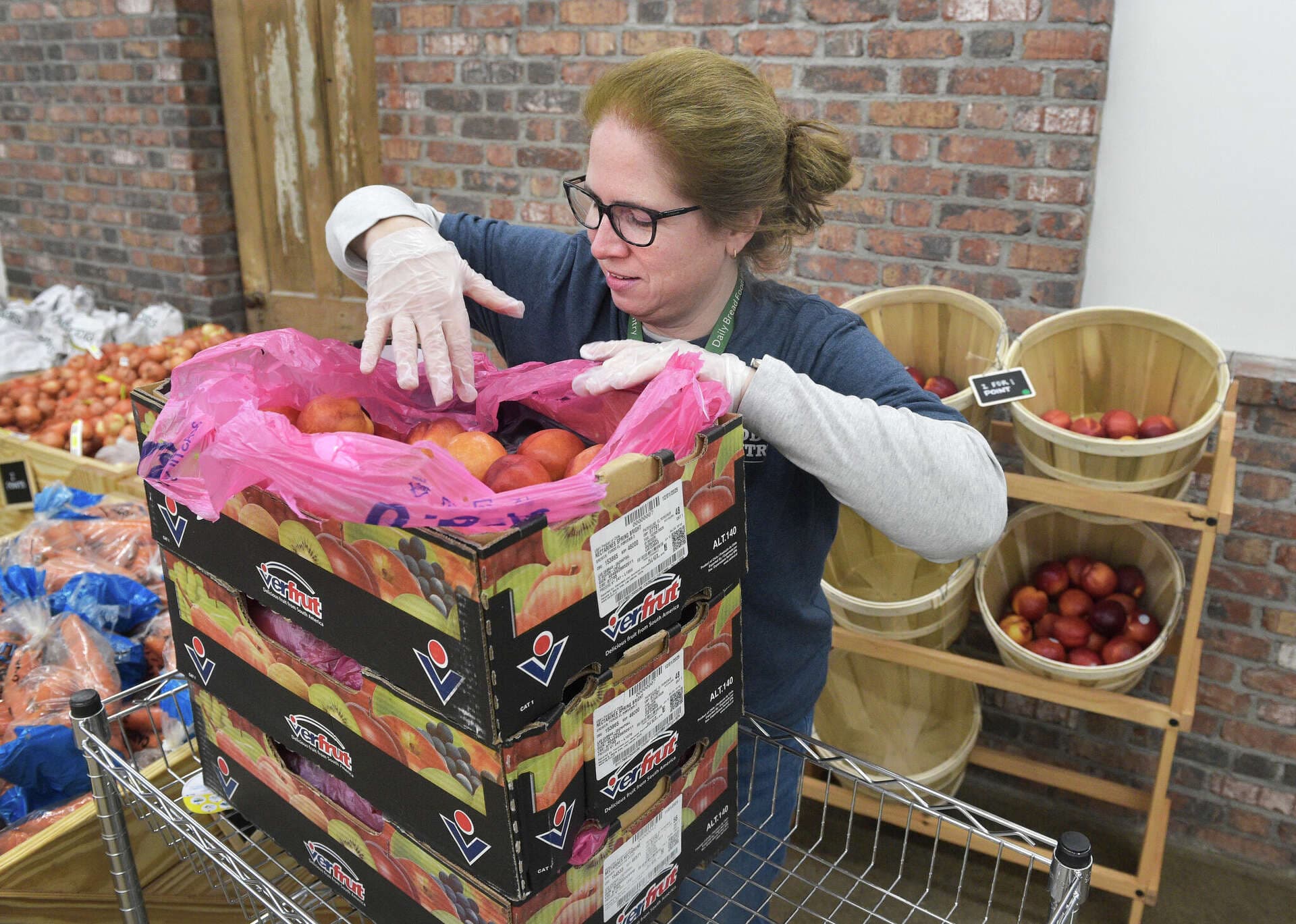
That mattered because the expansion was not just about more room. Daily Bread moved to 125 Park Avenue, into the former home of the U.S. Military Museum, which closed in 2017. JLL arranged the lease. The pantry’s previous site was a rear building of St. James Episcopal Church on Terrace Place. Daily Bread describes the new site as its “super pantry,” calling it bright, welcoming and spacious, with state-of-the-art pantry management systems designed to allocate food fairly and promote good nutrition.
For volunteers, the change was more than a new address. Daily Bread says it is run entirely by volunteers and lists more than 600 active volunteers on its website, a larger pool than the 370 figure tied to the new training push. That gap points to the real challenge behind the AI project: not simply recruiting people, but getting enough of them on the same page when the work itself changes. A grab-and-go operation asks for one set of habits; a client-choice pantry asks for another, from how guests move through the space to how volunteers explain the process and keep shelves balanced.
The broader context is a statewide hunger network built on standard procedures and large volunteer ranks. Connecticut Foodshare, founded in 1982 and part of the Feeding America network, says it provided 44 million meals across Connecticut last year. In that environment, small efficiencies matter. If AI can cut the time needed to train volunteers, it can free up staff and volunteer leaders to focus on food sourcing, pantry partnerships and route coordination rather than repeating the same orientation scripts.

The harder question is where the technology stops. AI can standardize the basics and make updates easy, but pantry work still depends on human judgment, especially when guests are choosing food, procedures shift and volunteers need real-time supervision. For a nonprofit expanding as quickly as Daily Bread, that balance may be the real test: whether AI improves consistency without diluting the hands-on oversight that keeps a food pantry running.
Know something we missed? Have a correction or additional information?
Submit a Tip