Counties urge Congress to delay SNAP cost shift, warn of budget strain
Counties say a SNAP cost shift could saddle New York with at least $168 million in new annual costs, threatening timely benefits and food access for nearly 3 million residents.
County leaders and anti-hunger groups warned that New York’s local safety net could take the hit first if Washington moves ahead with a steep SNAP administrative cost shift this fall. The change would cut the federal share of SNAP administration from 50 percent to 25 percent beginning October 1, 2026, leaving counties and New York City with at least $168 million in new annual costs, according to the New York State Association of Counties.
The warning landed as a budget and service-delivery problem, not just a policy dispute. NYSAC said counties administer SNAP for nearly 3 million New Yorkers, a structure that makes the state unusual and leaves local departments of social services on the front line when federal rules change. NYSAC has urged Congress to delay the shift for two years so counties can plan and build capacity instead of absorbing the cost overnight, and it has also pressed New York State to cover the full expense if the change takes effect as scheduled.
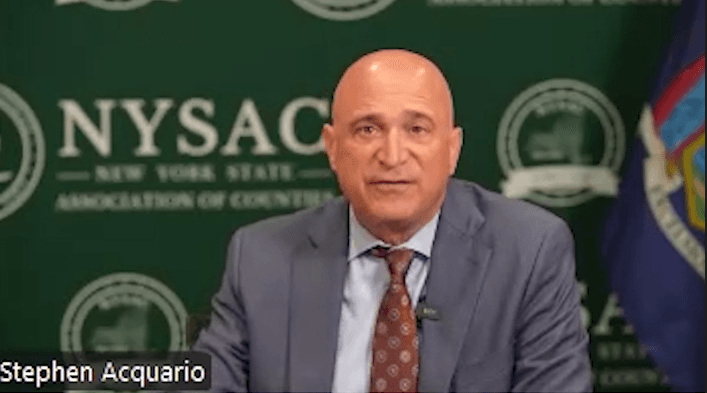
The issue reached a broader county and hunger-relief audience during an April 30 virtual press conference that featured NYSAC Executive Director Stephen J. Acquario, NYSAC President and Oswego County Administrator Philip Church, Onondaga County Executive and New York State County Executives’ Association President Ryan McMahon, and leaders from the Regional Food Bank of Northeastern New York and Island Harvest. Their presence underscored how quickly an administrative decision can spill into nonprofit food recovery, pantry distribution, and case-processing workloads across the state.
The New York State Office of Temporary and Disability Assistance said the change stems from the One Big Beautiful Bill Act, signed July 4, 2025, and told social services districts not to implement related changes until OTDA issues guidance. That pause may buy local agencies time on paper, but it does not erase the financial pressure counties say is coming if the federal match falls as planned next year.
The scale of the risk is already clear in the state’s caseload. The Office of the New York State Comptroller reported that in January 2025, 61 percent of SNAP recipients were in New York City, or about 1.8 million people, while Erie, Monroe and Suffolk counties each had more than 100,000 recipients. Across New York, SNAP brings more than $7 billion in food benefits into households each year.
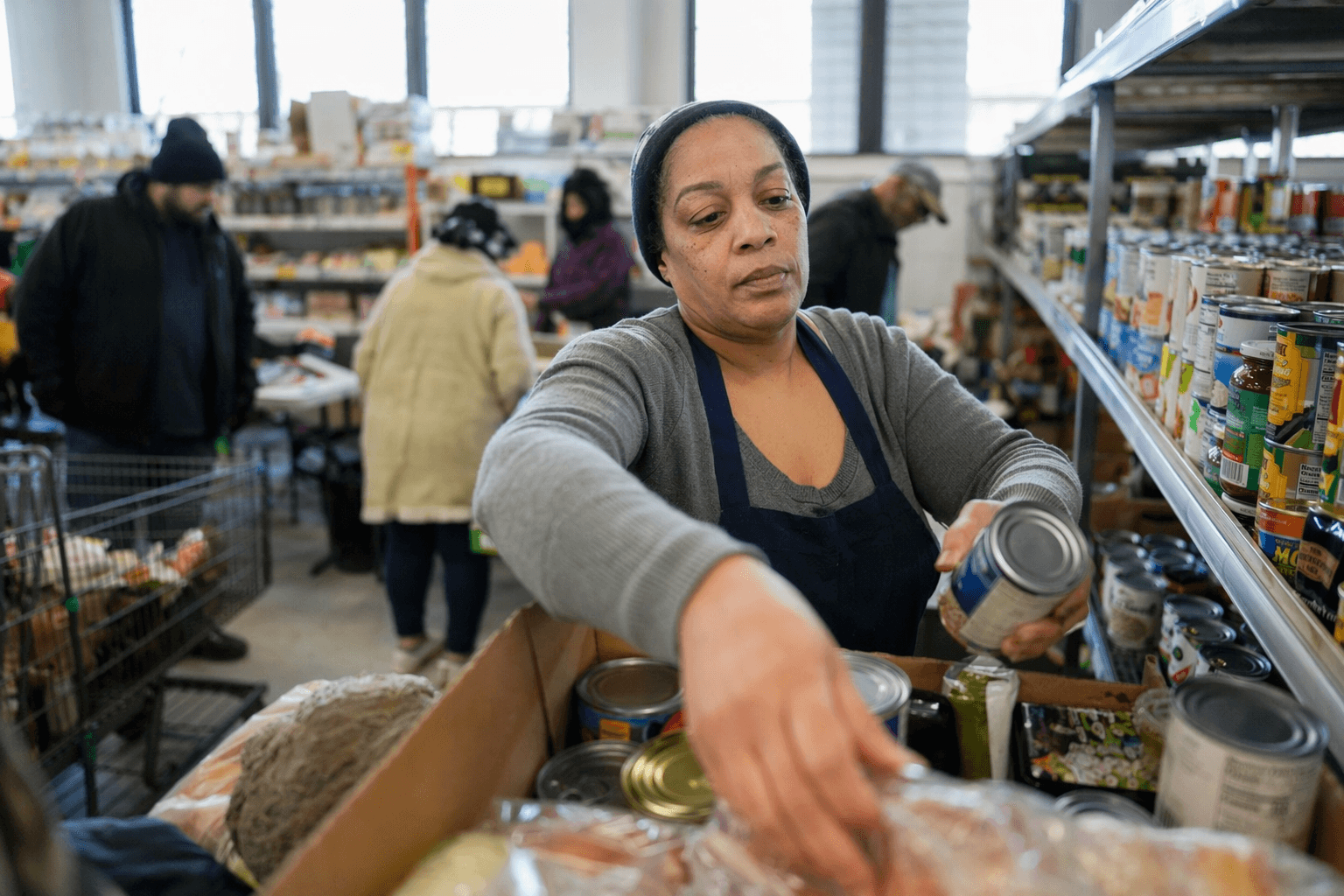
For food recovery organizations, the downstream effect matters. The Regional Food Bank of Northeastern New York says it serves nearly 1,000 charitable agencies across 23 counties and feeds more than 350,000 people each month. Island Harvest supports 300 community partners on Long Island. If counties are forced to redirect staff time and money to absorb new SNAP costs, those agencies could feel the strain in slower processing, tighter budgets and more households turning to food pantries and volunteer-run food recovery programs.
This article was produced by Prism’s automated news system from verified source data, official records, and press releases, then run through automated quality and moderation checks before publishing. The system is built and supervised by the people who set the standards it runs under. Read our full AI policy.
Did this article answer your question?