FDA food donation guidance offers roadmap for A Simple Gesture operations
FDA’s donation checklist can function like a playbook for A Simple Gesture, tightening volunteer handling, temperature control, and records while protecting pantry trust.

A practical food-safety roadmap for a volunteer network
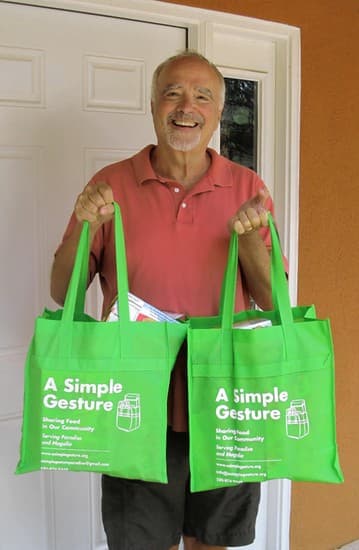
The strongest lesson in the U.S. Food and Drug Administration’s food donation guidance is simple: food recovery works best when it runs like an operating system, not a patchwork of good intentions. For A Simple Gesture, that matters because the organization’s green bag model depends on predictable pickup routes, clear volunteer behavior, and pantry partners who trust that every donation is safe, traceable, and usable.
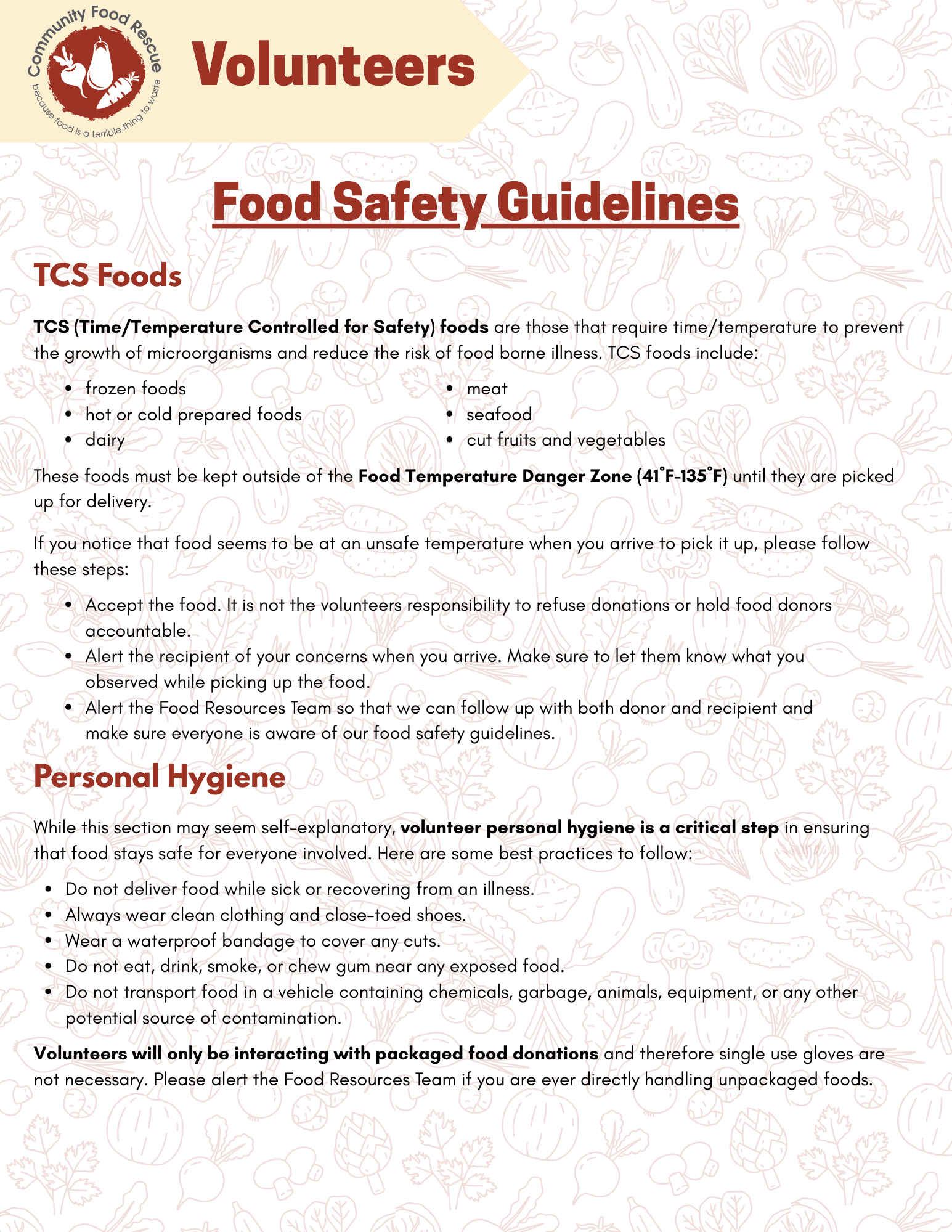
FDA’s checklist was written for retail food establishments, but its mechanics translate directly to a neighborhood food recovery network. The agency encourages the donation of wholesome food to reduce food loss and waste while feeding people in need, and it lays out the basics that any nonprofit handling donated food can adapt into daily practice: keep food safe under state or local food codes, label allergens properly, leave unopened foods in their original packaging, prevent contamination from dust, debris, spoiled products, and cleaning supplies, and maintain safe temperatures. Hot foods should stay at 135 degrees Fahrenheit or above, and cold foods at 41 degrees or below.
Why the checklist matters at A Simple Gesture
A Simple Gesture’s model is built on trust at both ends of the route. Donors trust that the bag at their doorstep will be handled responsibly, and pantry partners trust that what arrives will still be wholesome by the time it reaches their shelves. That makes FDA’s guidance more than a compliance document. It becomes a field manual for volunteers, route captains, and staff who need to make quick decisions when a bag contains mixed items, a package is dented, or a donation includes something perishable.
One of the most useful parts of the FDA framework is its emphasis on judgment backed by procedure. If an outer box is damaged, that does not automatically mean the inner package is unsafe. If a donation is cold, the team needs a temperature plan. If a volunteer is sorting or loading food, that volunteer needs to know what clean-hands practice looks like and when to stop and flag a problem. In a network that stretches from doorstep pickups to pantry delivery, those small decisions protect both the nonprofit and the people it serves.
How to turn the guidance into a standard operating procedure
A Simple Gesture could treat the FDA checklist as the backbone of a short written SOP for every stage of the donation flow. That would make onboarding easier for new volunteers and reduce variability when collections arrive in uncertain condition. It would also give staff a consistent way to train route leaders and explain why some items can move forward while others need to be set aside.
- clear rules for what counts as acceptable donated food,
- directions for keeping unopened items in original packaging,
- allergen labeling checks,
- temperature expectations for anything perishable,
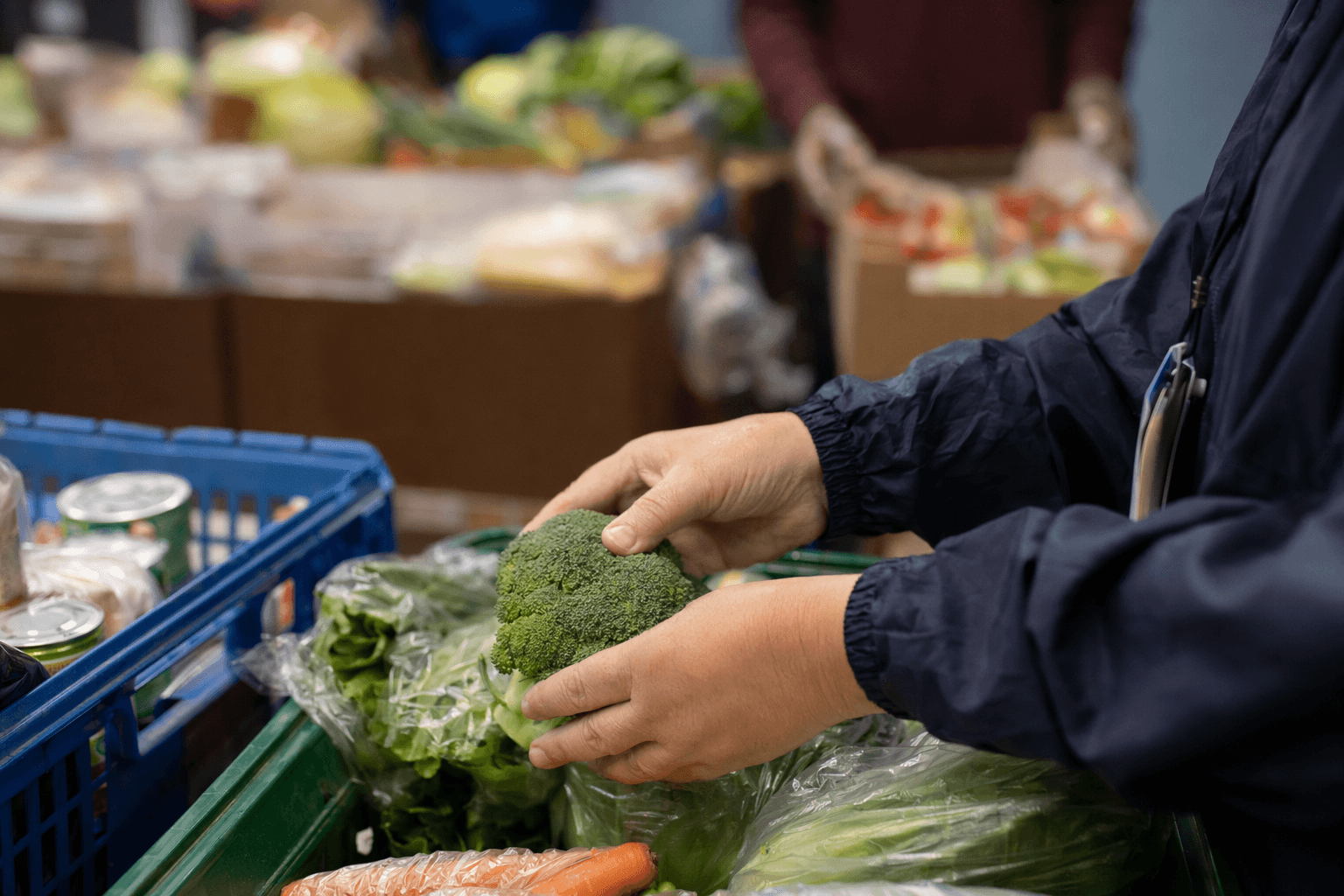
- contamination safeguards during transport and sorting,
- and a recordkeeping log that captures what was donated, when it arrived, who transported it, and the temperature at which it was stored.
A practical SOP would include:
That last part is especially important. FDA says records should track the food itself, the timing, the transporter, and storage temperature. For a volunteer-driven nonprofit, that kind of documentation does two jobs at once: it supports food safety and it helps staff answer questions from pantry partners quickly when a shipment needs to be traced.
Training volunteers to make the right call
The FDA guidance also says everyone handling donated food, including volunteers, should be trained in hygiene. That point matters in a nonprofit setting where many hands may touch the same bag before it reaches a pantry shelf. Training does not need to be complicated, but it does need to be specific enough that volunteers know what to do before they arrive at a pickup or sorting site.
For A Simple Gesture, that could mean short instructions on clean hands, how to handle bags that look wet or contaminated, how to separate food from cleaning supplies or other nonfood items, and when to escalate a concern instead of making an on-the-spot guess. The workplace value is speed with consistency: once volunteers know the rules, staff spend less time correcting avoidable mistakes and more time managing the route network and relationships with partner pantries.
Why the stakes are larger than one pantry network
The broader policy backdrop makes the case even stronger. The U.S. Environmental Protection Agency estimates that in 2019 the food retail, food service, and residential sectors generated about 66 million tons of wasted food in the United States. At the same time, the U.S. Department of Agriculture says 12.8 percent of U.S. households were food insecure at some point during 2022, and that more than one-third of all available food in the United States goes uneaten through loss or waste.
That is why food donation sits near the top of the food recovery hierarchy. EPA places donation on its Wasted Food Scale as one of the preferred ways to manage surplus food, and USDA says donating wholesome food for human consumption diverts waste from landfills and puts food on the table for families in need. For a group like A Simple Gesture, that is not abstract policy language. It describes the exact operational lane the organization works in every week.
A model that has already scaled
A Simple Gesture’s own numbers show why standardized food safety practices matter. The organization says it works with dozens of local food pantries in Guilford County, North Carolina, has more than 1,700 food donors, and collects more than 132,000 pounds of food each year. It also says it has more than 60 chapters across the country and has provided over 7 million meals, with roots dating back to 2011.
That scale creates real operational pressure. A neighborhood model only stays convenient if the process behind it is reliable, and reliability depends on repeatable rules. A short written SOP based on FDA’s checklist would help A Simple Gesture’s staff and volunteers make the same call across routes, chapters, and pantry partners, even when donations arrive in less-than-perfect condition.
A nonprofit-specific playbook already exists
There is also a useful precedent closer to the food recovery world. North Carolina’s Division of Environmental Quality has published SOP guidance for food recovery organizations receiving food donations, including how to coordinate with donors on frequency, what may be donated, how food should be labeled, and how it should be received. That reinforces the idea that food donation guidance should not stay locked inside a retail or kitchen context. It can and should be adapted into nonprofit receiving protocols.
For A Simple Gesture, the opportunity is to treat FDA’s 2022 Food Code language on donations as a foundation and then build a local operating system around it. The 2022 Food Code addressed food donations for the first time, and FDA says it reflects input from regulatory officials, industry, academia, and consumers through the Conference for Food Protection. That makes it a rare kind of policy tool: broad enough to carry weight, specific enough to shape daily practice.
The result is a safer, cleaner, more scalable donation network. In a volunteer-run food recovery system, that is not just a regulatory upgrade. It is how trust gets preserved from one doorstep to the next pantry shelf.
This article was produced by Prism’s automated news system from verified source data, official records, and press releases, then run through automated quality and moderation checks before publishing. The system is built and supervised by the people who set the standards it runs under. Read our full AI policy.
Did this article answer your question?