Labor Department recovers $171,897 in unpaid overtime from Hawaii clinic
Federal investigators recovered $171,897 after a Hawaii rehab clinic missed overtime across three sites, shorting 32 workers on pay that should have been counted together.
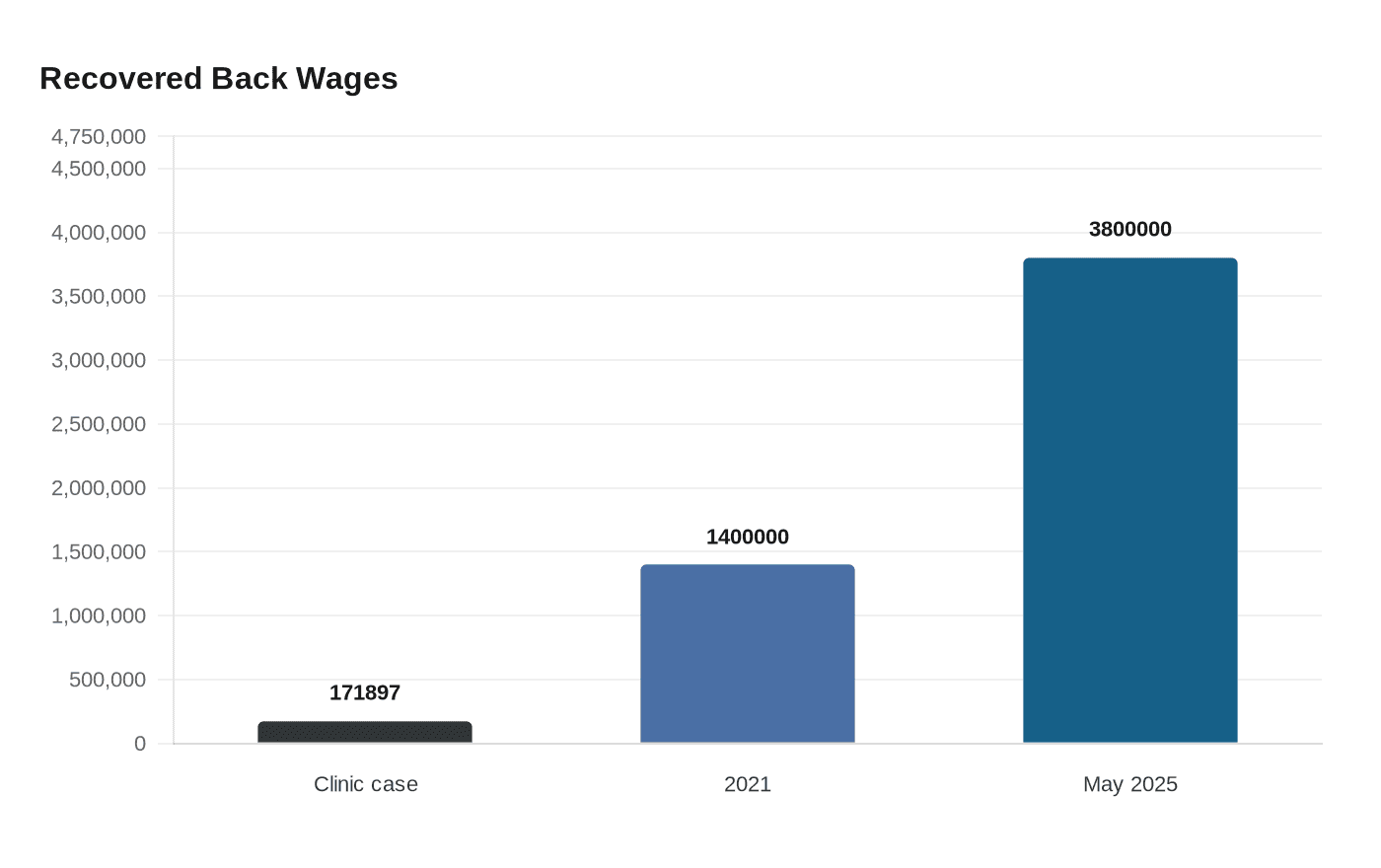
Federal investigators recovered $171,897 in back wages after a Hawaii physical therapy and rehabilitation clinic failed to pay full overtime to 32 workers across three locations, a case that shows how quickly a basic timekeeping problem can turn into a costly wage claim.
The U.S. Department of Labor said First Physical & Functional Rehab did not combine hours worked at its Wahiawa, Waianae and Waipahu facilities when calculating overtime. Under federal law, overtime generally kicks in after 40 hours in a workweek, and the agency said the clinic’s error left workers short on pay they had already earned. Investigators also determined the violation was willful, which led to a civil money penalty.

For workplaces that spread staff across sites, the mechanics matter as much as the policy. A worker who covers one location in the morning, helps at another later in the week and then finishes administrative tasks after hours can easily cross the overtime line if managers treat each assignment as a separate bucket. That kind of mistake is especially easy to miss when schedules, approvals and payroll records live in different systems or sit with different supervisors.
The lesson lands beyond health care. Nonprofits can be covered by the Fair Labor Standards Act through enterprise coverage or individual coverage, and the Labor Department says a nonprofit’s commercial venture can trigger enterprise coverage if annual revenue from those activities reaches $500,000. The department also says unpaid volunteer activity for civic, charitable or humanitarian reasons is not hours worked when it meets the volunteer standard. Separate establishments can still count as one enterprise, and joint employers can be jointly and severally liable when hours are combined for overtime purposes.
For A Simple Gesture, the warning is practical. Green bag pickup routes, pantry drop-offs, volunteer recruitment, event days and late-night email cleanup can all create work time that does not fit neatly into one location or one role. If a coordinator helps on a route, sorts donations and then handles follow-up from home, the organization needs a clear system for recording those hours before they become a payroll dispute.
Hawaii has seen steady wage enforcement before. In 2021, the Labor Department’s Honolulu District office said it had conducted 228 investigations, found violations in 219 cases and recovered more than $1.4 million in back wages for almost 1,700 employees. In May 2025, the department said Hawaii janitorial employers owed more than $3.8 million to 1,133 workers after investigators found unpaid overtime and falsified pay records. The latest rehab-clinic case fits that pattern: small recordkeeping failures can become expensive liabilities long before leadership realizes the payroll system is wrong.
This article was produced by Prism’s automated news system from verified source data, official records, and press releases, then run through automated quality and moderation checks before publishing. The system is built and supervised by the people who set the standards it runs under. Read our full AI policy.
Did this article answer your question?