Feeding America survey finds hunger priorities, stronger support for food banks
Nearly 1,500 people with lived hunger pointed food banks toward three priorities: children, easier SNAP access and food as medicine.
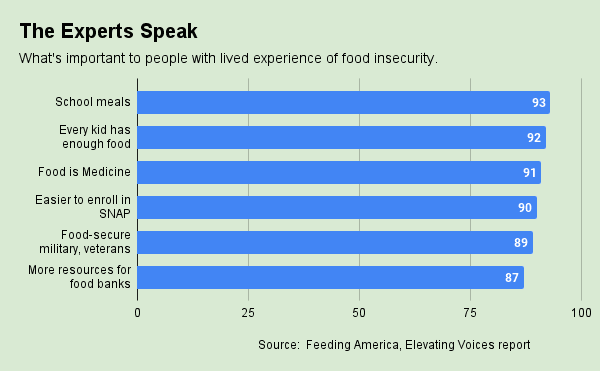
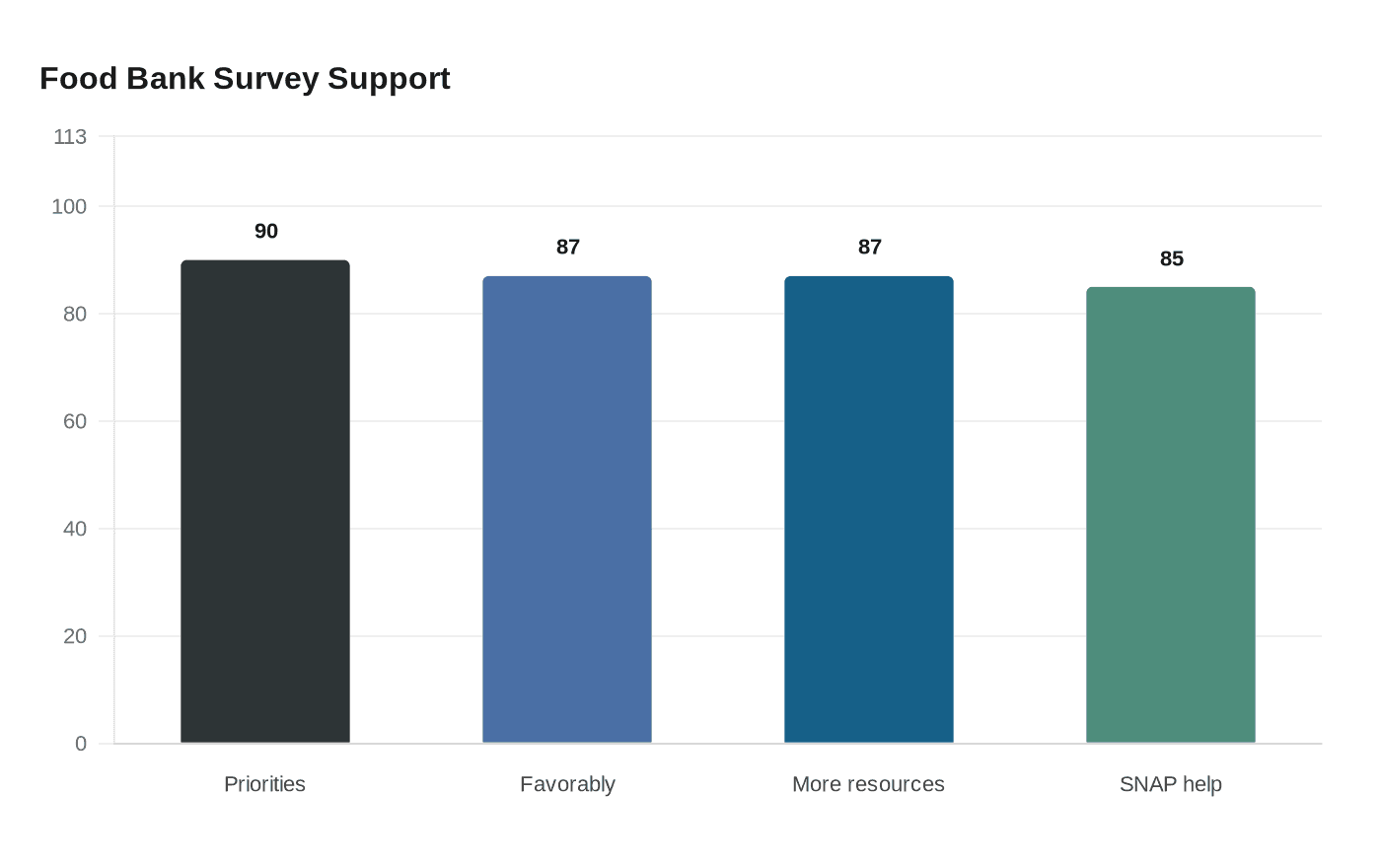
Nearly 1,500 adults with lived experience of hunger just gave food banks a clearer playbook: feed children first, make SNAP easier to navigate and treat food as medicine, not just emergency calories. In Feeding America’s 2025 Elevating Voices survey, at least 90 percent of respondents said those priorities mattered.
That matters far beyond one survey. Feeding America said 87 percent of respondents viewed food banks favorably, and the same share said more resources should go to food banks so they can serve more people. The organization launched Elevating Voices in 2022 during the White House Conference on Hunger, Nutrition, and Health, and fielded the latest survey from June 17 to July 7, 2025. In a network that spans more than 250 food banks, over 20 statewide food bank associations and more than 60,000 agency partners, pantry sites and meal programs, those numbers can shape how local systems decide what to stock, when to open and how to treat people at the door.
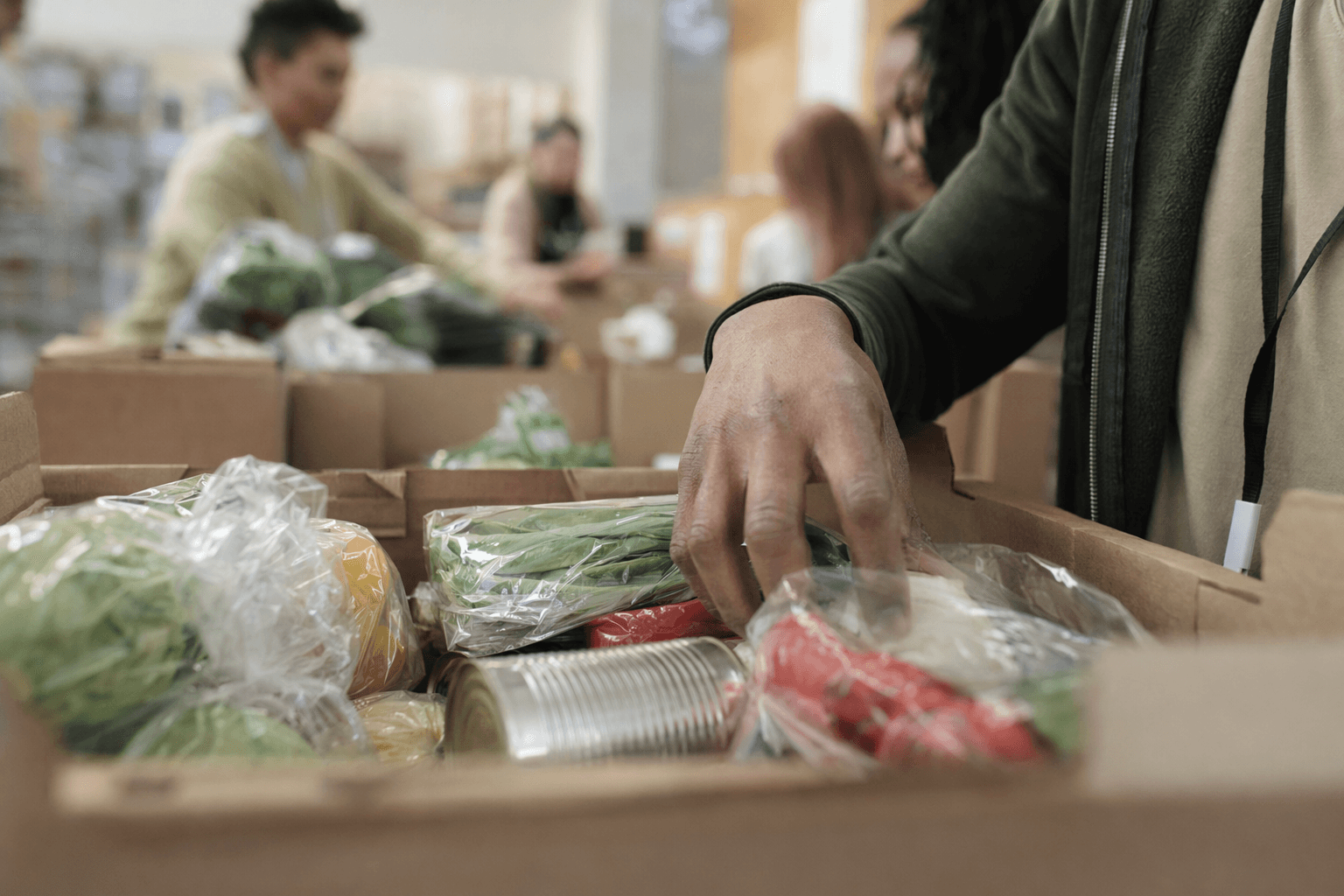
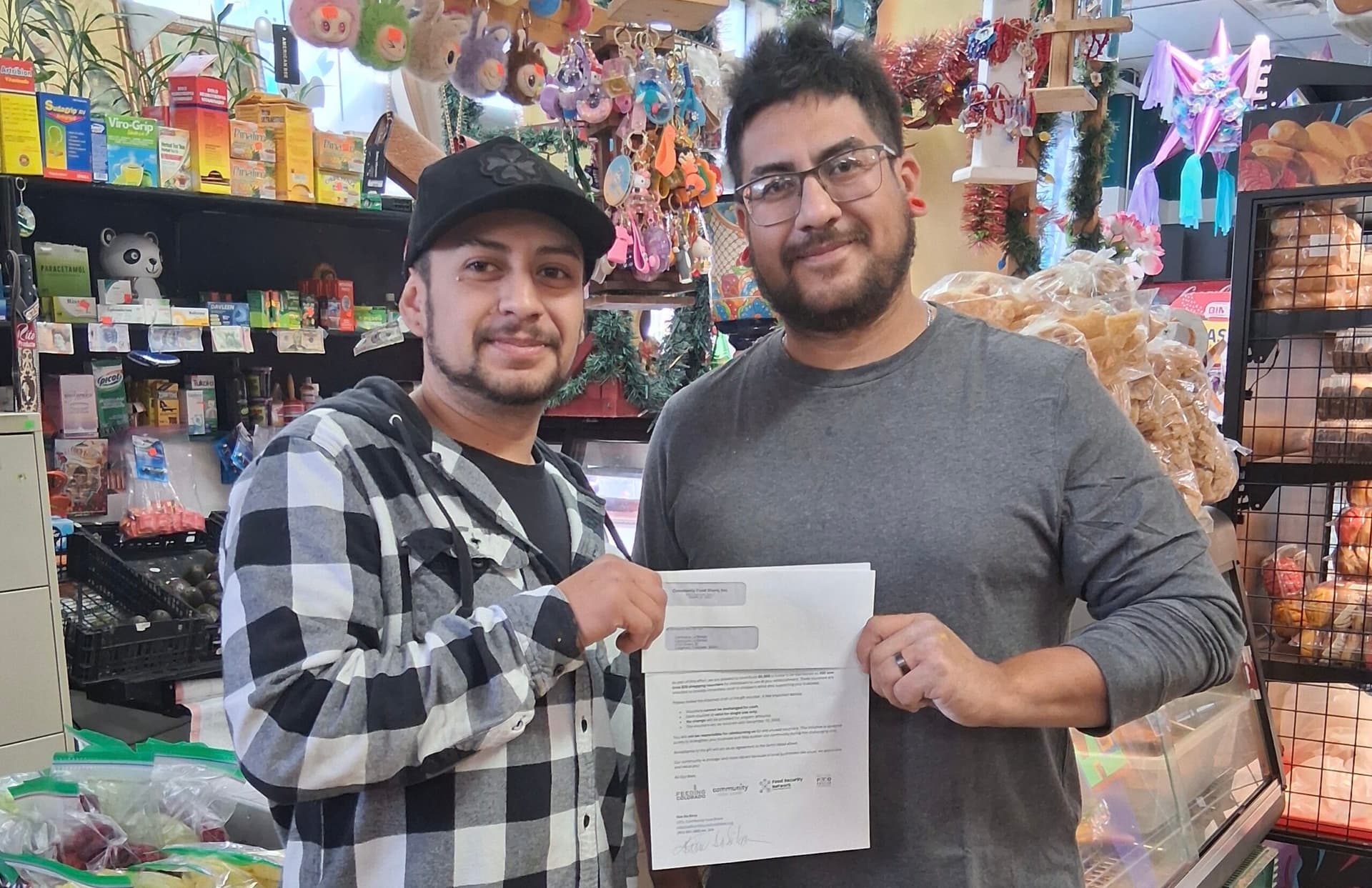
For A Simple Gesture-Guilford County, the message lands close to home. The chapter says it partners with dozens of local food pantries in Guilford County, North Carolina, and its work stretches from green bag pickups and business food recovery to SHARE refrigerators in schools and a Refugee Feeding Network. The nonprofit’s roots trace back to Paradise, California, where Jonathan and Karen Trivers founded the model before the Guilford County chapter was established as a 501(c)(3) in 2015. For staff and volunteers, the survey is a reminder that food recovery is not only about moving product, but about matching the mix to what families actually need.

The clearest operational shift is in what happens after the rescue. Feeding America says SNAP remains a critical resource, but not enough on its own to solve hunger. It also says 85 percent of food banks already have programs to help people enroll in SNAP, which turns food banks into navigation hubs as much as distribution centers. That is the kind of back-end change listening can unlock: better referral systems, different distribution hours and pantry shelves that reflect household realities rather than donor assumptions.
The food-as-medicine numbers point the same way. Feeding America says its model has involved more than 30 health care providers, screened more than 860,000 patients for food insecurity and referred more than 100,000 food-insecure patients to nutritious food resources. It also says food-insecure people face almost $2,000 more in annual health care costs than people who are food secure, and that 21 partner food banks are taking part in Food as Medicine 3.0. For nonprofits and workplace giving teams, the lesson is blunt: the most effective aid programs start with what people say they need, then change the food mix, the pickup experience and the referral path to match.
This article was produced by Prism’s automated news system from verified source data, official records, and press releases, then run through automated quality and moderation checks before publishing. The system is built and supervised by the people who set the standards it runs under. Read our full AI policy.
Did this article answer your question?