Stockton Food Bank Secures Federal Boost for New Warehouse Expansion
A $1.15 million federal grant will help Stockton build a 17,400-square-foot food hub that doubles capacity and removes a major unloading bottleneck.

A $1.15 million federal boost has put the Stockton Emergency Food Bank one step closer to a warehouse expansion that leaders say will do more than add space. The new 17,400-square-foot Food Recovery Hub is designed to speed up unloading, cut spoilage, and move volunteers out of a cramped outdoor work area into a safer indoor setting.
Rep. Josh Harder announced the funding on May 7, 2026, as Community Project Funding for the Stockton operation. The project still needs about $4 million more, but the planned warehouse across the street from the current site is meant to more than double capacity and put the food bank on track to open by fall 2027.
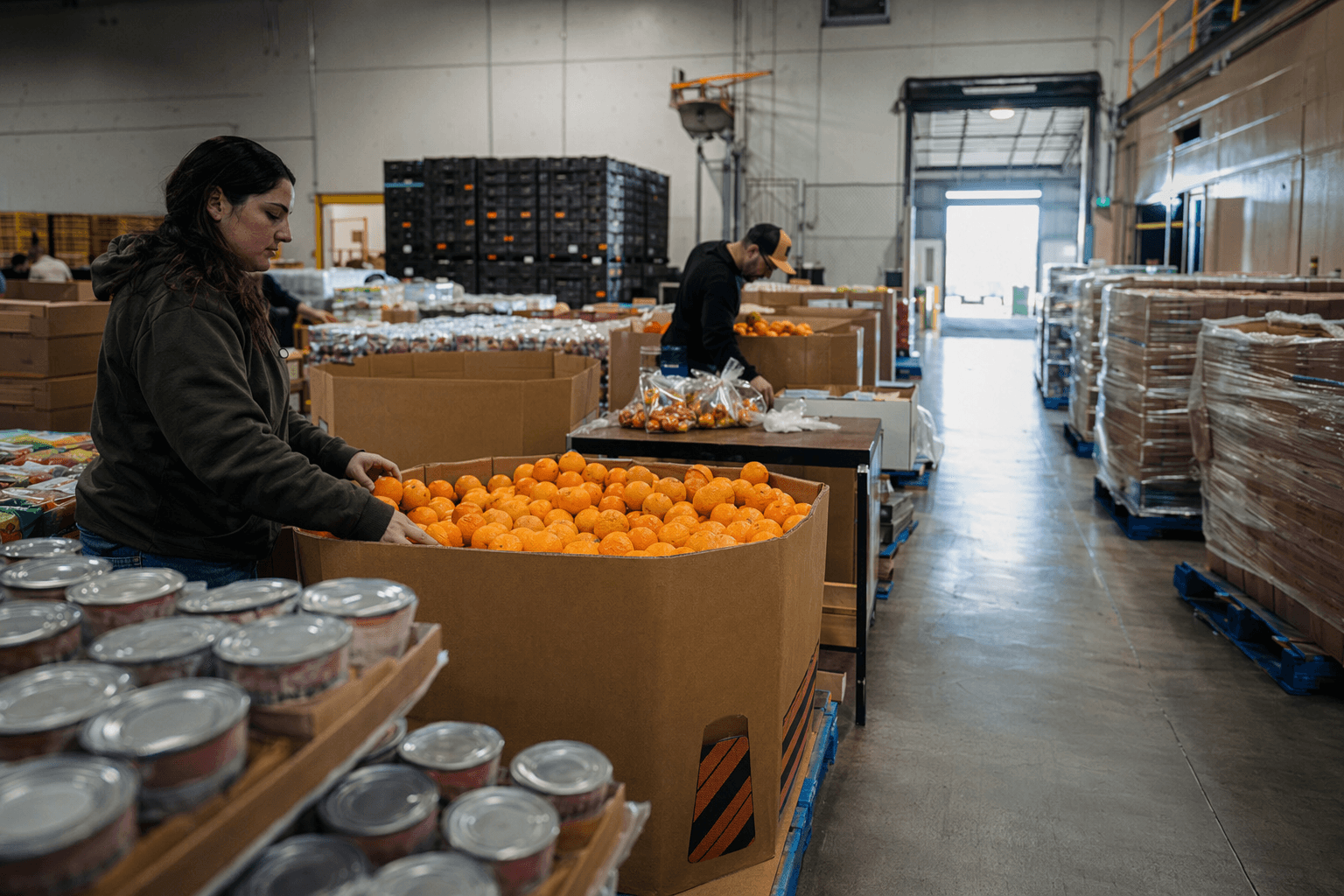
The operational case for the project is plain in the current setup. The food bank rents extra space at the Stockton Fairgrounds, stores food in trucks over weekends, and uses shipping containers outside the facility because the existing warehouse is nearly 50 years old and lacks a dedicated loading dock. Under the new plan, trucks would unload directly into the building, reducing the extra handling that slows down receiving, sorting, and distribution.
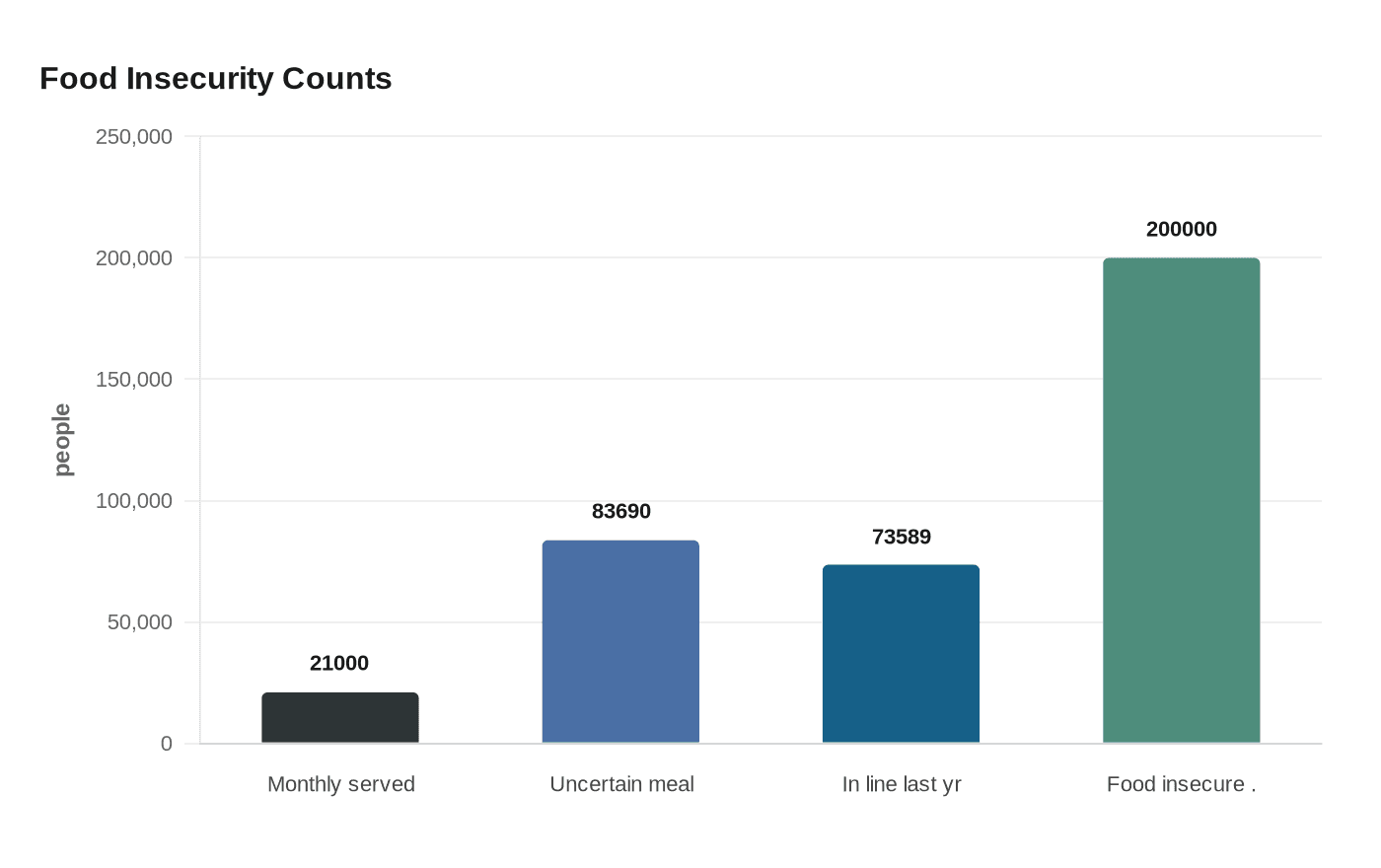
That matters because the scale of the work has outgrown the building. Harder’s office said the food bank serves an average of 500 vehicles per distribution and supports more than 21,000 people each month. Leonard Hansen said the nonprofit serves 83,690 San Joaquin County residents who are unsure where their next meal is coming from, and 73,589 of them appeared in line in front of the food bank last year. He said the organization is serving more than three times as many people per day as it did in 2019, even as storage remains a constant bottleneck.
For staff and volunteers, the expansion is as much about workflow as it is about square footage. Moving people out from under the Center Street overpass and into a warehouse environment would create a cleaner, more organized operation and reduce repetitive manual pallet handling. It would also make volunteer shifts easier to recruit and retain, a practical advantage for any food recovery network that depends on steady community labor to keep product moving.
Harder said federal cuts to food assistance programs are pushing thousands more people off CalFresh, while nearly 200,000 San Joaquin County residents were food insecure in 2024. Hansen said the expansion is meant to help the food bank provide food and nutrition education while honoring the dignity of every person served. The project now stands as a clear example of how infrastructure spending translates into more meals moved, less waste, and faster response when demand spikes.
Know something we missed? Have a correction or additional information?
Submit a Tip