Food Bank food farmacy cuts blood sugar, weight in patient program
A Regional Food Bank program is turning grocery boxes into clinical support, with 166 patients seeing lower blood sugar and an average nine-pound weight loss.
What the Food Farmacy is actually doing
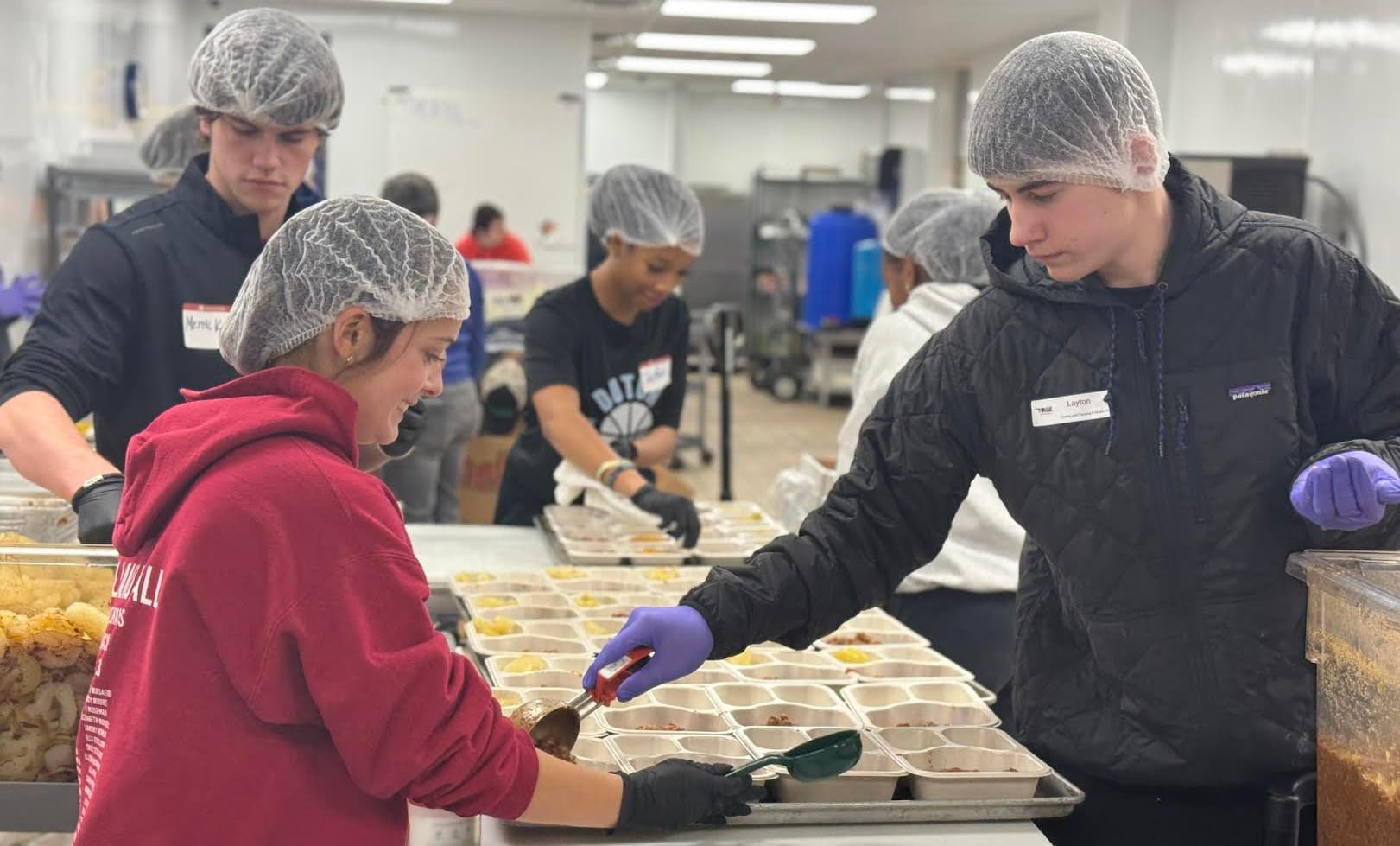
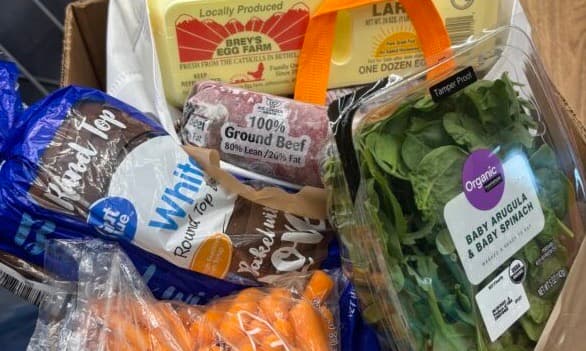
The Regional Food Bank of Northeastern New York is showing how food-as-medicine becomes real only when it is built like a service, not a slogan. Its 12-week Food Farmacy program gives patient households weekly boxes of healthy food and virtual nutrition counseling, and the food bank says 166 patients have already seen an overall 1.7 percent drop in blood sugar and an average weight loss of nine pounds.

That matters because the model is not built around a single drop-off of groceries. It is designed around repeated contact, follow-through, and a clinical handoff that keeps going after the food box itself runs out. Patients can have food delivered to them or pick it up at the hospital after doctor visits, while registered dieticians lead the counseling sessions so healthier eating habits are reinforced week after week.

Why the outcome data matters
The strongest signal here is not just that food moved. It is that the program is showing measurable changes tied to chronic disease management, especially for patients with diabetes. A 1.7 percent blood sugar reduction and a nine-pound average weight loss suggest that the intervention is doing more than covering an immediate pantry gap.
For a food recovery organization like A Simple Gesture, that distinction is important. The lesson is not that every nonprofit needs to become a clinic. It is that if food support is meant to affect health, the work has to be measurable, consistent, and structured around repeat engagement instead of one-time charity.
The referral network behind the program
The Regional Food Bank’s Food As Medicine work is expanding through New York’s Medicaid 1115 Waiver and Social Care Networks, which is where the program starts to look less like a pilot and more like an operating system. The food bank is currently contracted with Healthy Alliance to serve the North Country and Capital Region, and it will begin accepting referrals through Hudson Valley Care Coalition.
That referral plumbing matters as much as the food itself. The Food As Medicine expansion also reaches Albany, Saratoga, Orange, and Sullivan counties through partnerships with Garnet Health, Saratoga Community Health, and St. Peter’s Hospital. In practice, that means patients are not finding the program through a flyer alone, but through healthcare partners that can screen, refer, and keep the pipeline moving.
A Regional Food Bank page describes Food As Medicine as a mix of tailored groceries, food access resources, nutrition education, and counseling opportunities. Another page says the program works with hospitals, clinics, and community health centers to support patients with chronic conditions. That combination is what makes the model repeatable: a referral source, a food package, and a follow-up system all working together.
How the program scales beyond one hospital
The Regional Food Bank says it serves nearly 1,000 charitable agencies across 23 counties in northeastern New York and helps feed more than 355,000 people each month. That broad anti-hunger footprint helps explain why its Food Farmacy work can scale beyond a single clinic relationship.
The food bank says it already works with eight healthcare partners and distributed more than 100,000 pounds of nutritious food through those relationships in 2024. It also runs a smaller produce prescription program that uses DoorDash deliveries and ongoing check-ins. Taken together, those pieces show a program that is not dependent on one delivery channel or one kind of partner.
That flexibility is the real operational lesson. Some patients get boxes delivered. Some pick them up after appointments. Some participate through a produce prescription with delivery support. For a nonprofit trying to move from a pilot to a regional system, that kind of routing flexibility is what keeps the model from breaking when the volume rises.
The financing and institutional backing that make it possible
The Food Farmacy partnership did not scale on goodwill alone. St. Peter’s Health Partners and the Regional Food Bank have worked together on it for at least two years, and in 2023 the Empire BlueCross Foundation announced a three-year, $450,000 grant to support the partnership.
That kind of funding matters because food-as-medicine programs have costs that ordinary pantry models do not. They need food sourcing, clinical coordination, delivery logistics, documentation, and the staff time to keep patients engaged. Medicaid-linked infrastructure gives the model a more stable path, especially when the service is available to qualifying Medicaid members through the waiver.
Garnet Health’s role shows how the partnership base can widen. The health system announced on February 14, 2024, that it was joining the Regional Food Bank partnership to expand Food Farmacy to more patients affected by food insecurity. A local report said Garnet Health staff received its first delivery of 1,000 pounds of food on February 1, 2024, which is a reminder that regional scale begins with very physical work: food on pallets, trucks on routes, and a receiving team ready to handle it.
What this means for A Simple Gesture
For A Simple Gesture, the value of this model is not in copying a medical program line for line. It is in seeing what has to exist for food recovery to become something more measurable and more durable: trusted institutional partners, clear referral flows, a tracking system that can show volume and outcomes, and fulfillment capacity that can reliably move food where it is needed.
That is the deeper parallel with green bag pickup routes and pantry partnerships. The work scales when every handoff is defined, every route is dependable, and every partner knows what happens next. The Regional Food Bank’s Food Farmacy shows that food-as-medicine stops being aspirational when it is run like infrastructure, and infrastructure is what turns good intentions into repeatable community health.
Know something we missed? Have a correction or additional information?
Submit a Tip