Food banks invest in partner networks to meet rising hunger demand
Good Shepherd Food Bank’s partner grants drew more than 80 requests for $1.6 million as funded agencies saw meal growth top 560%.
Good Shepherd Food Bank is betting that the next wave of hunger will be met by stronger pantry partners, not just more food moving through trucks and warehouses. Its Nourish and Flourish grant program has become a core part of that strategy, directing money into the local agencies that turn donations into usable meals, stable pickup points, and better service for families under pressure.
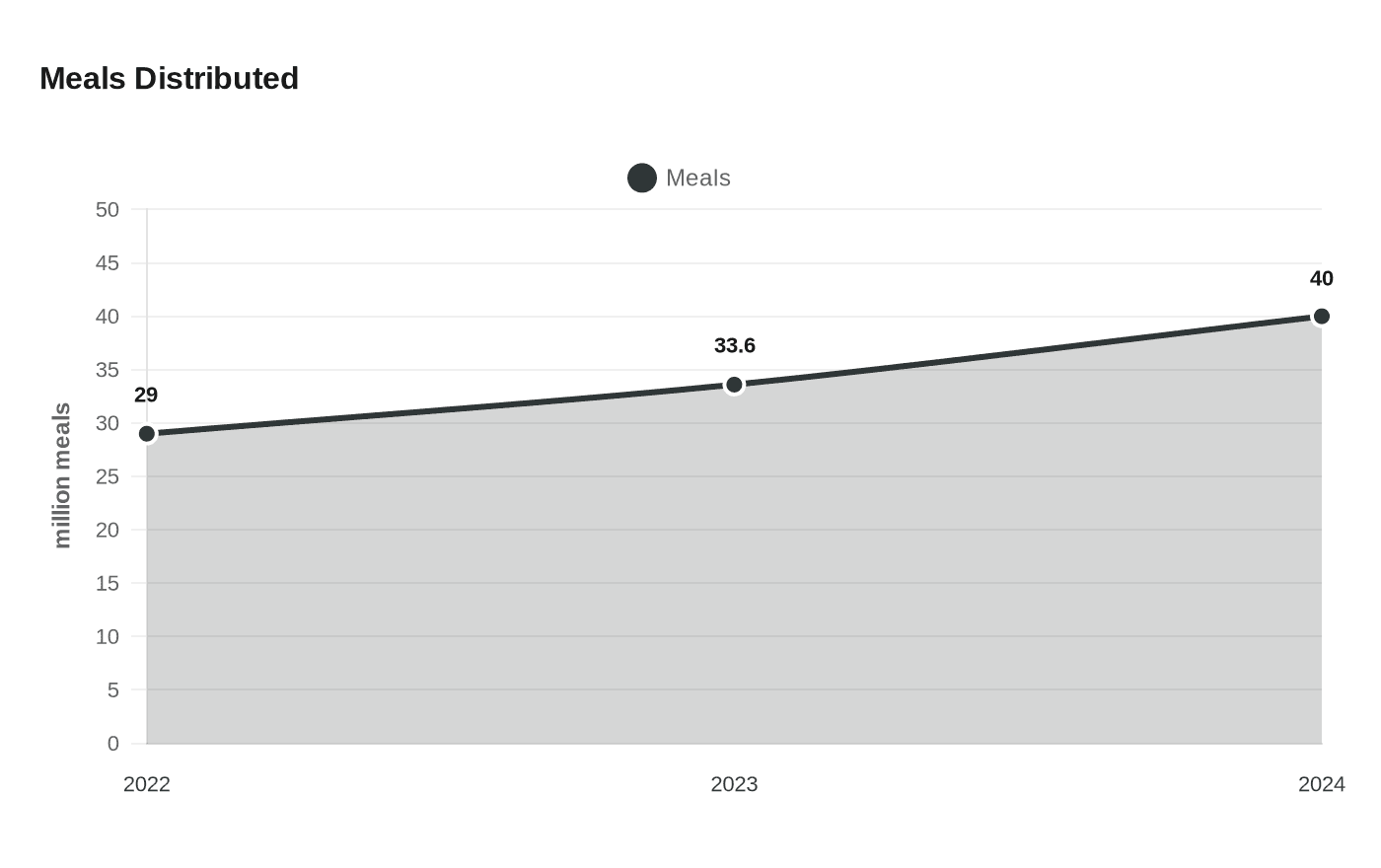
The Maine food bank now works with nearly 600 food assistance programs from Kittery to Fort Kent, including community pantries, soup kitchens, senior centers, shelters, schools and youth programs. In 2024, more than 80 organizations requested more than $1.6 million in Nourish and Flourish funding, the most competitive pool yet. Good Shepherd reported distributing a record 40 million meals that year, up from 29 million in 2022 and 33.6 million in 2023, a reminder that the network’s burden has grown as demand has stayed volatile.

Good Shepherd says the grant program is designed to improve partner programming and strengthen dignity, agency and community belonging for people facing food insecurity. Shannon Coffin, the food bank’s vice president of community partnerships, said the effort is encouraging pantry partners to be “visionaries and change-makers.” By the end of year three, she said, the impact was “crystal clear,” and the work is “not just about logistics, but about relationships.”
The operational lesson reaches well beyond Maine. Agencies that received funding saw meal growth of more than 560 percent from 2019 to 2024, roughly four times the growth of agencies that did not receive grants. That is the kind of performance shift that comes from infrastructure spending, not one-off charity. It points to the value of refrigeration, shelving, intake systems, staffing, technology, routing and partner coordination, the less visible pieces that determine whether food gets where it needs to go on time and in usable form.
For A Simple Gesture, that same logic shows up in the green-bag model. A Simple Gesture - Guilford County says it works with dozens of local food pantries, more than 1,700 food donors and numerous volunteer drivers to collect more than 132,000 pounds of food each year. Its Greensboro operation says it has collected more than 4 million pounds from about 6,000 donors since 2015. Another chapter, A Simple Gesture - Reston, describes itself as a bi-monthly collection program that delivers non-perishable food directly to area pantries and depends on volunteer donors and volunteer drivers. In a system built on routes, repeat donors and pantry handoffs, capacity grants function less like extras and more like the operating support that keeps the whole network from breaking under strain.
Know something we missed? Have a correction or additional information?
Submit a Tip