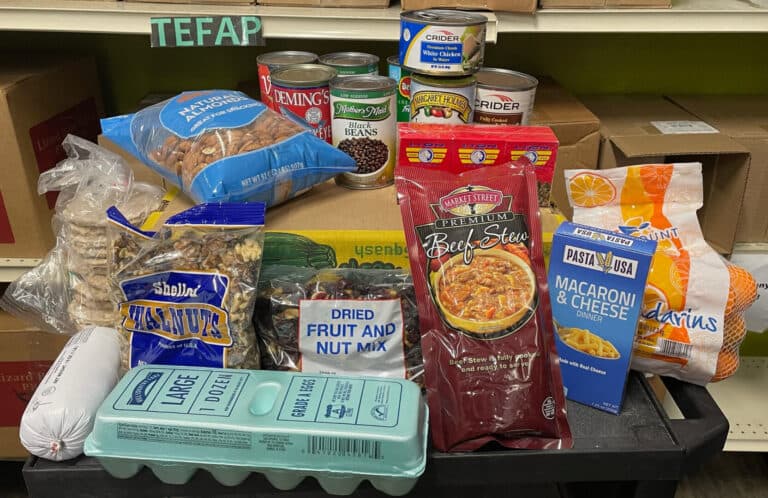
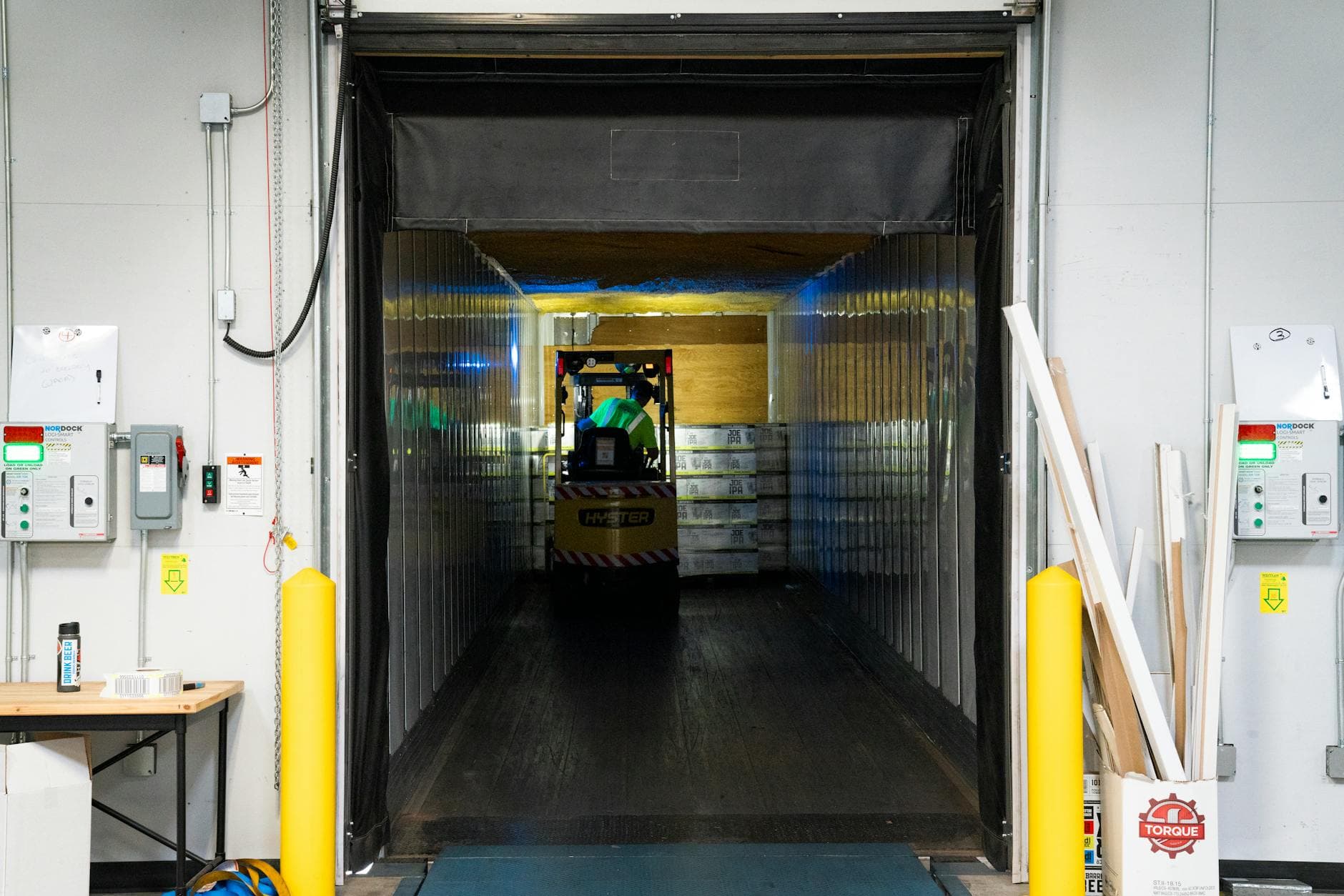
Food pantries gain strength through collaboration as demand rises
Pantries are pooling buying power and advocacy, and The Roundtable’s nine NYC members now back one another with 52 million meals a year. A Simple Gesture shows the same logic on local routes.
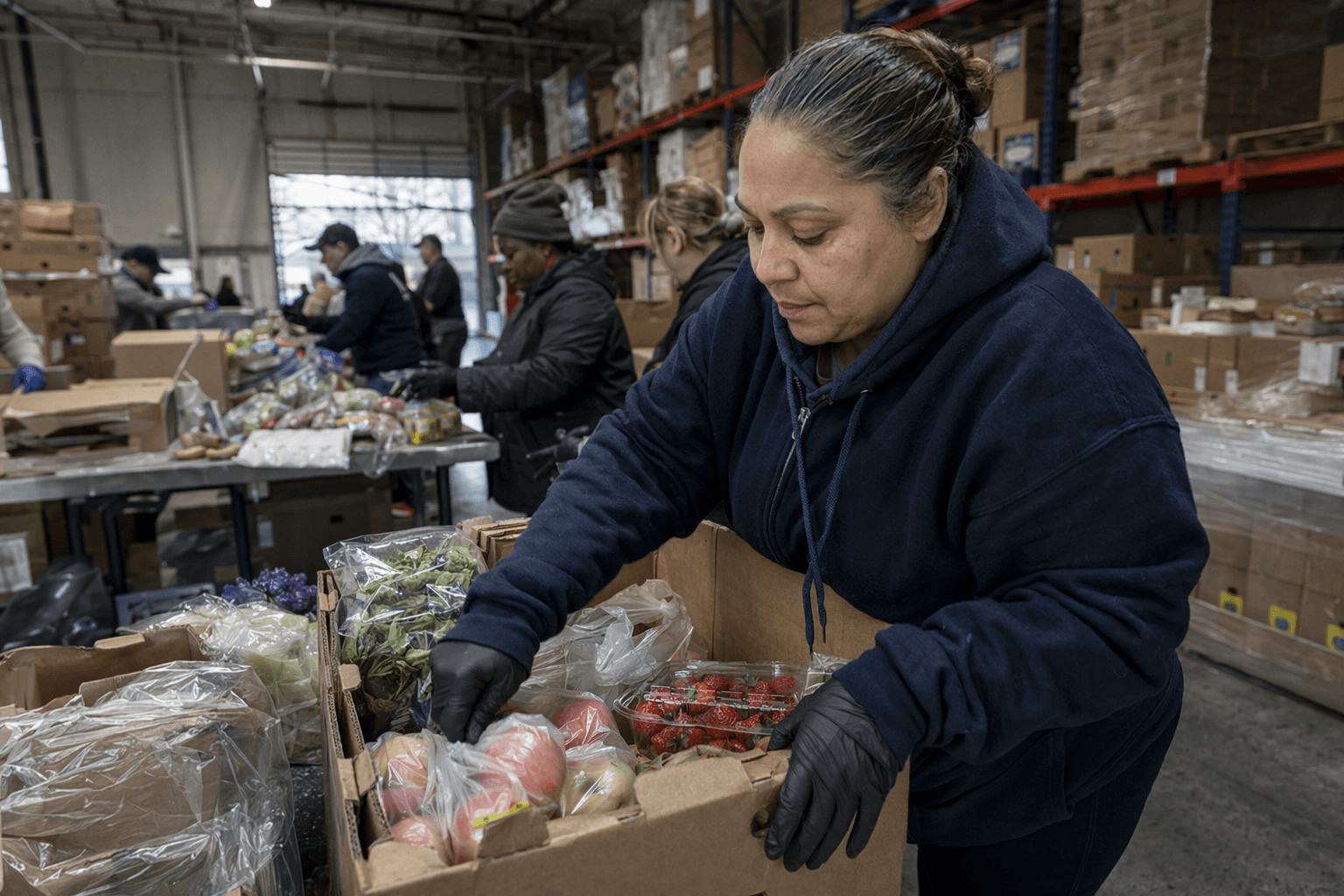
Food pantries are gaining leverage by acting less like isolated charities and more like a coordinated supply network, and New York City’s The Roundtable shows how that shift changes who shapes hunger response on the ground. The coalition says it now includes nine of the city’s largest food pantries and soup kitchens, up from four founding emergency food providers in 2018, and the member network collectively distributed 52 million meals in 2022. West Side Campaign Against Hunger describes itself as the host, founding member and leader of the network.
That matters because the pressure on emergency food providers is no longer just about collecting enough food. It is about shared purchasing, shared advocacy and mutual support, all of which give pantry leaders more bargaining power when demand rises and public funding falls. The Roundtable says it also provides direct technical assistance to smaller pantry partners, adding a service-delivery role that goes beyond bulk buying. In practice, that means larger organizations can help shape procurement, coverage and the rules of access instead of each pantry solving the same problems alone.
The same logic runs through A Simple Gesture, where collaboration is built into the operating model. A Simple Gesture-Guilford County says it has made donating food easy since 2015 through door-to-door pickups, corporate pickups and food recovery pickups, and it also runs a SHARE school refrigerator program. Its impact page says that as of December 2025 it had delivered more than 8,000,000 child-size meals, valued donated food at $13,000,000 and worked with 75-plus pantry partners, 3,900-plus recurring food donors and 200 monthly volunteers.
For staff and volunteers, that scale depends on more than generosity. It depends on pickup timing, route reliability, pantry handoffs and steady communication with local partners. If neighborhood demand spikes or donors miss a pickup window, the whole chain feels it. That is why the strongest lesson from pantry collaboration is operational, not sentimental: shared calendars, shared training and shared messaging can reduce waste and widen access.
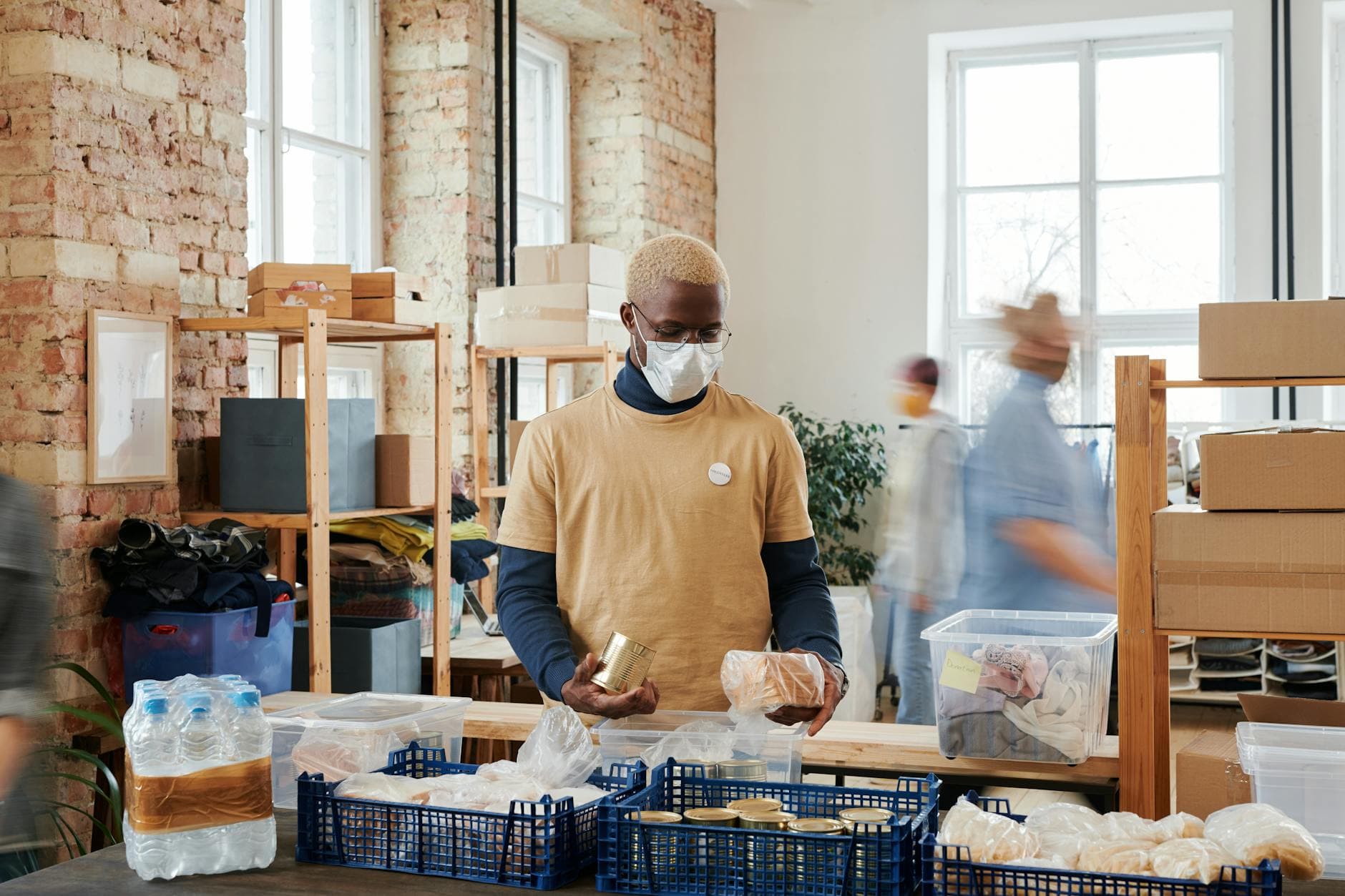
A Simple Gesture’s own history points the same direction. Jonathan Trivers started the model in Paradise, California, in 2011, and the idea has since spread to more than 70 chapters nationwide. An Arlington chapter says its version scaled to 650 participating donors, about 100 volunteer drivers and 50,000 pounds of donated nonperishables a year, with each driver covering six to seven donor stops. In a strained food system, the organizations that can convene, coordinate and standardize are the ones most likely to keep shelves stocked.
Know something we missed? Have a correction or additional information?
Submit a Tip