Guide helps small food‑rescue nonprofits classify volunteers, employees, contractors
Small food‑rescue nonprofits “often struggle to classify the people who help them,” and Evergreen Health’s compliance excerpts show practical process controls, screening, confidentiality, and written policies, to consider.
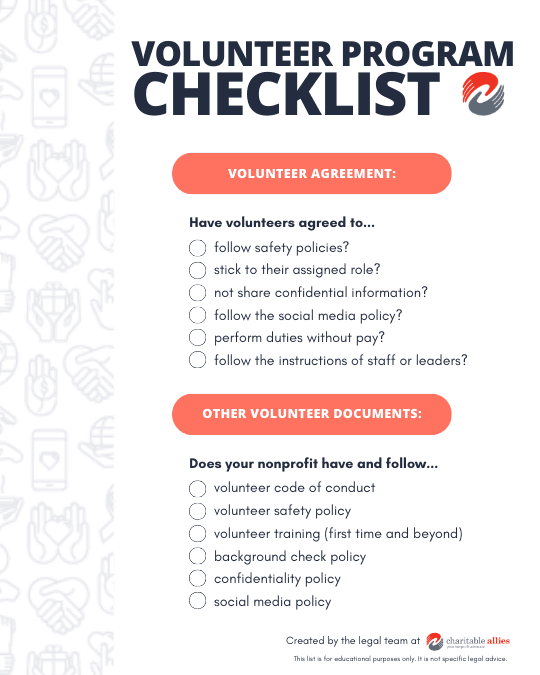
“Small nonprofits that operate volunteer pickup programs (door‑to‑door green‑bag programs, food recovery runs, pantry distribution) often struggle to classify the people who help them: volunteers, paid employees, or independent contractors. Classification affects minimum wage/over”
That truncated briefing line sets the problem: organizations like A Simple Gesture rely on mixed workforces and need clear rules. Below are three focused sections, volunteers, paid employees, and independent contractors, followed by operational process items you can adapt and a short follow‑up checklist. Wherever I can, I cite language from a formal compliance document as an example: an Evergreen Health “CORPORATE COMPLIANCE CODE OF CONDUCT” excerpt (Date Effective: 06.03.21; Approved By: EHS, Inc. BOD) that explicitly treats trustees, employees, vendors, independent contractors, interns, and volunteers as a single defined class of “personnel.”
1. Volunteers
Nonprofits’ pickup programs, “door‑to‑door green‑bag programs, food recovery runs, pantry distribution”, rely heavily on volunteers, but the research brief says these organizations “often struggle to classify” them. Evergreen’s Code explicitly includes volunteers in a broad definition: “Applies to EHS, Inc. and its affiliates ... trustees, directors, officers, employees, agents, vendors, independent contractors, interns, and volunteers (hereinafter referred to as ‘personnel’).” That choice matters: if your organization treats volunteers as part of a defined personnel pool, you can extend common policies (background checks, confidentiality rules) consistently across roles. Evergreen also states that the Code “will be distributed to all employees, board members, and volunteers who provide substantial services,” which signals a practical rule of thumb for nonprofits, identify who provides “substantial services” and make sure they receive the written policy. The materials supplied do not include legal text saying volunteers are exempt from minimum wage or overtime rules; the briefing itself cuts off after “Classification affects minimum wage/over,” so you should not assume a legal conclusion from these excerpts without further counsel.
2. Paid employees
Paid staff are the most straightforward category in practice but still require documentation. The Evergreen excerpt ties employees into its distribution and enforcement framework: the Code is “posted on Evergreen Health’s intranet and is made available through the Corporate Compliance department,” and it warns that “Failure to comply with any of the following standards may result in corrective action in accordance with Evergreen Health’s progressive disciplinary policies, or termination of relationship [...]” For a small food‑rescue nonprofit, that suggests two concrete steps: (a) put written classification and conduct rules where staff can access them, and (b) define and publish the disciplinary process so employees understand consequences. The supplied materials do not include the complete language about how classification affects pay (the phrasing “minimum wage/over” is truncated), so you must pair this operational practice, posting, distribution, discipline, with authoritative legal guidance on wage and hour obligations before changing pay status or payroll practices.
3. Independent contractors
The Evergreen Code explicitly lists “independent contractors” in its personnel definition and applies screening requirements across individuals and businesses. The Code states: “5. Exclusion Lists. The Corporate Compliance Officer shall ensure that Personnel (individuals and businesses) are screened to ensure that they are not excluded or barred from providing healthcare-related services for which Evergreen Health would receive federal and/or state funding. Such screening shall occur prior to hiring or retaining the individual or business (or as soon as practicable thereafter) and annually thereafter.” For nonprofits that hire drivers, route coordinators, or other outside service providers, that passage illustrates two operational controls you can adopt: screen prospective contractors before retention and document annual re‑screening thereafter. Important caveat from the excerpts: Evergreen’s screening obligation is tied to “healthcare-related services” and federal/state funding; the materials do not establish that the same legal exclusions apply to every nonprofit. Also, the supplied materials do not include the standard legal tests (IRS/DOL economic‑realities or state tests) that determine when a worker is an independent contractor versus an employee, so don’t use the term “contractor” in contracts or payroll records without legal vetting.

- Written scope and applicability: Evergreen’s Code shows value in defining who is covered. Their phrase, “trustees, directors, officers, employees, agents, vendors, independent contractors, interns, and volunteers (hereinafter referred to as ‘personnel’)”, is a model for clear scope language you can adapt to list the roles subject to your policies.
- Distribution and availability: Evergreen states the Code “will be distributed to all employees, board members, and volunteers who provide substantial services” and is “posted on Evergreen Health’s intranet and is made available through the Corporate Compliance department.” For a small nonprofit, distribute the policy to staff and substantial volunteers, post it in a shared drive, and note where updated copies live.
- Screening and re‑screening: Use a documented screening step for contractors and for volunteers who will access vulnerable populations or sensitive data. Evergreen requires screening “prior to hiring or retaining the individual or business (or as soon as practicable thereafter) and annually thereafter.” Mirror that cadence for anything that affects safety, funding eligibility, or program integrity.
- Confidentiality rules: Evergreen’s Code includes a confidentiality mandate: “Personnel must hold information concerning the individuals they serve in the strictest of confidence. Such information shall not be disclosed to anyone unless authorized by the individual or their representative, or unless [...]” Incorporate a clear confidentiality clause for volunteers and paid staff who handle donor or client data, and spell out authorized disclosure channels.
- Enforcement and consequences: Evergreen warns that “Failure to comply ... may result in corrective action ... or termination of relationship.” Make sure your policy explains disciplinary steps for employees and the terms for ending contractor or volunteer relationships when rules are violated.
Operational elements to borrow from Evergreen (practical checklist)
- Legal classification rules: The research notes do not include IRS, DOL, state statutes, or case law that determine employment status. They also leave the original brief’s “minimum wage/over” phrase incomplete. Before you change classification, get state‑specific and federal wage‑and‑hour guidance or an employment attorney’s review.
- Complete Evergreen policy text: The supplied Evergreen excerpts are truncated in places and list two conflicting dates: “Date of Last Review/Update: 02.2018” and “Date Effective: 06.03.21” (also shown as “Approval Date: 06.03.21”). Those inconsistencies and the omitted clauses marked “[...]” should be resolved by reviewing the full Corporate Compliance Code of Conduct and any revision history.
- Specific exclusion lists: Evergreen references screening against exclusion lists for entities receiving federal/state funding, but the excerpts do not name the databases. If you plan to screen, ask what lists to check and keep evidence of searches.
What the excerpts do not provide, and what you must confirm
Final point The immediate work for A Simple Gesture is procedural: document who does what in your pickup programs (use the program labels already in the briefing: door‑to‑door green‑bag programs, food recovery runs, pantry distribution), put a short written policy that defines volunteers, employees, and contractors, and adopt the concrete process elements Evergreen uses, distribution, screening prior to retention and annually, confidentiality clauses, and stated consequences. But don’t stop there: pair those operational controls with legal advice on wage, tax, and worker‑classification rules before changing pay or contract terms. That combination, clear internal rules plus up‑to‑date legal review, keeps your program running and your organization protected.
Know something we missed? Have a correction or additional information?
Submit a Tip