Nonprofit Quarterly calls for public policy to strengthen volunteerism
Volunteer work keeps A Simple Gesture moving, but policy still treats it like a side note. That gap shows up in mileage, insurance, scheduling, and who carries the risk.

Volunteerism is not just goodwill, it is infrastructure
Nonprofit Quarterly’s case is simple: volunteerism needs a public policy agenda, not just thank-you posts and recruitment slogans. The magazine argues that volunteers are central to nonprofit work, yet there is surprisingly little law built around them, even though the system leans on them every day. Its framing is useful because it treats volunteers less like a nice extra and more like the people who keep service delivery from breaking.
That matters for A Simple Gesture, where the mission depends on neighbors doing real logistical work. The organization’s Green Bag model, food recovery pickups, and school refrigerator programs only function if volunteer drivers show up on schedule, understand the route, and trust the system to be worth their time. Once you see volunteerism as infrastructure, the hard questions change from “How do we recruit more people?” to “What rules make this labor safer, easier, and more durable?”
Why the policy gap shows up at the curb
A Simple Gesture’s work in Guilford County has relied on volunteer drivers since 2015. The organization says those drivers use their own clean personal cars, must be 18 or older, and need to be able to lift 20-pound boxes. That is not casual help, it is recurring transportation labor, which means reliability, insurance, and reimbursement all affect whether routes run smoothly.

This is where the policy gap becomes a workplace issue. The Internal Revenue Service sets the 2025 charitable mileage rate at 14 cents per mile, a figure that barely touches the real cost of driving. If volunteers are expected to absorb fuel, wear and tear, and time out of pocket, recruitment gets harder and retention gets shakier, especially for people who can help but do not have spare resources.
Labor law adds another layer. The U.S. Department of Labor says volunteers for charitable or public purposes are generally not considered employees under the Fair Labor Standards Act. That helps explain why nonprofit teams often cobble together informal systems for training, route coverage, and liability rather than operating inside a strong legal framework designed for volunteer work. For a food recovery operation, that thin coverage is not abstract, it shapes who can be asked to drive, how they are supported, and how much risk the organization absorbs when something goes wrong.
What the numbers say about volunteer labor
The broader volunteer landscape is bigger than one local program. AmeriCorps and the U.S. Census Bureau reported that 28.3 percent of Americans age 16 and older formally volunteered through an organization between September 2022 and September 2023, up from 23.2 percent in 2021, though still below pre-pandemic levels. AmeriCorps also said more than 75.7 million people volunteered in America in its latest Volunteering and Civic Life in America research. That is a lot of civic labor, but the rules around it still lag behind the scale of the work.
Independent Sector’s estimate of a volunteer hour drives the point home. The organization put the 2025 value at $34.79 per hour in one April 2025 release, then later updated the estimate to $36.14 in April 2026. Those figures are not just bookkeeping trivia. They are a reminder that volunteer time has measurable economic value, even when nonprofits are expected to manage it with patchwork policies and gratitude alone.
Points of Light is pushing in a similar direction with Reimagining Service 2035, a cross-sector effort built around a national volunteer strategy. Its goal is to expand participation and make volunteering easier to access, which fits the same basic argument: if the country wants volunteer labor to stay strong, it has to lower the friction around joining, serving, and staying involved.
What this means inside A Simple Gesture
For A Simple Gesture staff and coordinators, the policy conversation lands in very concrete places. The organization says its food recovery program matches businesses like restaurants, grocery stores, caterers, and corporate cafeterias with vetted nonprofits, and that it also operates SHARE school refrigerators for students. It works with dozens of local food pantries in Guilford County, from Greensboro and High Point outward, and one profile says the county operation has collected more than 3 million meals since June 2015. That scale depends on volunteers behaving like dependable logistics partners, not occasional helpers.
Recruitment is the first pressure point. If volunteering feels expensive, confusing, or risky, the pool narrows fast. A Simple Gesture’s Green Bag and Food Recovery driver roles need people who can commit to recurring pickups, understand neighborhood routes, and keep food moving on a timetable that donors, pantries, and partner nonprofits can count on. A policy agenda that supports mileage reimbursement, clearer insurance coverage, and stronger volunteer protections would make those roles easier to fill and less likely to churn.
Training is the second pressure point. A volunteer driver who is lifting donated food, navigating donor pickups, and handing items off to nonprofit partners needs more than a welcome email. The system works best when the organization can standardize expectations, document procedures, and make sure volunteers know what to do when a pickup is missed or food is not usable. That is exactly the kind of administrative load that gets hidden when volunteerism is treated as informal extra labor instead of part of the operational core.
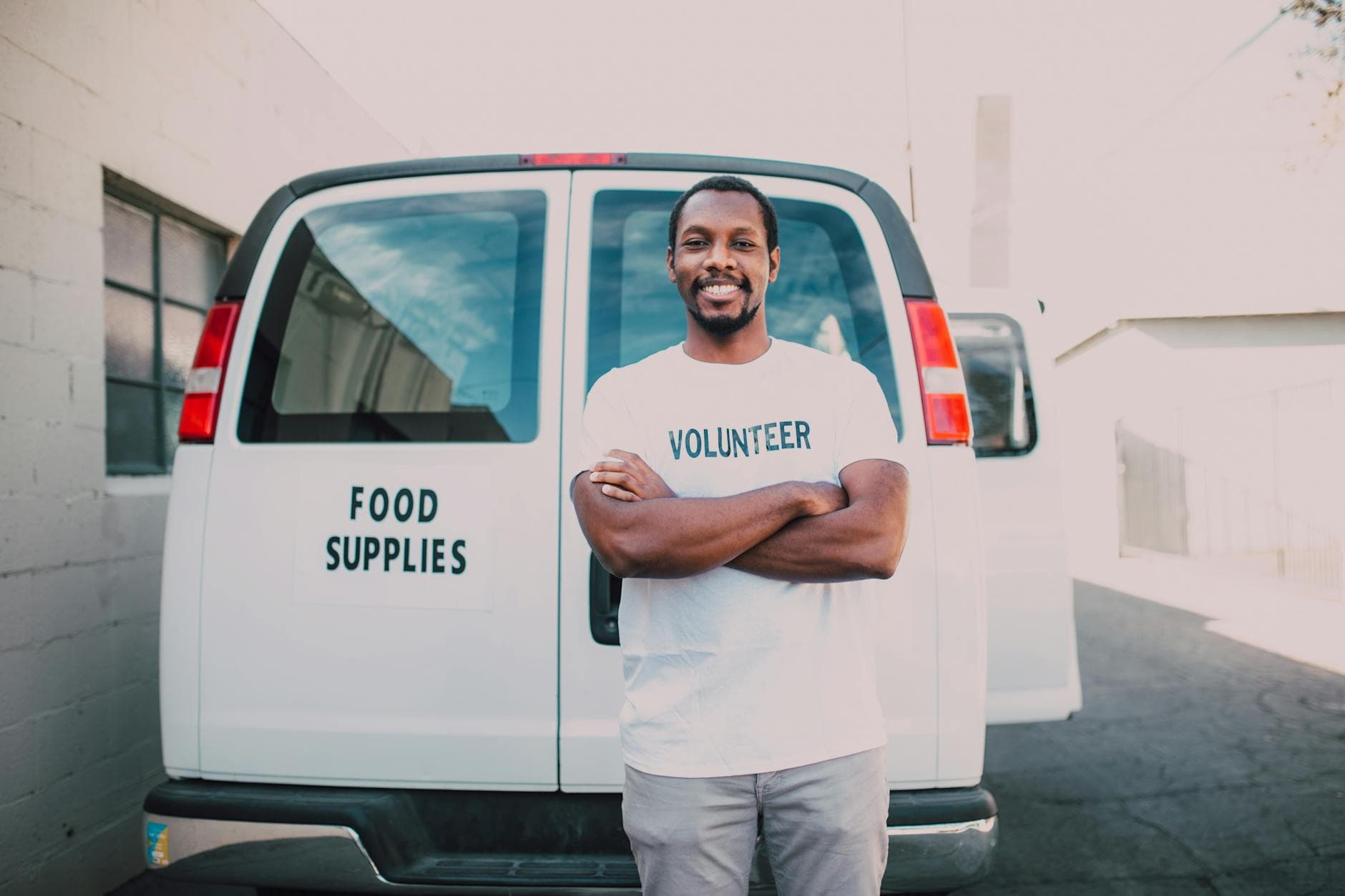
Liability is the third. Food recovery depends on trust, but trust alone does not resolve questions about vehicle use, handling, or coverage when volunteers are on the road. If policy recognizes volunteers as essential labor, nonprofits can advocate for rules that make it easier to insure them properly and protect both the organization and the people doing the work. For a program built on neighbors opening their doors and volunteers showing up with green bags, that kind of stability matters as much as donor outreach.
The real takeaway for coordinators
NPQ’s broader point is not that appreciation is useless. It is that appreciation without policy leaves nonprofits doing essential work with improvised systems. For A Simple Gesture, the difference between a thank-you campaign and a policy agenda shows up in whether a route is covered, whether a volunteer can afford to drive, whether the organization can manage liability, and whether the work is treated as mission-critical.
That is the real shift here. Volunteerism is not a soft layer on top of nonprofit service delivery, it is part of the delivery mechanism itself. For food recovery programs like A Simple Gesture, the next step is to build the public rules that match that reality, so the work can keep reaching kitchens, schools, and pantries without depending on goodwill alone.
Know something we missed? Have a correction or additional information?
Submit a Tip