OSHA urges heat safety plans as A Simple Gesture faces summer risks
Hot-weather shifts can turn food recovery into a duty-of-care problem by noon. A Simple Gesture’s safest summer plan is simple: move earlier, hydrate, rotate, rest, and train for heat illness.
Heat safety is a scheduling decision, not a seasonal footnote
For A Simple Gesture, summer heat is not just a weather problem. It is a route design problem, a volunteer management problem, and a basic duty-of-care issue for everyone who collects, sorts, transports, or distributes food.
That matters because much of this work happens where heat builds fast: parking lots, loading docks, warehouses, and vehicles with limited airflow. A route team can start the morning feeling fine and still run into trouble by noon if the schedule drags, water is not staged, or no one built in a place to cool down. In a mission-driven operation, people often try to power through. That instinct is understandable, but it can also be dangerous.
What OSHA is asking workplaces to do
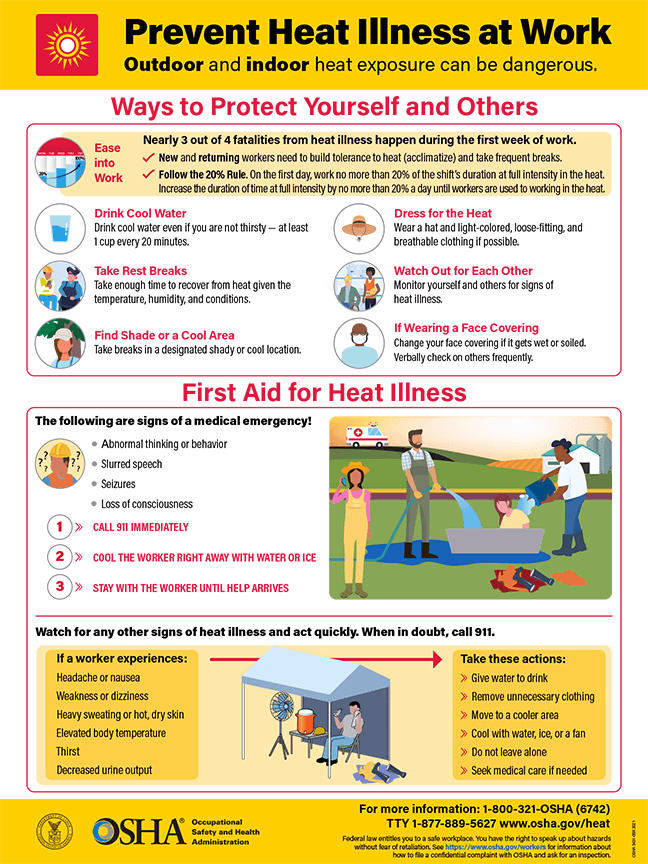
OSHA says workplaces should be free of known safety and health hazards, including heat-related hazards. The agency’s guidance goes beyond common-sense reminders and points to a real management system: develop and implement a heat safety plan, understand the specific hazards in the workplace, calculate heat stress, protect new workers, and use engineering controls, work practices, and personal protective equipment where needed.
The basics still matter most. OSHA emphasizes water, rest, and shade because those are the controls people are most likely to skip when a shift gets busy. Training is part of the plan, too. Workers and supervisors need to recognize the symptoms of heat illness and know how to respond if a heat emergency develops.
Why A Simple Gesture is especially exposed in summer
Food recovery is physically active work, and summer magnifies the strain. Volunteers and staff are often moving bags, sorting donations, loading vehicles, and making repeated stops that leave little time to cool down. Hot conditions also make fatigue harder to spot, especially when people are focused on keeping pickups on schedule and getting donations where they need to go.
That creates a specific risk for A Simple Gesture chapters: the work is mission-centered, but mission pressure can hide early warning signs. A volunteer who is new to route work, new to a pantry partner, or new to hot-weather tasks may not know when to stop. By the time dizziness, headache, confusion, or unusual exhaustion shows up, the shift has already moved from inconvenience to safety concern.
What a usable heat plan looks like in practice
A heat plan works only if it changes the way the day is run. For A Simple Gesture, that means deciding in advance when routes should move earlier, how the team will rotate heavy lifting, where water is stored, and who is responsible for checking on new volunteers. A plan that exists in a binder but does not change pickup timing or route assignments will not protect anyone when the temperature climbs.
It also means treating heat like any other operational constraint. If a route is already long, if the volunteer count is thinner than expected, or if the day includes extra lifting at a pantry or distribution site, leaders should assume the physical load will rise. That is the moment to shorten exposure, redistribute tasks, or build in more recovery time rather than hoping the crew can simply push through.
A simple checklist before hot-weather shifts
Before the first bag is loaded, managers should make a few clear decisions:
- Move the schedule earlier when possible. If a route can start before the heat builds, that reduces time spent working in the worst conditions.
- Stage water where the work happens. Volunteers should not have to hunt for hydration between pickups, sorting, and loading.
- Set rest breaks before the shift starts. Recovery time should be planned, not negotiated after someone is already overheated.
- Create shade and cooling stops. If there is no natural shade at a pickup point or loading area, the plan should name where people can cool off.
- Rotate heavy lifting. Repeated hauling is harder on hot days, especially for newer volunteers who are still learning the pace of the route.
- Check on new volunteers early and often. New workers are more vulnerable because they may not recognize the early signs of heat illness or may be reluctant to slow down.
- Assign a heat lead. One person should be responsible for monitoring conditions, watching for symptoms, and making the call to pause or adjust work.
- Know the stop-work trigger. If someone shows dizziness, headache, confusion, or unusual exhaustion, the shift should shift immediately from production mode to care mode.
Training cannot be optional
Heat safety belongs in onboarding, not as an afterthought when the first hot week arrives. A Simple Gesture already depends on people who care enough to volunteer their time, and that makes training even more important because commitment can sometimes mask risk. Workers and route leaders need to know what heat illness looks like, how to describe it, and what to do if a person suddenly seems disoriented or much more tired than expected.
This is especially important in volunteer programs, where people may not have the same workplace instinct to speak up about discomfort. If the culture prizes pushing through, then leaders have to counterbalance that message with a simpler one: slowing down is part of doing the job safely.
The operational payoff
A heat plan is not just about avoiding emergencies. It helps preserve route reliability, reduces the chance of last-minute volunteer drop-off, and protects the people who make food recovery possible. It also strengthens trust with pantry partners and community recipients, because a safer crew is a steadier crew.
For A Simple Gesture, the summer challenge is straightforward: build the heat plan into the work itself. When water, shade, rest, training, and route timing are treated as core operating decisions, the organization protects both the mission and the people carrying it out.
This article was produced by Prism’s automated news system from verified source data, official records, and press releases, then run through automated quality and moderation checks before publishing. The system is built and supervised by the people who set the standards it runs under. Read our full AI policy.
Did this article answer your question?