ReFED awards $2 million to food waste solutions at summit
ReFED put $2 million behind nine methane-cutting projects, signaling that funders still want food-waste fixes with measurable scale.
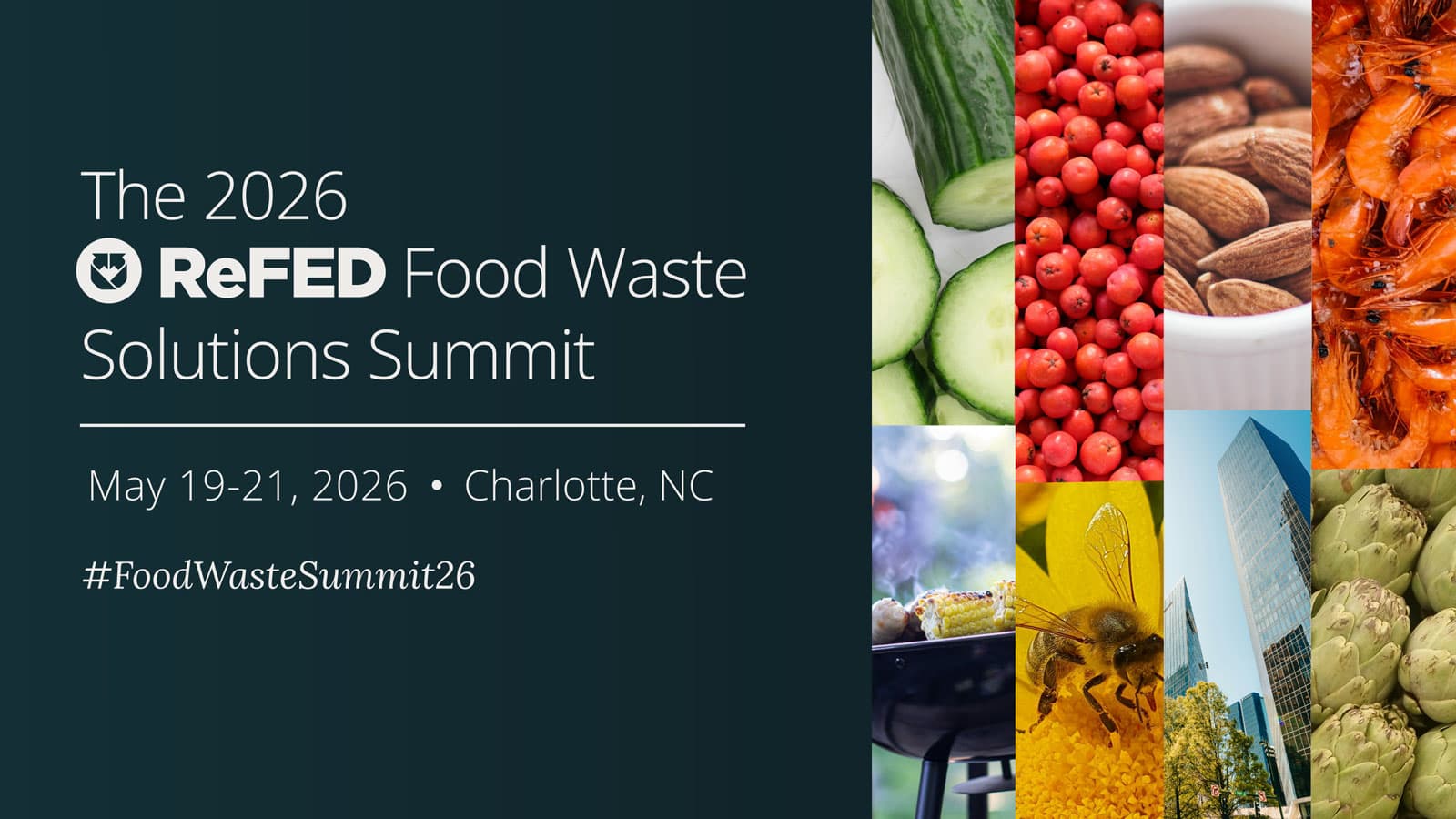
Capital is still moving toward the mechanics of food-waste reduction, and ReFED’s latest $2 million grant cohort showed exactly where it is going: composting infrastructure and climate-smart work in the beef and dairy sectors. The announcement came May 20 at the ReFED Food Waste Solutions Summit in Charlotte, where the nine-organization cohort was introduced as part of a broader push for food-system solutions that can actually be deployed at scale.
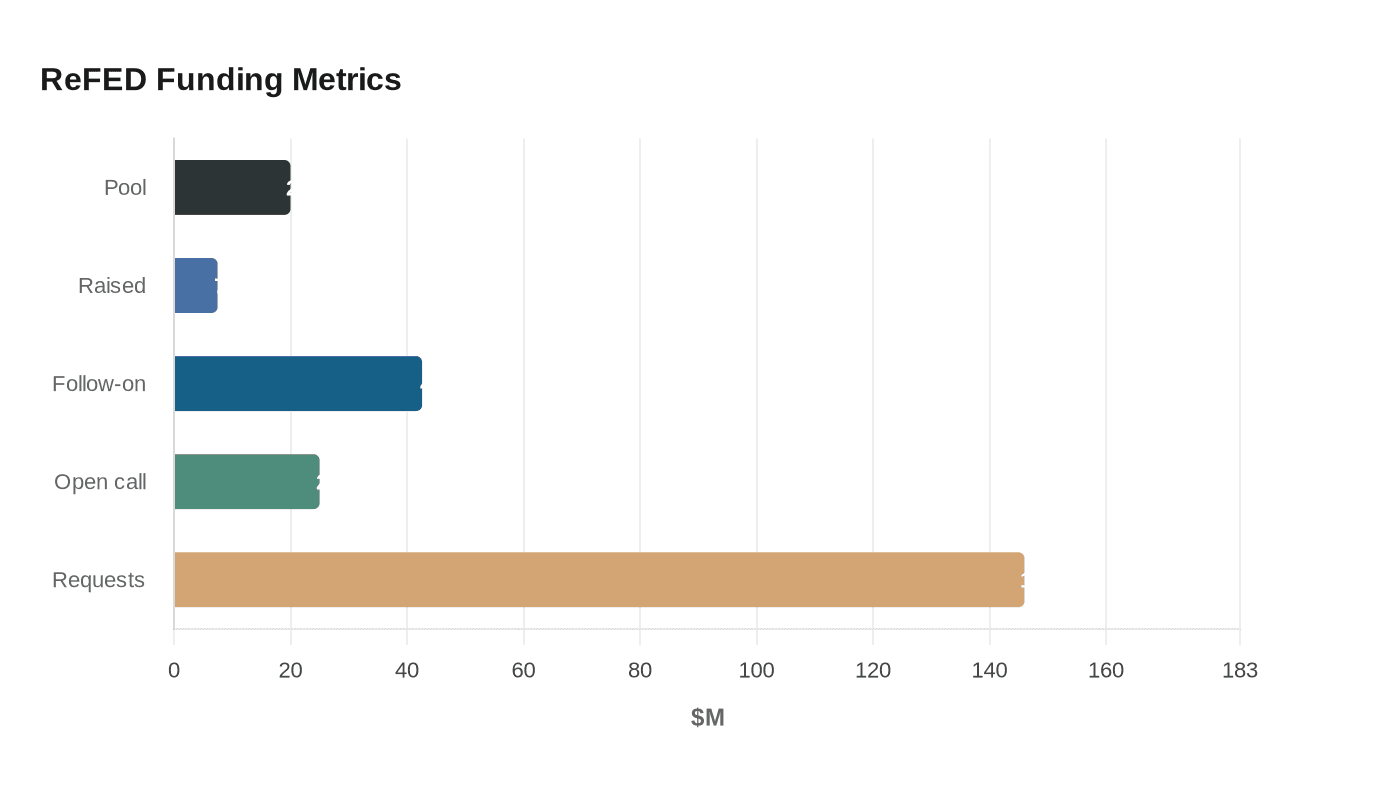
ReFED said the Catalytic Grant Fund backs food-waste solutions with recoverable and non-recoverable grants, plus hands-on support, to de-risk projects with outsized climate potential. The fund’s total capital pool is up to $20 million. Since launching in 2022, ReFED said it has supported 21 grantees, raised more than $7.5 million, and generated more than $42.6 million in follow-on funding, which it describes as a 13x multiplier effect. The signal for operators is clear: funders are rewarding projects that can prove they work, attract more capital, and move food more efficiently before it becomes waste.

That appetite has not been small. ReFED said an earlier 2025 open call focused on on-farm food loss drew more than $25 million from over 100 applicants. In 2024, the organization said requests across the first three years of the fund totaled more than $146 million. ReFED has also said scaling food recycling and diversion is one of the most immediate, cost-effective ways to cut methane today, while reducing loss in beef and dairy can deliver longer-term climate gains.
For A Simple Gesture, the funding story matters because the same logic applies to neighborhood recovery work. The Guilford County chapter says it was established as a 501(c)(3) in 2015, building on the original program Jonathan and Karen Trivers started in Paradise, California, in 2011. As of December 2025, the group said it had donated more than 8,000,000 child-size meals worth $13,000,000, supported 75-plus pantry partners, worked with 3,900-plus recurring food donors, and mobilized 200 monthly volunteers.
That scale depends on the kind of operational discipline ReFED is funding elsewhere: door-to-door pickups, corporate pickups, food recovery pickups, pantry coordination, storage, timing, and route planning. The lesson for A Simple Gesture’s next chapter growth is not just that mission language matters, but that measurable diversion, repeatable logistics, and strong partner systems are what continue to win backing in the food-waste sector.
Know something we missed? Have a correction or additional information?
Submit a Tip