ReFED report says food waste remains a systems problem, despite progress
ReFED says U.S. surplus food fell to 70 million tons in 2024, a sign of progress that still leaves recovery groups with broken logistics and lost meals.
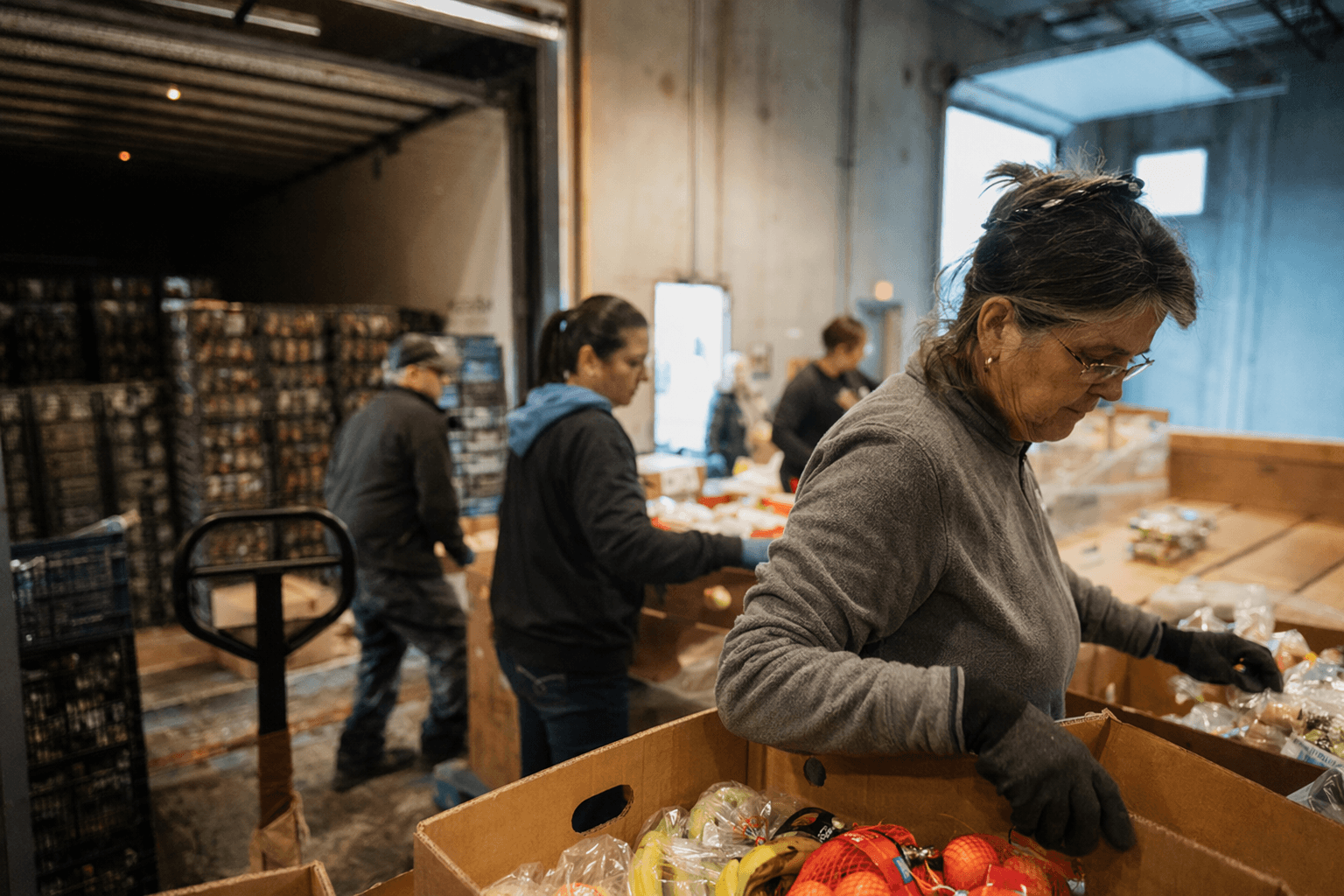
Food waste is no longer just a sustainability problem. For A Simple Gesture, it is a routing problem, a storage problem and a hunger-relief problem that shows up in lost meals, extra handling time and donations that never make it into a pantry.
ReFED’s 2026 U.S. Food Waste Report says U.S. surplus food totaled 70 million tons in 2024, down 2.2% from 2023. ReFED described that as the first year-to-year drop in total food that went unsold or uneaten since a pandemic-related dip, a sign that change is possible even as nearly one third of all food in the United States still moves through a waste-heavy system.
The decline matters because it points to where the leverage is. Sustainable America said nearly 950,000 tons of the reduction came from residential food waste, helped by more meal preparation changes and greater use of leftovers as food prices stayed elevated. The same summary said the avoided emissions were equal to taking about 844,000 cars off the road. ReFED’s framing is blunt: affordability and food prices remain top of mind, and waste reduction is really about redesigning the system that moves food from farm to fork.
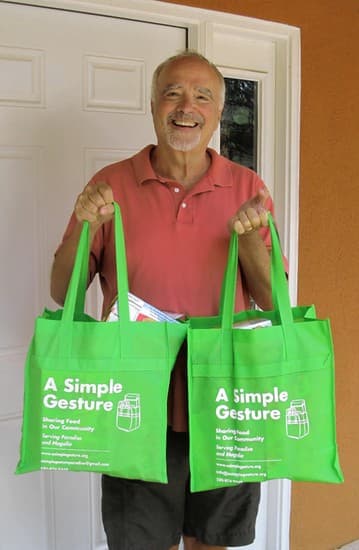
That is where A Simple Gesture fits. The nonprofit rescues edible food from businesses and delivers it to local nonprofits, which means every missed pickup, every poorly packed donation and every delay in partner coordination has a downstream cost. For a green bag route, the hidden math is bigger than one box of produce or canned goods. It is the meal that was never recovered, the volunteer stop that took longer than planned and the pantry delivery that arrived after the shelf was full.
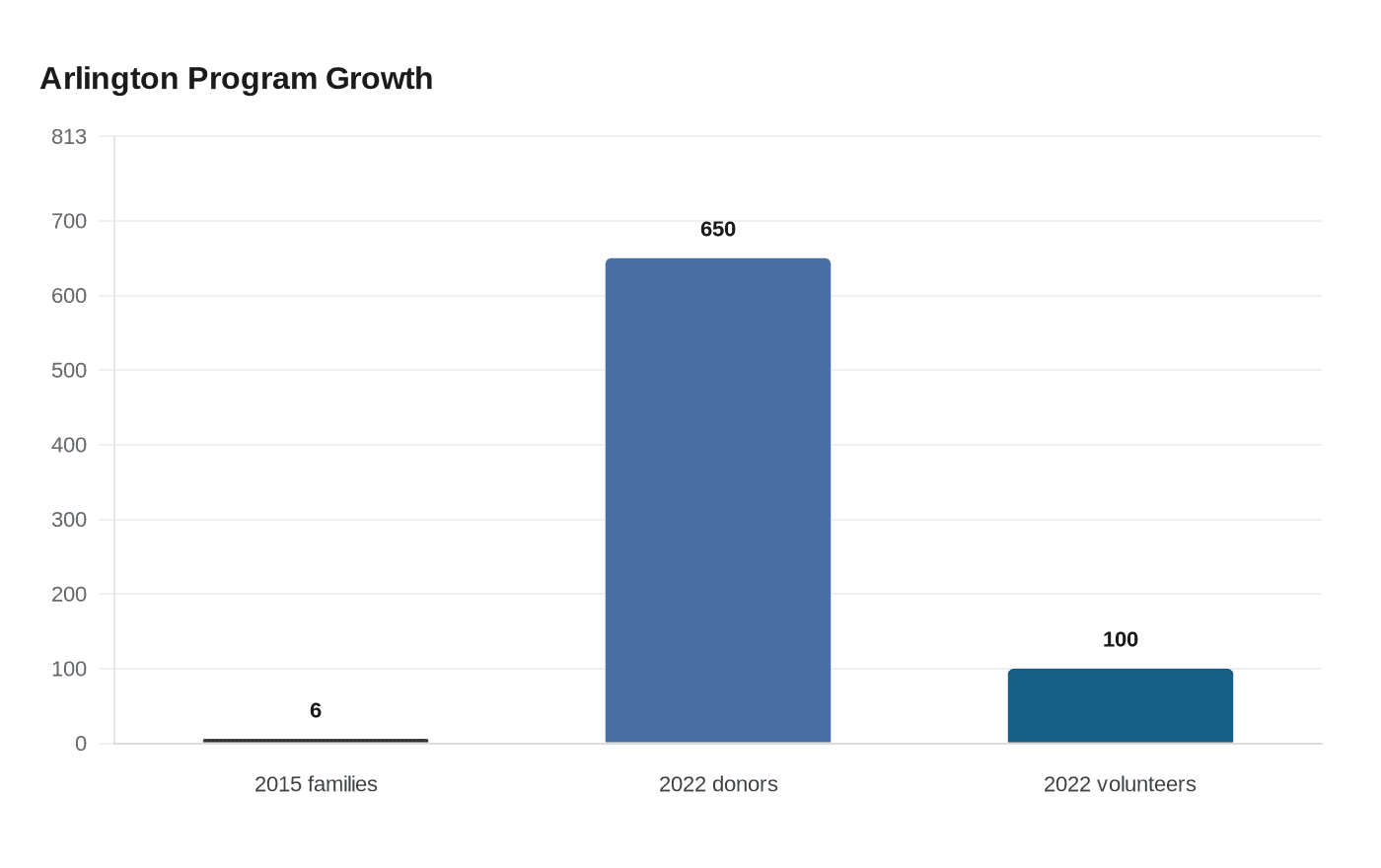
The scale of that system is growing. A Simple Gesture says its network has more than 60 chapters across the country and has provided over 7 million meals. Another history page says the group aims to add 900 new chapters by the end of 2035 and 450 million pounds of food to the donation system. In Arlington, the model began in 2015 with six families and grew to 650 donors and 100 volunteers by 2022, a reminder that a neighborhood pickup program can become a real food-recovery channel when the logistics work.
That makes the operational details matter. Volunteer pickup work requires a clean personal car, smartphone use and the ability to lift 20-pound boxes. Those are small requirements, but they shape recruitment, retention and route design. ReFED’s report gives A Simple Gesture a stronger case for tracking what gets wasted before it ever reaches a curb, because the best recovery systems do not just move food. They reduce the waste that keeps food from moving in the first place.
This article was produced by Prism’s automated news system from verified source data, official records, and press releases, then run through automated quality and moderation checks before publishing. The system is built and supervised by the people who set the standards it runs under. Read our full AI policy.
Did this article answer your question?