Summer meals campaign highlights rising child hunger in Southeast Missouri
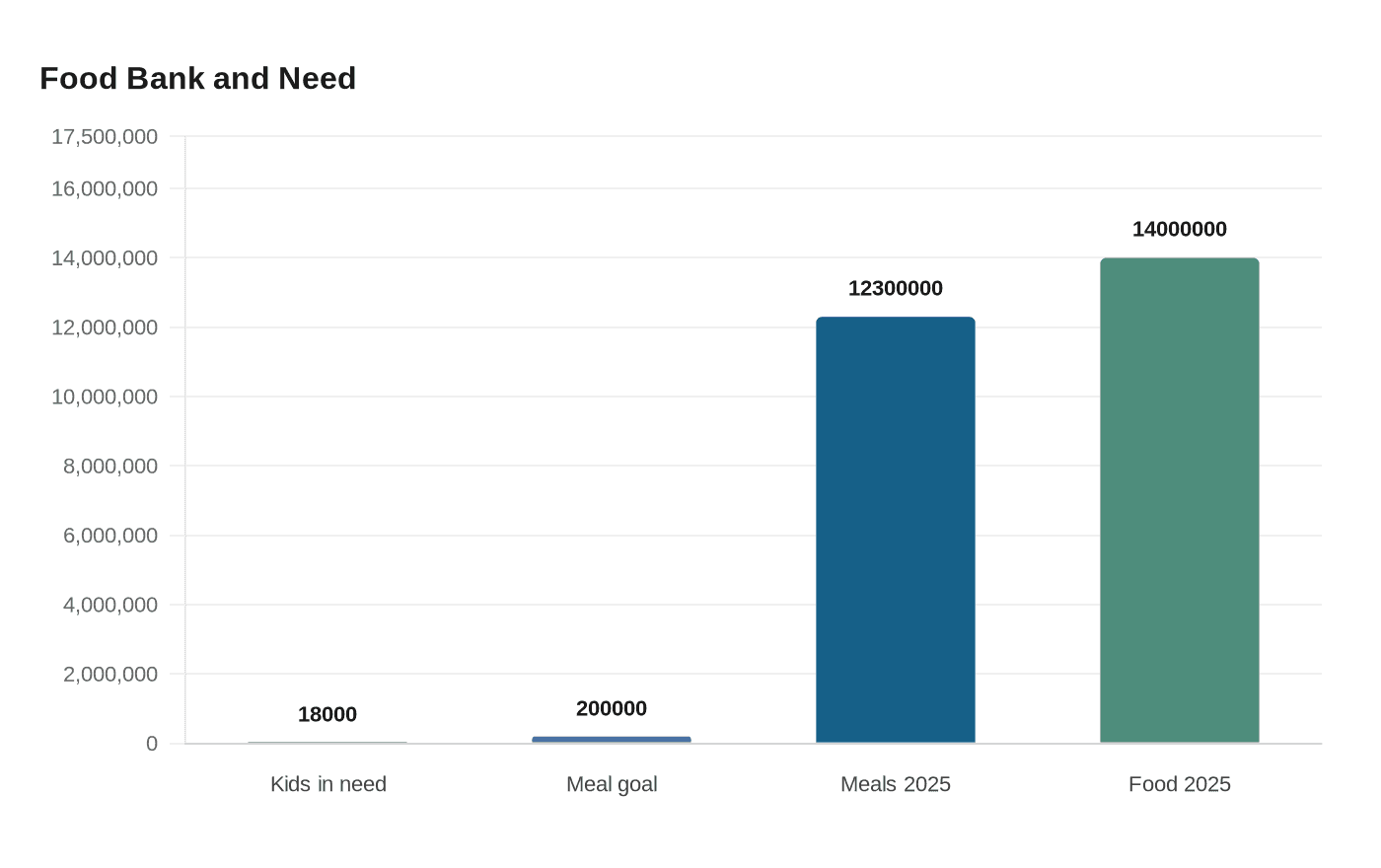
Southeast Missouri Food Bank launched a summer push for 200,000 meals as school let out, with more than 18,000 children facing food insecurity across the region.
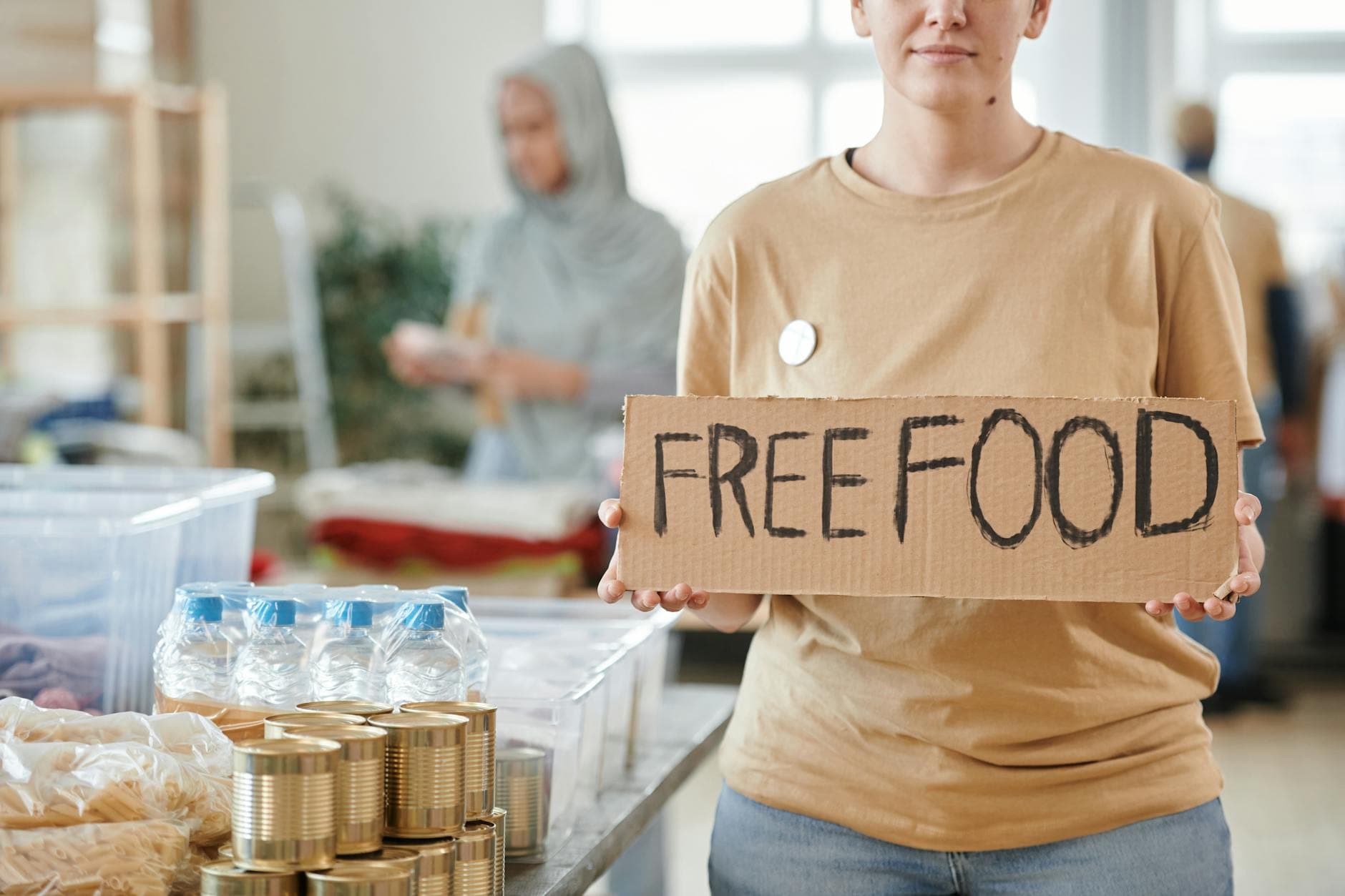
When school meals disappear, the gap shows up fast in Southeast Missouri. The Southeast Missouri Food Bank launched its Summer Meals for Kids campaign on May 13 with a goal of delivering 200,000 meals to children across the region before summer demand peaks.
The scale of the need explains the urgency. Local coverage has put the number of children facing food insecurity in Southeast Missouri at more than 18,000, or about one in four children. The food bank says that kind of pressure does not wait for a crisis; it arrives every year when breakfast and lunch programs shut down and families have to cover more meals at home.
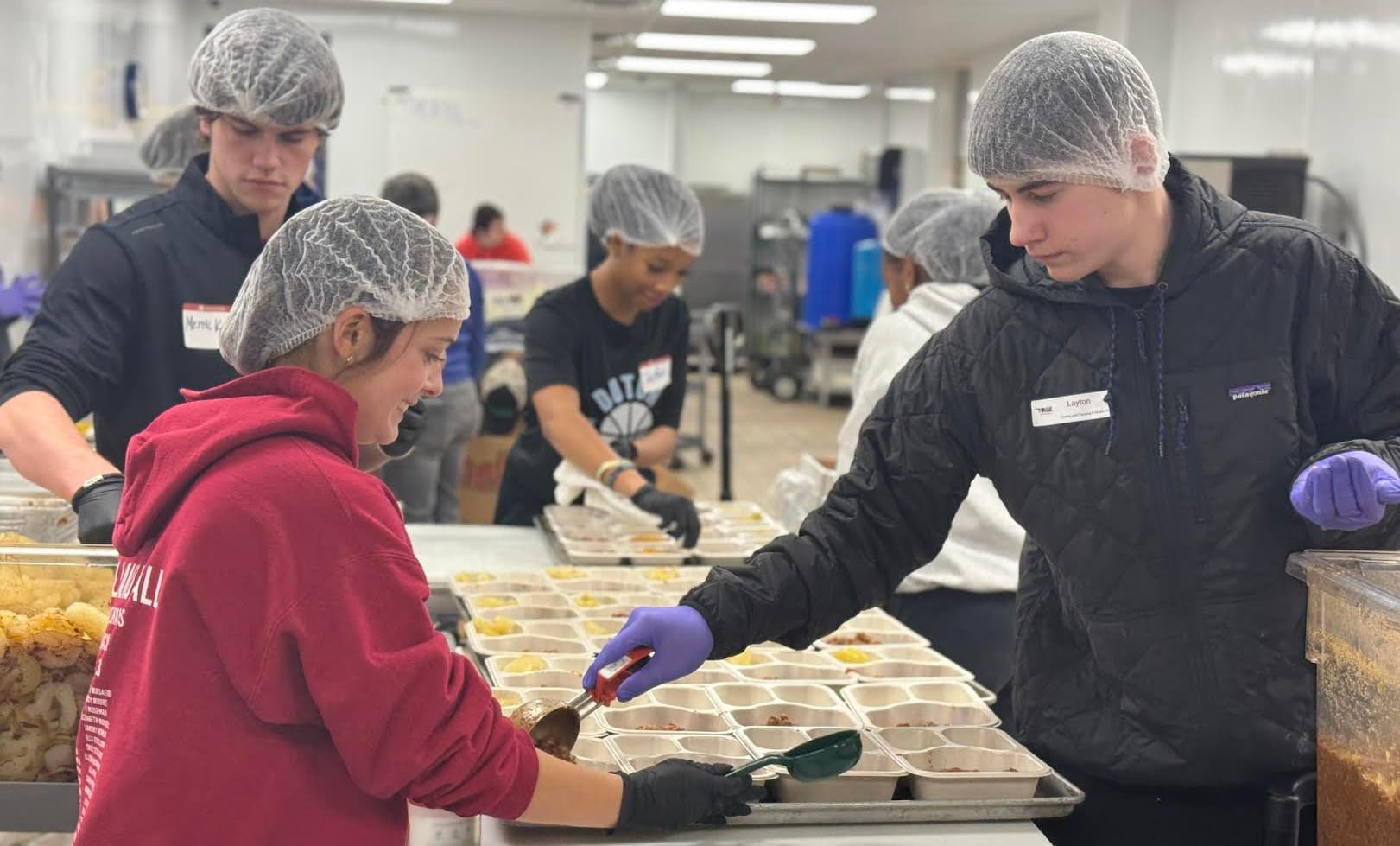
For a food-recovery organization, that means summer is not just a slower version of the school year. It is a different operating season altogether. Volunteers, pantry partners and distribution sites have to adjust around camp schedules, neighborhood travel patterns and the absence of school-based meal access. In practice, that can affect everything from pickup timing to the mix of food going out the door.
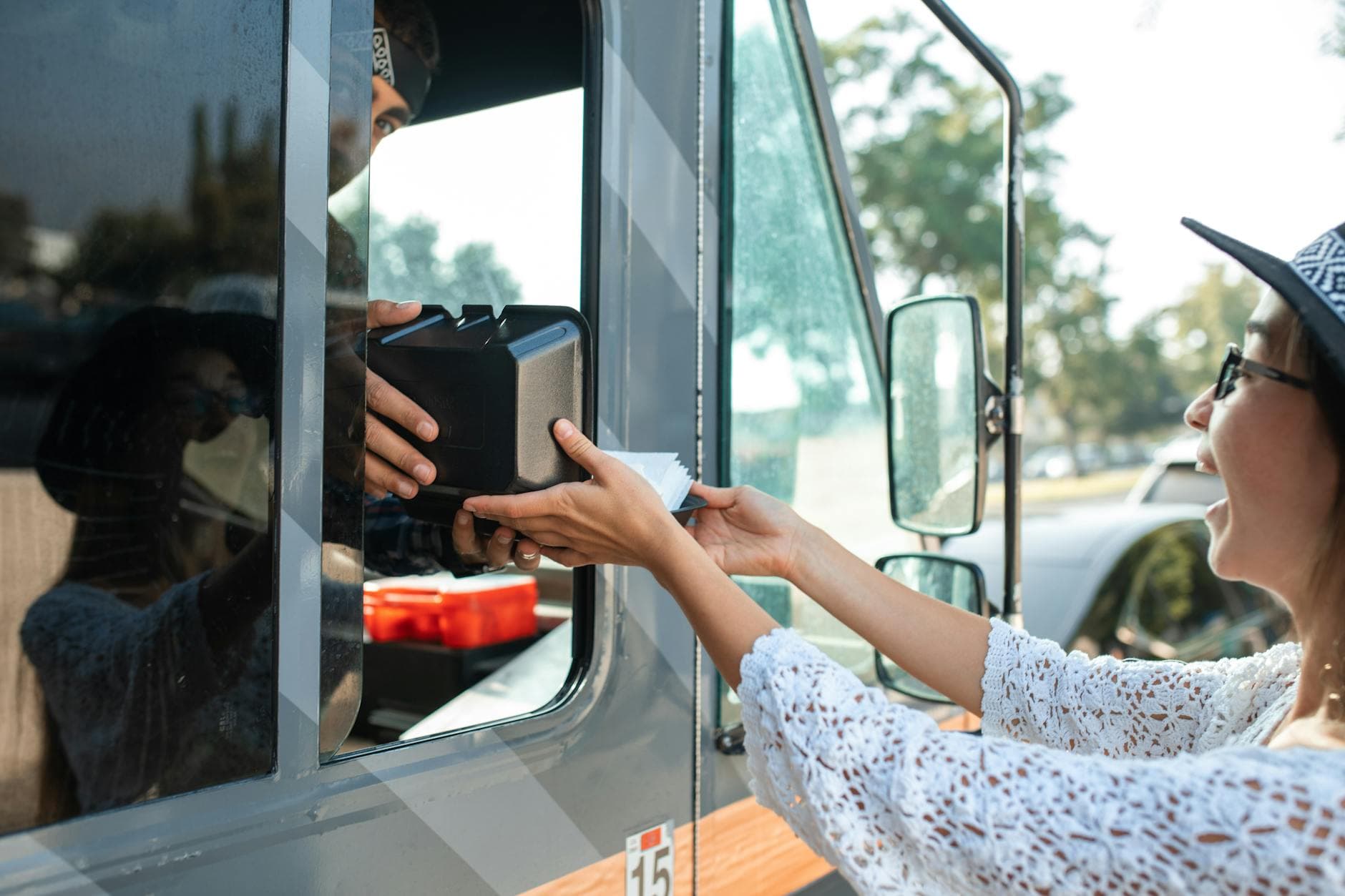
The Southeast Missouri Food Bank is built for that kind of shift. Founded in 1985, it serves 16 counties, reaches about 80,000 people each month and distributes roughly one million pounds of food monthly. Its network includes about 140 member agencies, among them pantries, soup kitchens and shelters, along with direct-service programs such as Backpack for Fridays, Mobile Food Pantries and ABC Pantry.
The summer campaign also comes at a moment when the organization is scaling up. In its 2025 annual report, the food bank said it distributed 14 million pounds of food and provided 12.3 million meals across its 16-county service area, and it planned a 30% increase in food purchases for 2026. It also says $1 can help provide 4 meals, a figure that makes the summer push easy to translate into donor support.
Federal summer nutrition programs help, but they do not erase the gap. The U.S. Department of Agriculture says SUN Meals provide free meals and snacks for children 18 and under at approved sites, and SUN Bucks offers a $120 grocery benefit per eligible school-age child when school is out. Even so, transportation barriers, uneven site access and family schedules still leave room for local food banks to absorb demand.
For A Simple Gesture and other doorstep-donation programs, the message is practical: summer hunger is predictable, seasonal and operational. The organizations that plan their routes, volunteers and pantry partnerships early are the ones most likely to keep food moving when school ends and need rises.
Know something we missed? Have a correction or additional information?
Submit a Tip