Tarrant Area Food Bank’s partnership model streamlines healthier food sourcing
Tarrant Area Food Bank turned three-way logistics into more fresh food, less waste, and a cleaner ordering process. Smaller recovery groups can copy the role split, not the scale.
A regional model built around one ordering door
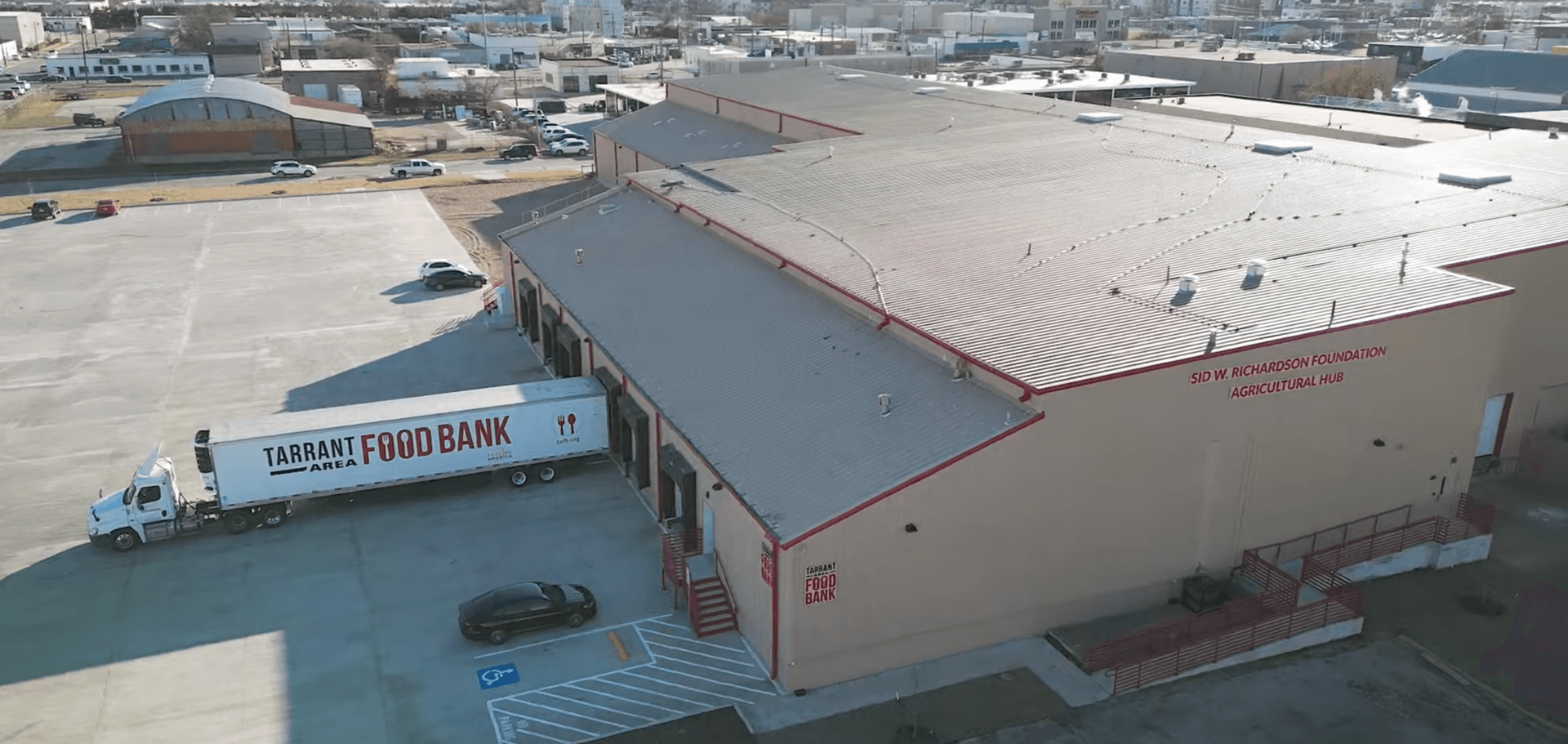
Tarrant Area Food Bank has turned a Fort Worth-based warehouse operation into a regional sourcing hub that lets nearby food banks place highly customized orders in one place. Those orders can include produce, meat, dairy, and healthy non-perishables, and they can move out as boxes, pallets, or partial truckloads depending on what a partner needs. The practical shift is simple but powerful: instead of every organization trying to patch together its own supply chain, one networked system handles the complexity.
That matters because the food bank is not just moving volume. It is trying to move the right food, in the right format, with enough consistency that pantries and other agencies can plan around it. In a sector where donations still matter but purchasing is increasingly important, the model shows how a food bank can control quality and timing more effectively than it can through donations alone.
How the three partners divide the work
The model works because each partner owns a distinct part of the chain. Fresh Connect Central says Tarrant Area Food Bank provides the warehouse space and physically handles all product. The Collaborative for Fresh Produce supplies donated and PPO fresh produce, while Fresh Connect Central supplies purchased protein, dairy, and dry goods and serves as the operator and customer-facing ordering entity.
That division is the real blueprint for anyone trying to replicate the approach. The warehouse partner does not have to become a sales shop, the produce partner does not have to manage every downstream order, and the ordering operator does not have to own all the storage and labor. For a smaller regional food recovery group, that means mapping the work into three clean buckets: inventory and handling, supply sourcing, and customer-facing order management.
The stronger lesson for local operators is that collaboration is not just about goodwill. It is about making the system legible enough that staff, volunteers, and agency partners know who handles what. That clarity reduces friction, especially when routes, pickups, deliveries, and pantry demand are changing week to week.
What changed in the food on the ground
The biggest measurable gain is in fresh produce. The mixing center increased the share of fresh produce distributed across Tarrant Area Food Bank’s agency network from 23 percent to 41 percent. Earlier reporting said the new agricultural hub was expected to raise produce from about 27 percent of distributed food to about 35 percent, and that the hub was designed to store and distribute up to 45 million pounds of fruits and vegetables a year. Taken together, those figures show a model that is not just more efficient, but more nutrition-forward.
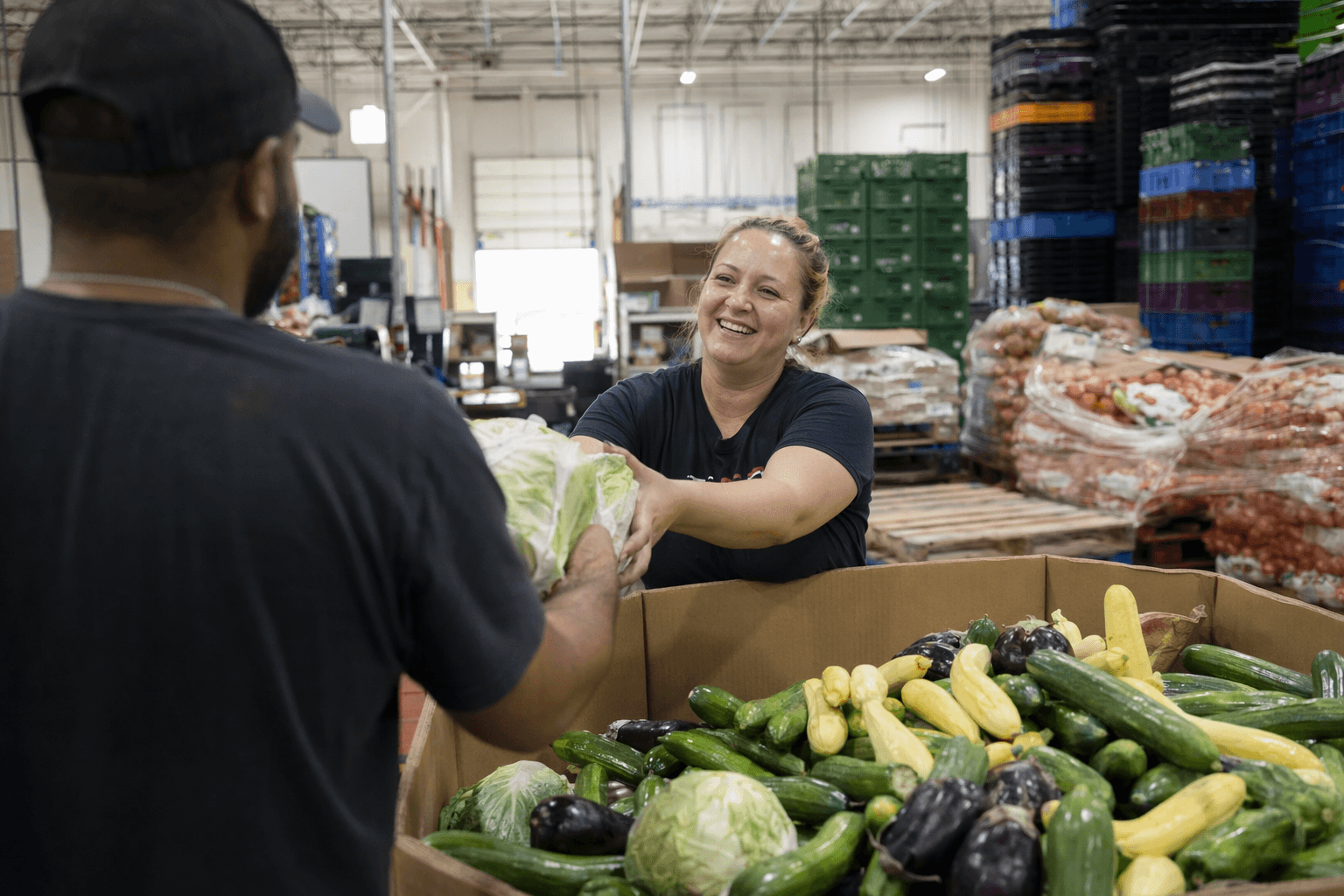
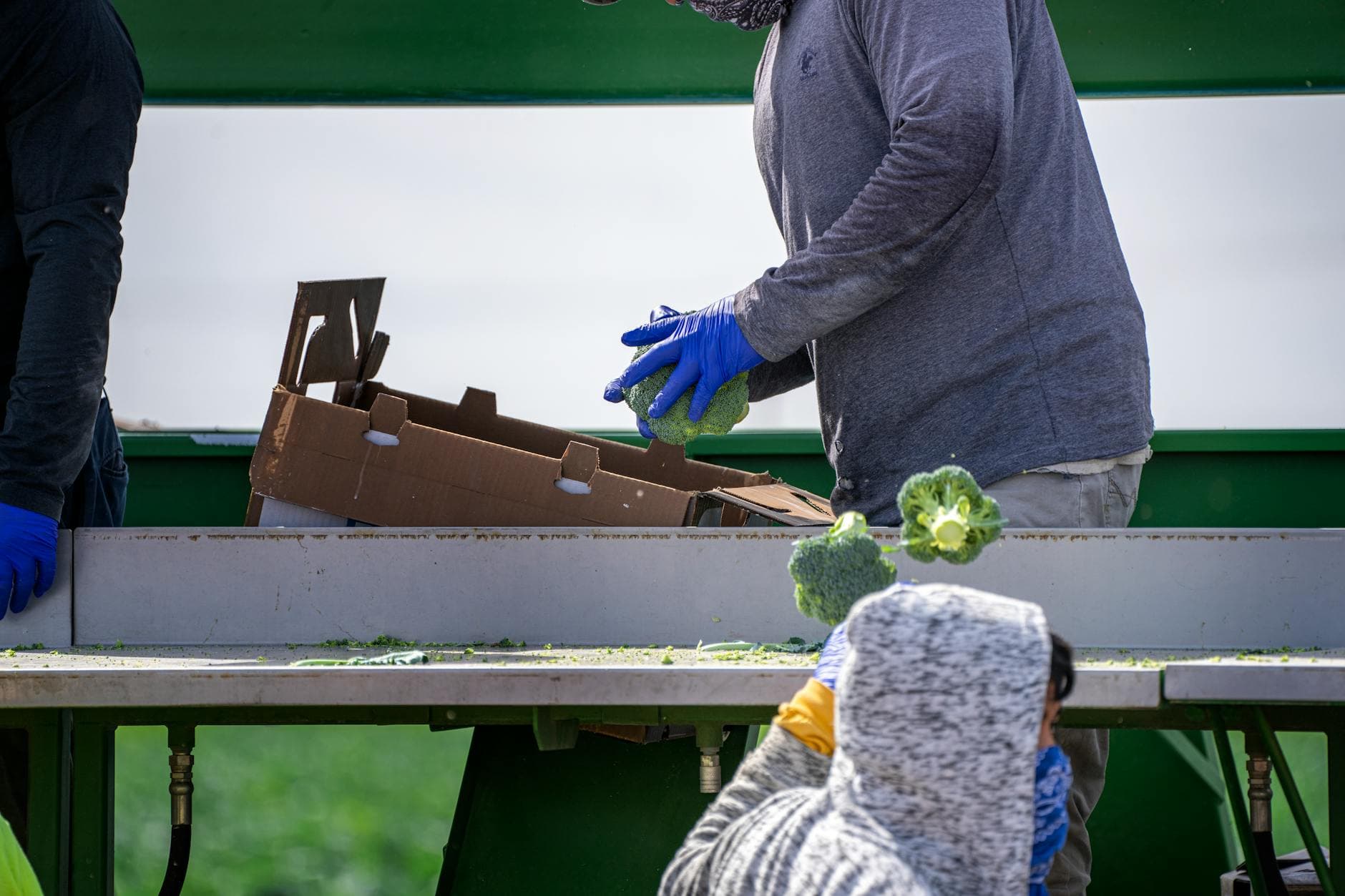
Feeding Texas says the Collaborative for Fresh Produce works directly with growers to source fresh produce that would otherwise be rejected by retailers and often go to waste. That is a supply-side advantage as much as a hunger-relief one. Instead of treating surplus and cosmetically imperfect produce as a problem to be managed later, the network builds a pathway that turns it into usable inventory for agencies and pantries.

For A Simple Gesture-style teams, this is the part worth copying first. Fresh food often becomes the weak link in donation networks because it is harder to sort, store, and deliver predictably. A partnership structure that separates sourcing, handling, and ordering can make perishables feel operationally manageable instead of chaotic.
Why the scale matters in North Texas
Tarrant Area Food Bank’s reach gives the model weight. The organization serves 13 counties in North Texas and works with about 500 community partners. It says it distributes more than 1 million meals each week to roughly a half million residents facing food insecurity, and it also says that $1 can provide food for five meals. Founded in 1982, the food bank reported in fiscal 2024 that it provided access to 55 million nutritious meals, or 62 million pounds of food, through partner agencies, mobile solutions, nutrition education, and social service programs.
Those numbers show why logistics discipline matters. When a network is moving food at that scale, small inefficiencies add up quickly, whether the bottleneck is warehousing, purchasing, delivery format, or the wrong mix of product. The partnership model gives the food bank a way to widen access without asking every agency partner to become an expert in sourcing, storage, and procurement.
Julie Butner’s background helps explain why the organization has leaned so hard into operations. She joined Tarrant Area Food Bank in January 2020 after a career in healthcare and hospitality focused on food, nutrition, and supply chain strategy. That combination fits a model built around throughput, product quality, and system design rather than charity alone.
What smaller groups need to copy
A smaller regional food recovery group does not need Tarrant Area Food Bank’s footprint to borrow the structure. The most transferable pieces are the clear role split, the central inventory point, and the ability to source a more balanced mix of fresh and shelf-stable foods through one ordering system. If a chapter can coordinate one warehouse, one supplier partner, and one operator-facing ordering layer, it can start to smooth the same problems Tarrant Area Food Bank is solving at scale.
The second thing to copy is the measurement discipline. The value of the model is visible because it can show output in produce share, meal volume, pounds moved, and regional reach. That kind of proof is what helps staff keep partners aligned, what helps volunteers see their work as part of a bigger system, and what helps a nonprofit argue for investment when federal funding tightens.
In a food sector under pressure, the winning move is not to do everything alone. It is to build a structure that lets each partner do the piece it does best, while the whole network delivers more nutritious food with less waste and more control.
Know something we missed? Have a correction or additional information?
Submit a Tip