Volunteer driver safety and nonprofit best practices for operations teams
Volunteer driver programs work if ops teams layer screening, training, vehicle checks, insurance clarity, and a clear incident chain of command.
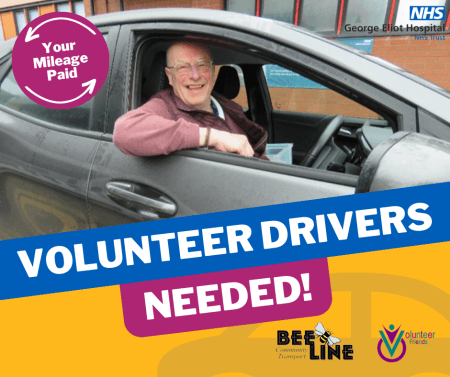
Volunteer driving can fill critical service gaps, getting seniors to appointments, moving supplies, and delivering meals, but it raises distinct safety and liability exposures. Below are 14 operational priorities drawn from sector guidance and insurer recommendations that A Simple Gesture’s operations team can implement now, with concrete steps, training resources, and contact points.
1. Training and micro-training materials
Develop a mix of short micro-trainings and a standardized curriculum. Use the Volunteers Insurance Service Association’s “Preventer Papers” collection, 24 papers on vehicle safety and 19 on injury prevention, as five-minute, one- to two-page modules for recurring group or one-on-one training sessions. Supplement those quick sessions with a formal training curriculum recommended by Arthur J. Gallagher & Co., which should cover safe driving practices, emergency procedures, and organization-specific needs so drivers handling passengers or unusual routes get consistent instruction.
2. Screening, vetting, and driver records
Pull Motor Vehicle Records (MVRs) for all new drivers and run annual MVRs on current drivers to manage exposure linked to miles driven. Establish a written policy that defines which driving infractions disqualify a volunteer; PBPOhio explicitly recommends reviewing driving records before allowing volunteers to drive. Reinforce license verification as a basic gate: verify that each volunteer has a current, valid driver’s license before onboarding.
3. Driver experience, role-based training, and minimums
Set explicit minimum experience requirements and tailor training by role. AJG advises nonprofits to establish standards such as years of driving experience or a clean driving record, and to create role-based modules, NRMC highlights that drivers transporting children or vulnerable adults require additional, specialized training compared to drivers who transport materials only. Make role assignment part of onboarding documentation so ops staff can audit who is qualified for which routes.
4. Vehicle maintenance and maintenance records
Require routine maintenance and supporting records whether volunteers use personal vehicles or fleet vehicles. AJG’s guidance stresses checks of brakes, tires, lights, and other essential components and says nonprofits must require drivers to provide regular maintenance records; PBPOhio similarly insists that volunteers using personal vehicles “maintain the vehicle in good condition.” Build a simple maintenance log template and require periodic submission (for example, at annual re-enrollment).
5. Insurance, liability, and written agreements
Clarify which insurance applies on each trip and identify coverage gaps up front. Charity First and AJG both emphasize educating nonprofits about what the organization’s auto insurance will and won’t cover and the importance of personal automobile insurance for volunteers. Use written agreements and, where appropriate, a liability release that specifically addresses higher-risk passenger transport (PBPOhio’s guidance flags transporting individuals with violent histories or animals with unpredictable behavior as areas requiring particular attention).
6. Policies, standards of conduct, checklists, and pledges
Put standards in writing and have volunteers sign them before driving for you. PBPOhio’s standards-of-conduct fragments include requirements like not driving under the influence and not driving when fatigued; NRMC recommends a Volunteer Driver Pledge to set expectations and secure cooperation. Use NRMC’s language where applicable: “As a volunteer for [Name of Nonprofit], I understand that my safety and the safety of others is paramount. I understand that driving as a volunteer is a privilege, not a right, and therefore, I agree to:” and include the pledge clause: “And, if involved in an accident, I agree to complete an Accident Report provided by [Name of Nonprofit] and to cooperate with the police, my supervisor, and [Name of Nonprofit]’s insurer, its insurance adjusters and attorneys.”
7. Incident response, reporting, and chain of command
Define the chain of command for every incident and train volunteers to follow it. CTAA stresses that “when incidents occur … it’s important that you already have in place the procedures for reporting and dealing with those incidents in an effective and timely way. The chain of command is very important. Make sure volunteers know that if there is a traffic accident, injury, or a potential liability situation, they are to report it to their supervisor.” Require completion of an internal Accident Report and cooperation with law enforcement, supervisors, and insurers as part of onboarding.
8. Common causes of volunteer driver incidents (and a sobering example)
Design training to counter the causes that show up most often: intersection crashes, improper turns, lane errors, and poor visibility. CTAA lists intersection accidents, left turns without right of way, turning from the wrong lane, running stop signs, and poor visibility in inclement weather as frequent causes; it notes a 2012 fatality where “a volunteer was killed in 2012 in such an accident, and the two occupants of the other vehicle were seriously injured.” Use those scenarios in simulator exercises, route briefings, and Preventer Papers micro-lessons.

9. Special populations and elevated risk
Treat trips with children, seniors, and vulnerable adults as higher risk and require extra controls. NRMC and Charity First both call for role-specific precautions and specialized training for drivers who transport vulnerable passengers; PBPOhio adds that volunteers transporting passengers with violent histories or animals with unpredictable behavior may require a revised liability release or extra screening. Track these assignments in operations dashboards so only qualified volunteers accept those rides.
10. COVID-19 and shared-transportation guidance
Instruct volunteers on current shared-transport practices for infectious disease safety. PBPOhio explicitly recommends encouraging safe practices per CDC guidance for shared transportation, including mask use when volunteers drive people outside their households. Make updated guidance part of your refresher communications and supply PPE as needed for rides.
11. Drowsy and distracted driving prevention and behavioral controls
Make behavioral controls a formal part of standards and training. AJG lists drowsy and distracted driving prevention among the essential practices nonprofits should implement; PBPOhio’s standards explicitly bar driving under the influence and require volunteers to avoid driving when fatigue would make driving unsafe. Add policies on phone use, route scheduling that avoids excessive miles in a single shift, and mandatory breaks for long drives.
12. Personal versus nonprofit-owned vehicles and permitted uses
Differentiate rules and documentation depending on vehicle ownership. PBPOhio requires volunteers using personal vehicles to keep them in good condition and mandates that nonprofit-owned vehicles be used only for volunteer services, not personal trips. Clarify which insurer is primary in each scenario, and include permitted-use language in volunteer vehicle agreements so auditors can verify compliance.
13. Administrative practices and ongoing monitoring
Operationalize annual checks, monitoring, and a disqualification policy. Charity First and NRMC recommend annual MVR checks on current drivers; PBPOhio suggests establishing a clear policy that specifies which driving infractions will disqualify a volunteer. Combine periodic MVR pulls, incident tracking, and refresher trainings into an annual compliance calendar and assign ownership to a named supervisor to enforce standards.
14. Practical tools, contacts, and where to get help
Build your toolkit from ready-made sector resources and insurer guidance. Use Preventer Papers for quick modules and CTAA’s sample risk policy, contact William Henry at 800.222.8920 or whenry@cimaworld.com for a one-page sample. For insurance program design and questions about organizational coverage, Charity First can be reached at 800-352-2761 or marketing@charityfirst.com; Arthur J. Gallagher & Co.’s materials (copyright 2024) are a useful reference on maintenance records and curriculum design; and the Nonprofit Risk Management Center’s “Risk on the Road” article and sample Volunteer Driver Pledge provide practical templates for operations teams to adapt.
Conclusion Protecting volunteers, clients, and the organization is not about eliminating volunteer driving, it’s about making it predictable and auditable. Layer screening, role-based training, maintenance checks, clear policies and pledges, and an unambiguous incident chain of command; use Preventer Papers and NRMC templates to scale training; and treat annual MVRs and maintenance logs as non-negotiable. With these controls in place, A Simple Gesture can preserve the cost advantages of volunteer drivers while substantially reducing both the human and legal risks those programs invite.
This article was produced by Prism’s automated news system from verified source data, official records, and press releases, then run through automated quality and moderation checks before publishing. The system is built and supervised by the people who set the standards it runs under. Read our full AI policy.
Did this article answer your question?