Volunteer recruitment, retention, and route logistics for doorstep pickup programs: Practical guidance for A Simple Gesture staff
A driver mid-route with a packed vehicle and no backup plan is a preventable failure. Here's how A Simple Gesture chapters build the operational systems that stop it from happening.
A Saturday driver is three-quarters through her route when the problem becomes undeniable: the back of her SUV is stacked with green bags, heavier than expected, and eight stops remain. The pantry receiving window closes in 45 minutes. There's no backup driver listed in her manifest, no route lead phone number on the page, and no documented overflow protocol. She starts making judgment calls, skipping stops, estimating. Food sits uncollected on doorsteps. The pantry comes up short.
That scenario isn't a freak event. It's what happens when two linked operational systems break down at the same time: volunteer management and route logistics. For A Simple Gesture chapters running the green bag pickup model, both systems are fixable. But fixing them requires treating chapter operations with the same discipline as donor recruitment, not as an afterthought that gets sorted out on collection morning.
Recruitment as a continuous function
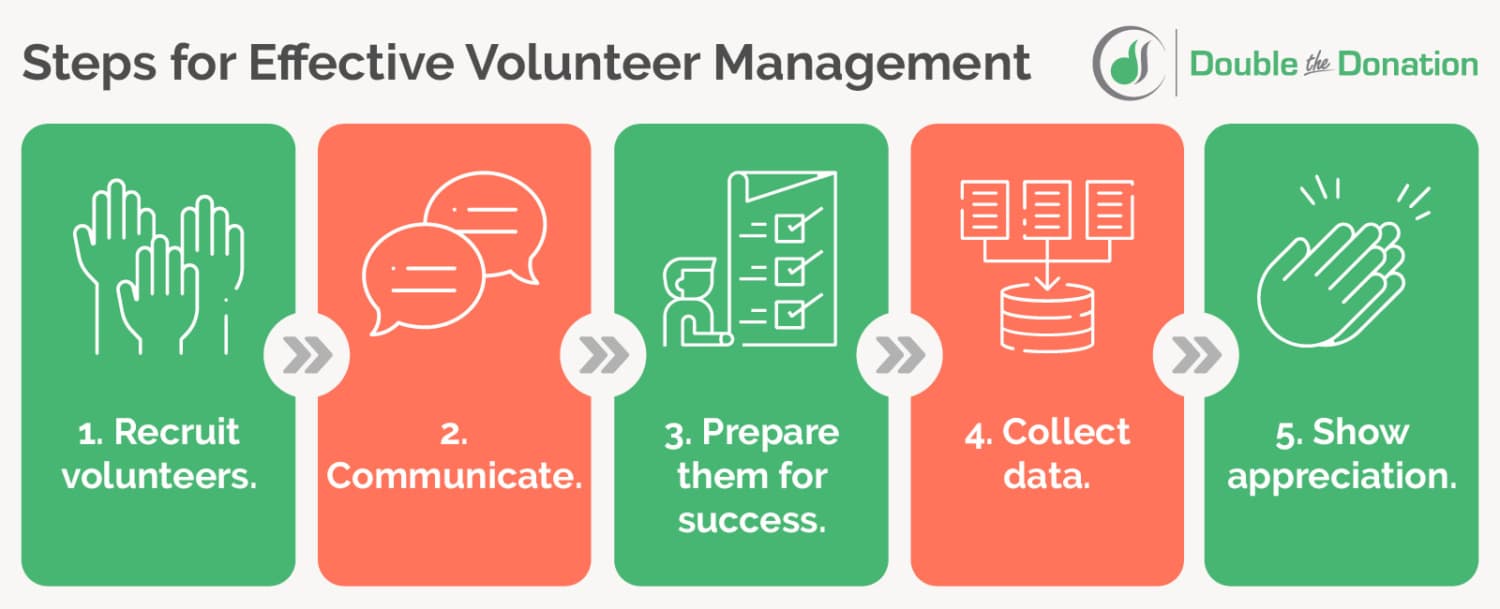
The chapters with the most reliable driver rosters treat recruitment as an ongoing process, not a sprint before each collection cycle. When a chapter depends on the same core group it built years ago, one or two no-shows can cascade into missed street blocks and strained pantry partners.
Short, precisely scoped role descriptions convert interest into enrollment. "Saturday driver, 8 to 11 a.m., 15 to 25 stops" tells a prospective volunteer exactly what they're committing to before they submit the form. Capture vehicle capacity, neighborhood preference, and availability at sign-up; that data becomes the first draft of your assignment logic. Keep the administrative load minimal. A simple form, a confirmation email, and a clear point of contact is the target ceiling. Anything more complex loses people before their first shift.
Onboarding that converts sign-ups to reliable drivers
Enrollment is not a driver. Turning a sign-up into a dependable first run requires a 10 to 15 minute orientation, either recorded or led by a route coordinator, that covers the route checklist, basic safety protocols (what to do if a bag isn't at a stop, what to do if capacity is reached), and the contact hierarchy (who to call when something unexpected happens). Volunteers who understand the system before their first route are substantially more likely to return for a second.
Respect for volunteer time is an operational variable, not a pleasantry. Onboarding that runs long, demands unnecessary paperwork, or fails to explain the purpose behind the checklist spends down the goodwill that brought someone to the program. Brief, purposeful, and practical is the standard. Volunteers who feel their time was respected during onboarding re-engage at the next collection cycle; those who felt their time was wasted quietly stop responding to scheduling emails.
Manifest hygiene: The night-before standard
The manifest is the operational spine of every collection, and a manifest finalized on collection morning is already a liability. The standard: every driver receives a final manifest the night before pickup, with an explicit skip list that flags every donor who submitted a "no pickup" opt-out through the pre-collection email.
That skip list is load-bearing. Drivers who make unnecessary stops fall behind on their windows, arrive at pantries outside receiving hours, and burn time and goodwill on an empty doorstep. Make the donor opt-out email a standard part of the pre-collection communication cadence, and build the skip column into the manifest template itself so it's never omitted. Beyond opt-outs, every manifest should include:
- Donor-specific notes (sidewalk pickup, heavy bags typical, deliver to back porch)
- Approximate bag counts per stop, where prior cycle data is available
- Pantry receiving windows with contact names and phone numbers
- The route lead's direct phone number
That last line is not optional. A driver facing a full vehicle, a closed pantry, or any unexpected situation needs to reach a human being immediately. Embedding the route lead's number directly in the manifest removes the friction of having to hunt for it mid-route.
Route assignment and neighborhood familiarity
Assigning drivers to routes in or close to their own neighborhoods is one of the highest-leverage, lowest-cost improvements a chapter can make. A driver who lives two streets from her assigned route already knows which driveways are long, which addresses have stairs, which donors typically leave heavy bags, and how long 20 stops actually takes at that pace. That familiarity compresses route time, sharpens pace estimates, and eliminates the surprises that cause drivers to run late or skip stops.
Over multiple collection cycles, neighborhood-familiar drivers also build informal rapport with donors, which has a retention effect on both sides. A donor who recognizes the same driver each cycle is more likely to keep participating. That relationship doesn't appear on a manifest, but it functions as an operational asset.
Vehicle capacity and load planning
Mid-route rebalancing is one of the most common and most preventable operational failures in doorstep pickup programs. It happens when a driver runs out of cargo space before running out of stops, with no documented plan for what comes next.
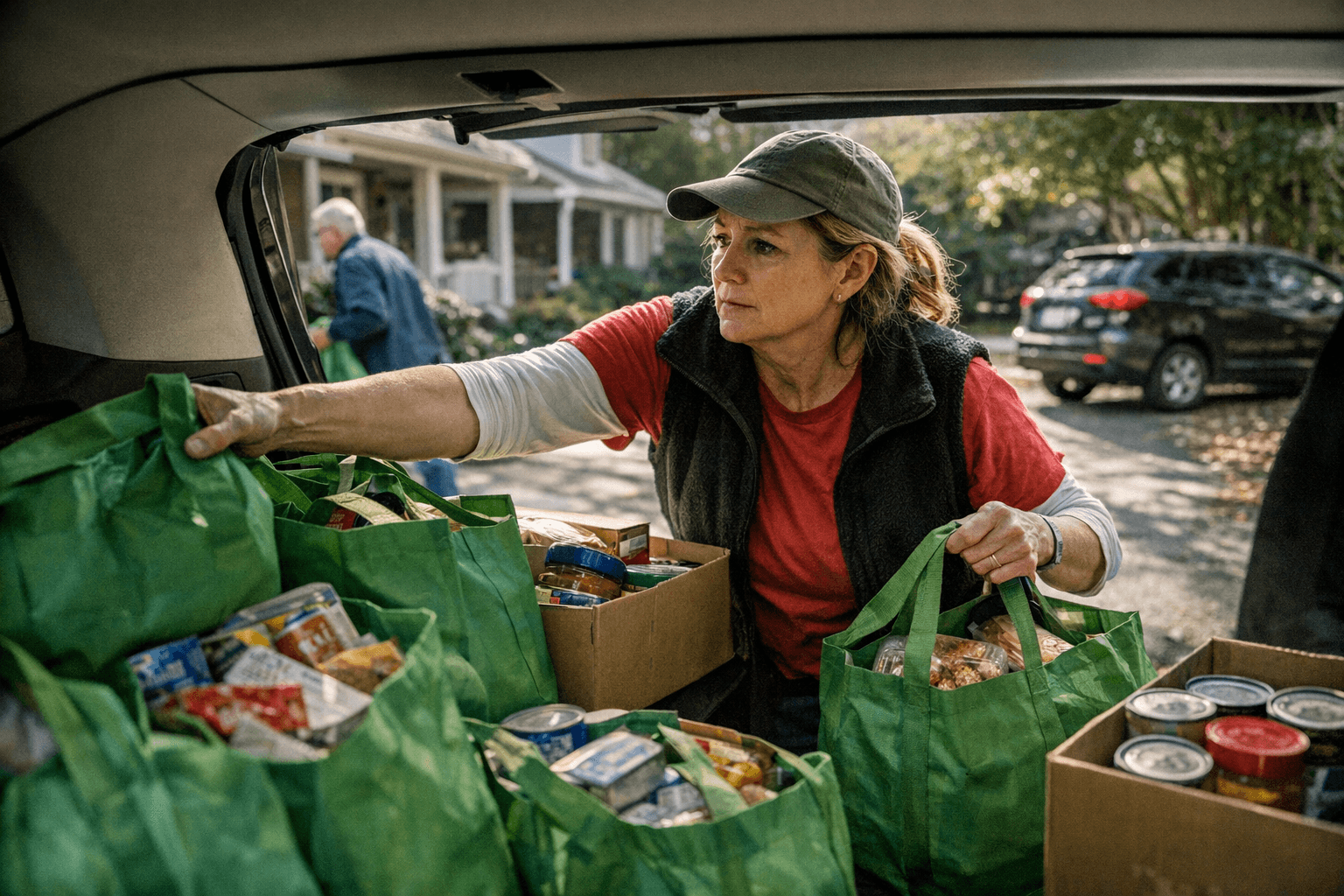
A conservative planning assumption of 15 to 20 pounds per bag gives route coordinators enough data to match stop counts to vehicle capacity before anyone leaves the driveway. Track historical bag counts per route across collection cycles; even a few months of data will show which routes consistently run heavy and which are reliably light. Use that history to adjust stop-count assignments and to identify where a backup vehicle provides real operational value, not just theoretical comfort.
Every route with more than 20 stops, or a historically high bag-count-to-capacity ratio, should have a designated backup driver or an explicit overflow protocol documented in the manifest. "Call the route lead if you hit capacity" is a starting point, not a plan. The plan names the person to call, identifies the vehicle being deployed, and specifies which stops that vehicle covers.
Technology that reduces planning time
Off-the-shelf tools exist for exactly this operational problem. Volunteer scheduling platforms like VolunteerHub and VolunteerMatters handle availability matching and shift reminders without requiring a coordinator to manually track everything across email threads. Multi-stop routing planners like Bringfood optimize stop sequences to reduce drive time and fuel use, which matters for both volunteer experience and program operating cost.
At minimum, a shared spreadsheet with addresses, opt-outs, special notes, and historical bag count data is substantially better than a static PDF that nobody has updated since last quarter. The goal isn't technological complexity; it's compressing coordinator planning time and reducing errors that come from working off of stale documents. Where budget allows, a free trial of a multi-stop routing solution is worth the hour it takes to test. Coordinators who have managed the same routes manually for years frequently find meaningful time savings in the first trial run.
Retention: What keeps drivers returning
Volunteer churn in food recovery programs is well-documented and largely preventable. The core friction points are unpredictable scheduling, lack of acknowledgment, and disorganized onboarding. The fixes are not expensive.
Predictable scheduling is the highest-leverage retention tool available. A driver who knows her route runs every third Saturday can plan around it. One who receives a last-minute request to cover a different neighborhood cannot. Consistent assignments, published well in advance, signal that the program respects volunteer time in practice, not just in language.
Recognition doesn't require a budget. A monthly driver spotlight in the chapter email, a personal note from the chapter president, or a small thank-you token at pantry drop-off creates the kind of belonging that sustains long-term engagement. Where modest resources exist, mileage support or fuel reimbursement removes a real financial friction point for drivers running long or heavy routes. The principle from Feeding America's Agency Volunteer Engagement Toolkit holds: brief, regular communication is more valuable than occasional, elaborate recognition. Drivers who hear from the chapter monthly stay connected to the mission. Those who only hear when something has gone wrong disengage.
30-day SOP checklist for chapter coordinators
Work through these in order before the next two collection cycles:
1. Open all current route manifests and add an explicit opt-out/skip column. Make this the standard template going forward.
2. Pilot neighborhood-matched route assignments for two consecutive collection cycles. Collect completion time and brief satisfaction feedback from drivers after each run.
3. Write and distribute a five-minute orientation script and a single-page driver checklist covering route protocol, capacity procedures, and contact numbers. Publish both to a shared folder all route leads can access.
4. Run a free trial of a multi-stop routing planner on at least one route. Compare planning time and driver-reported experience against your current baseline.
5. Launch a simple recognition program: one monthly driver acknowledgment email plus a small tangible thank-you at the pantry.
Weekly KPIs: Six numbers that surface problems before they reach the pantry
Post these where your scheduling coordinator can update them after every collection cycle:
- Stop completion rate: Completed stops divided by assigned stops. Target 95% or higher; investigate anything below 90% before the next cycle.
- On-time pantry delivery rate: Percentage of pantry drops made inside the receiving window.
- Driver no-show rate: Drivers absent divided by drivers scheduled. A sustained rate above 10% signals a recruitment or scheduling problem that won't self-correct.
- Overflow incidents per cycle: Number of times a driver reported hitting vehicle capacity before completing the route.
- Manifest accuracy rate: Percentage of manifests finalized and distributed the night before collection, not the morning of.
- Cycle-over-cycle driver retention rate: Percentage of drivers from the prior collection cycle who returned for the current one.
These six numbers, tracked consistently, move problem detection from the pantry door back to the planning table, where every one of these failures is still fixable.
This article was produced by Prism’s automated news system from verified source data, official records, and press releases, then run through automated quality and moderation checks before publishing. The system is built and supervised by the people who set the standards it runs under. Read our full AI policy.
Did this article answer your question?