Volunteer Shift at JFS to Sort 1,500-3,000 Pounds from A Simple Gesture
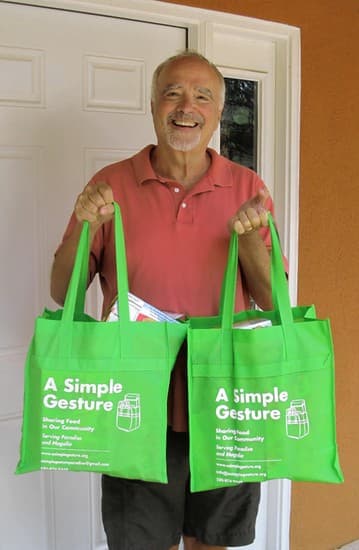
Volunteers at JFS are sorting 1,500-3,000 pounds of food donated by A Simple Gesture, a hands-on effort that illustrates how pantries rely on volunteer labor and coordination.
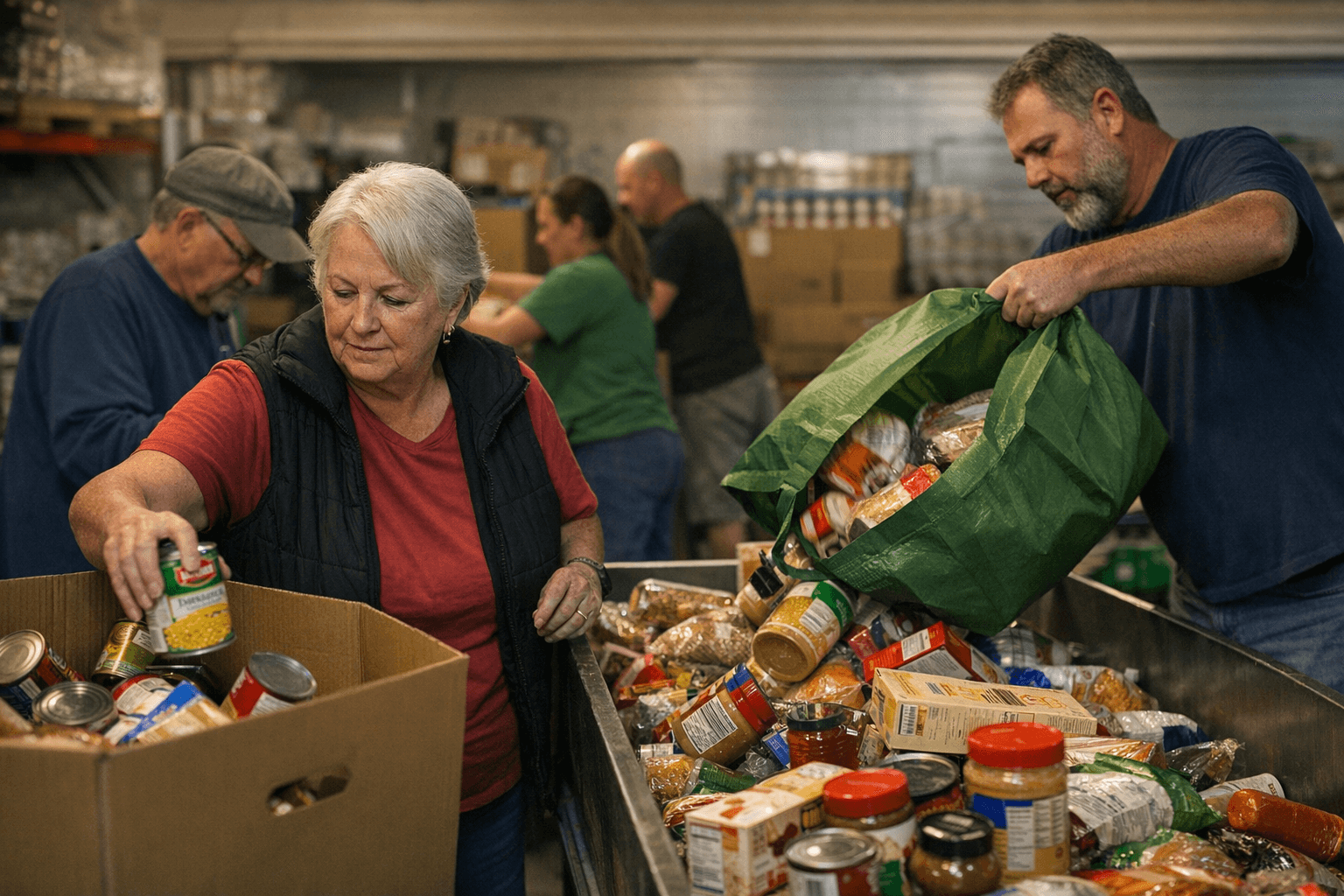
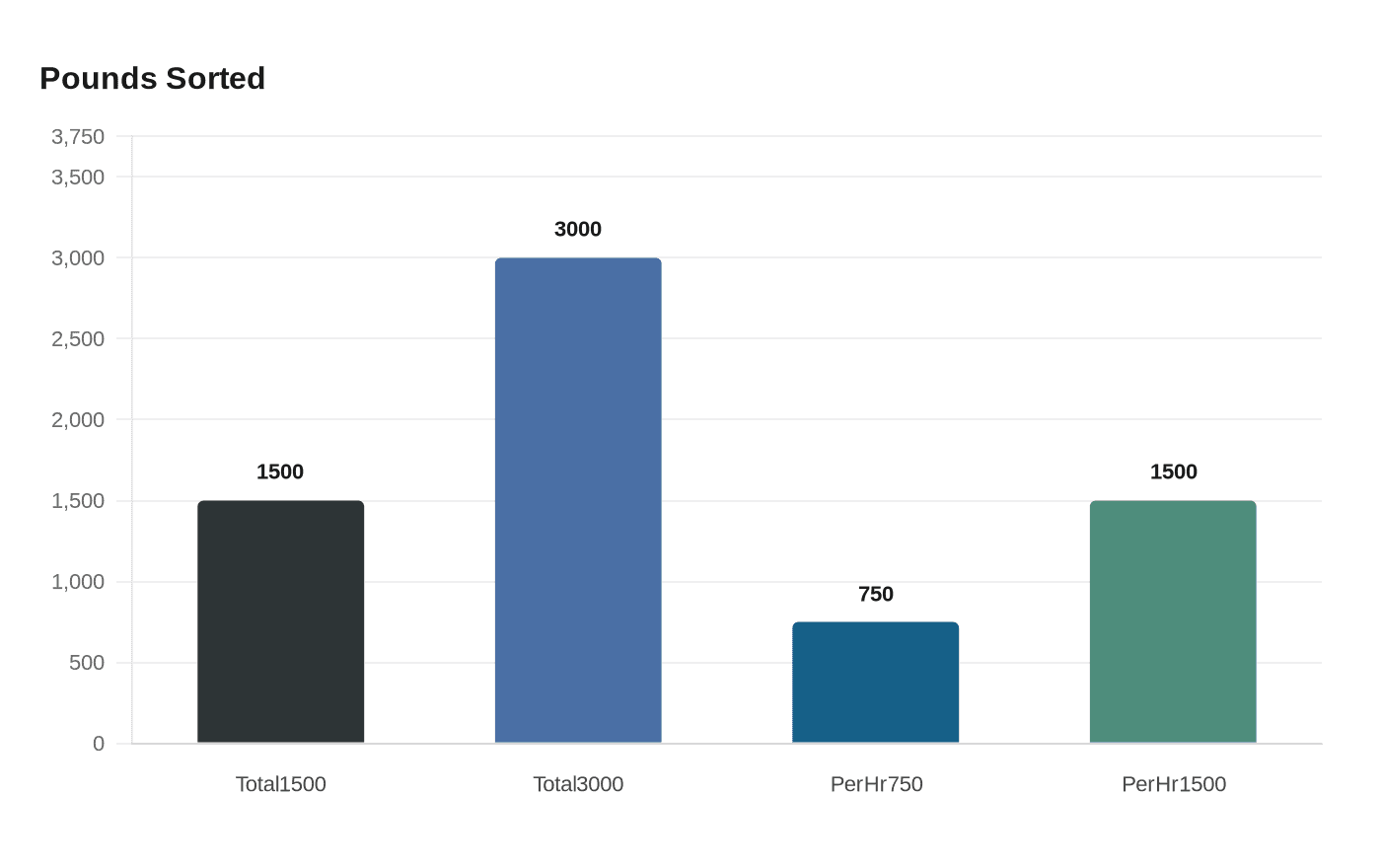
Volunteers at Jewish Family Services of Greensboro are at work from 10 a.m. to noon sorting a large donation from A Simple Gesture, a partner-hosted shift to supply the David D. Frazier Food Pantry. The event asks volunteers to weigh and sort donations, check expiration dates, and stock pantry shelves, with organizers expecting to handle between 1,500 and 3,000 pounds of food during the two-hour window.
The volume on the table highlights the operational intensity of food-distribution nonprofits. Sorting 1,500-3,000 pounds in two hours equals roughly 750-1,500 pounds per hour, a tempo that requires clear roles, efficient workflows, and attention to food-safety procedures. For JFS staff, that pace means coordinating volunteer arrivals, assigning tasks like weighing and expiration checks, and ensuring stocked items are ready for client distribution.
The event is a direct example of organization-level collaboration: A Simple Gesture provides the donated food, and Jewish Family Services of Greensboro provides the site, staff oversight, and the David D. Frazier Food Pantry as the distribution channel. That partnership demonstrates how donated goods flow from collectors to community distribution points, and how those flows depend on local volunteer labor to complete the final mile of service.
For workers and employees, the shift matters in several ways. Nonprofit staff take on the logistics of volunteer management in addition to regular caseloads, adding coordination and safety responsibilities to their workday. Volunteers and company groups who participate gain hands-on experience in operations, packing, sorting, and stock management, that mirrors warehouse and inventory tasks common in private-sector workplaces. Employers organizing volunteer teams should plan for physical demands, training on expiration-date checks and food handling, and liability considerations.
The JFS event also underscores a broader trend in workplace engagement: volunteer shifts provide visible, team-based opportunities for employee community service, but they require behind-the-scenes staff time and operational planning. The RSVP link on the JFS staff/events page allows volunteers to sign up ahead of the shift, helping organizers estimate turnout and allocate tasks.
As the noon deadline approaches, the immediate outcome will be a larger, replenished inventory at the David D. Frazier Food Pantry. For employees watching how community partnerships function, the shift reinforces a practical truth: donated resources are only as useful as the people and processes that sort, verify, and shelve them. Future volunteer efforts will hinge on the same mix of donated goods, volunteer labor, and nonprofit coordination that this shift makes plain.
This article was produced by Prism’s automated news system from verified source data, official records, and press releases, then run through automated quality and moderation checks before publishing. The system is built and supervised by the people who set the standards it runs under. Read our full AI policy.
Did this article answer your question?