Adidas growth shows Big Lots must protect value in discount markets
Adidas kept growth by shielding new product from discount pressure, a warning Big Lots workers know well: constant markdowns can teach shoppers to wait.
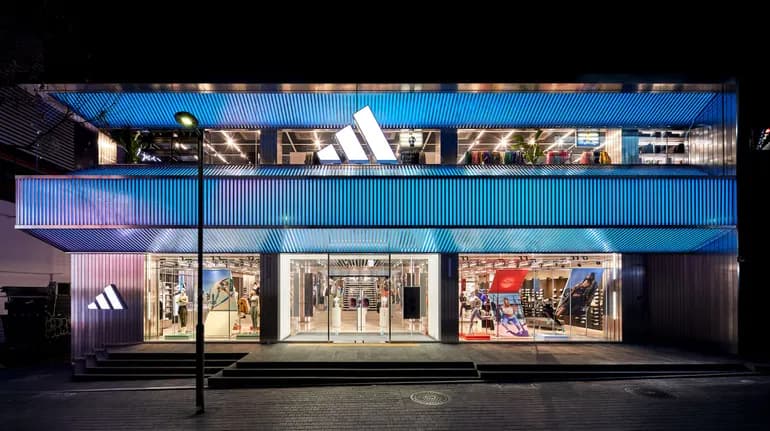
Adidas’ latest quarter showed that growth and discounting are not the same thing. The German sportswear company reported first-quarter revenue of 6.153 billion euros, up 13% on a currency-neutral basis, while direct-to-consumer sales grew much faster than wholesale. Chief executive Björn Gulden said the company had pulled back on wholesale to keep its newest products out of a discount-heavy environment.
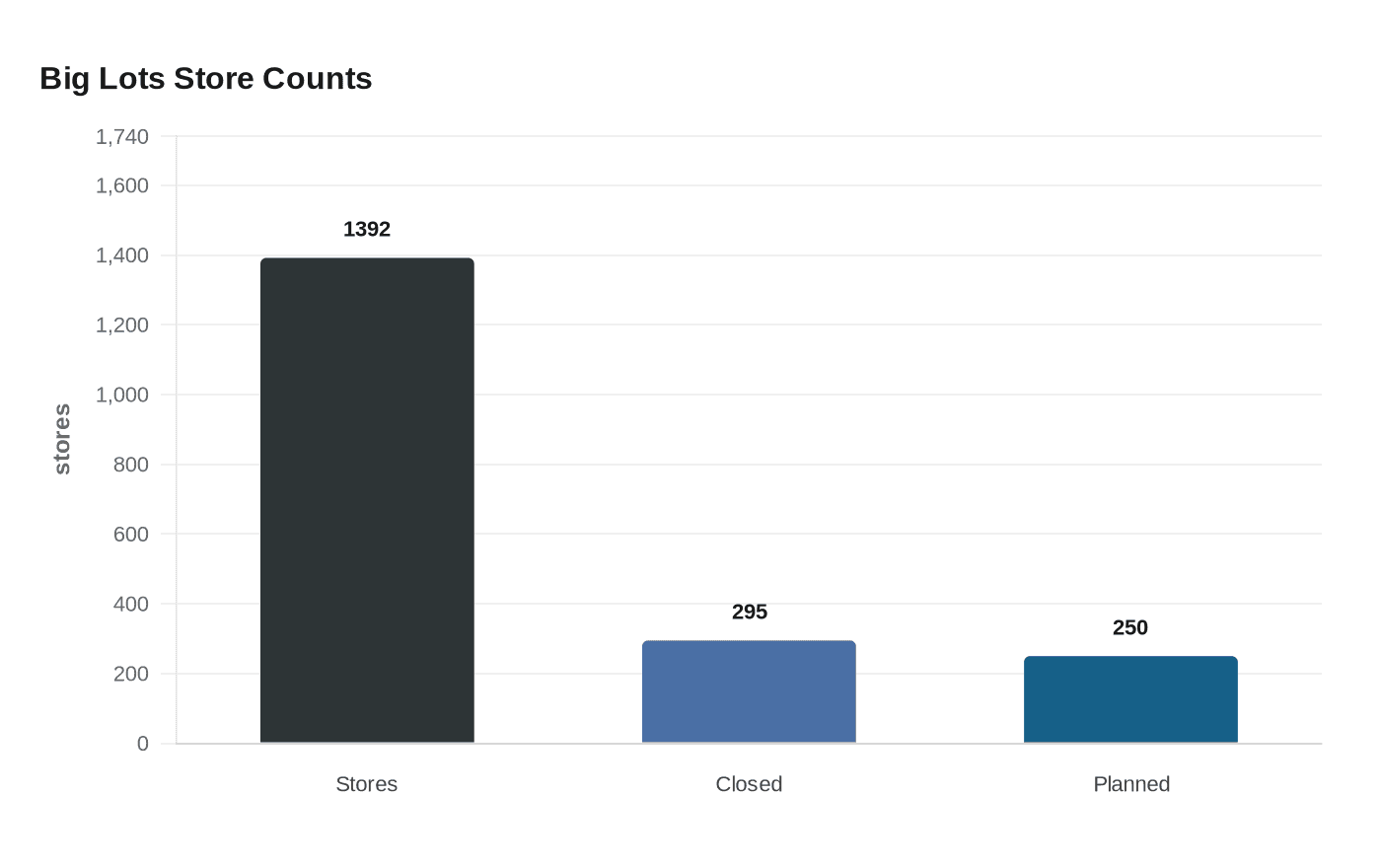
That is a familiar lesson for Big Lots, where the business depends on closeouts, overstocks and one-time buys. Big Lots said in a filing that it operated 1,392 stores in 48 states and an e-commerce platform as of May 4, 2024. It also said it generally sources merchandise from production overruns, packaging changes, discontinued products, order cancellations, liquidations, returns and other supply-chain disruptions. As the nation’s largest broad line closeout retailer, Big Lots has always lived on the edge between treasure hunt and markdown pile.

The tension matters on the sales floor. When shoppers see constant promotions, they start waiting for the next price cut instead of buying now. That makes it harder to move fresh inventory, especially in a category where customers want to know whether a deal is a short-lived closeout or just another item that will be marked down again next week. Clear signage, fast replenishment and strong product knowledge become part of the value proposition, because the store has to explain why something is priced low and why it may not be there later.

Big Lots has had to make those choices under severe pressure. On September 9, 2024, the company and its subsidiaries filed voluntary Chapter 11 proceedings in the U.S. Bankruptcy Court for the District of Delaware and entered into a sale agreement with Nexus Capital Management LP. The company also secured $707.5 million to support operations during the process. Reporting in September said Big Lots had already started closing 295 stores since July 2024, and it planned to close about 250 more locations in the fall.

When the Nexus deal fell through in December 2024, Big Lots moved to going-out-of-business sales at its remaining stores before later reaching a strategic transaction with Gordon Brothers and Variety Wholesalers to preserve some stores and jobs. Bruce Thorn said the company was shifting to a more focused footprint to operate efficiently and better serve customers.
Adidas’ results underline the same retail truth Big Lots lives every day: markdowns can clear stale product, but too many of them weaken the appeal of anything new. In discount retail, value still wins, but only when shoppers believe the good deal is real and temporary.
Know something we missed? Have a correction or additional information?
Submit a Tip