REI labor dispute shows how contract talks can hit store traffic
REI’s boycott fight shows how a contract dispute can quickly reach the sales floor. For Big Lots, the warning signs are public messaging, customer questions, and morale turning into store traffic problems.
When labor friction stops being backstage
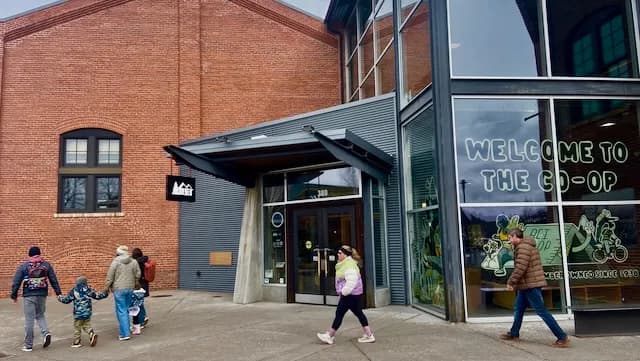
A contract dispute does not stay in the bargaining room for long once it starts shaping customer behavior. REI’s clash with its unionized workers shows how quickly a labor fight can move from negotiation pressure to a public sales problem, especially when a promotional event becomes the flash point.

For Big Lots workers, that matters because the same pattern can show up anywhere retail depends on repeat traffic, seasonal events, and a brand story customers think they understand. Once shoppers start hearing about labor unrest, store teams are left managing not just inventory and service, but perception.
How the REI dispute escalated
The immediate trigger was a boycott call aimed at REI’s anniversary sale after negotiations ended without what the union called a fair contract offer. The company said it had been bargaining with UFCW and RWDSU locals over the prior several weeks, including April 28 to 30, but the talks still did not produce a deal that settled the dispute.
That kind of breakdown is the point where a routine contract fight becomes visible to customers. A sale event gives workers and union organizers something concrete to target, and it gives shoppers a simple question: do I want to spend money here while the labor fight is unresolved?
REI’s response showed the other half of the escalation cycle. The company called the boycott disappointing and argued that the union was trying to harm the business rather than move negotiations forward. That framing is common in retail labor disputes, and it matters because it tells you the company is no longer speaking only to workers, but to members and customers watching from the outside.
Why store traffic becomes part of the dispute
Retail labor fights rarely stay hidden in a back room because the business model is built on foot traffic and trust. When a union asks customers to stay away from a sale, the pressure is not symbolic. It is aimed directly at revenue, because promotions only work if people show up.
That is the key lesson for Big Lots. Even if a store is not unionized, the same mechanics can still play out when workers feel unheard, managers are stuck relaying corporate lines, and customers start asking why a sale feels tense. The moment labor conflict becomes a shopping decision, the issue has already moved from internal relations to operations.
The bigger danger is that the store floor becomes part of the story. Associates end up hearing the same headlines as shoppers, which can affect morale, the tone of customer conversations, and how confident managers sound when they explain what is happening. In a value-driven chain like Big Lots, where traffic depends heavily on promotions and impulse trips, that kind of uncertainty can be costly even before it shows up in the numbers.
The signals that trouble is spreading
REI’s dispute offers a clear set of early warning signs for any retailer watching its own labor climate.
- Bargaining stretches on without a public resolution, even after multiple sessions.
- The union shifts from negotiating language to customer-facing pressure, like boycott calls.
- The company responds with public statements meant for shoppers and members, not just employees.
- Store workers start hearing the same controversy from customers, which means the issue has left the bargaining table.
- A promotion or big retail event becomes the target, because that is where labor pressure can hit sales fastest.
Once those signs appear together, the problem is no longer only about contract language. It becomes about how well a company can keep staffing steady, keep message discipline, and keep the shopping experience from being defined by conflict.
What REI’s business picture adds to the story
The labor dispute is also happening against a company backdrop that makes the stakes easier to see. REI’s 2025 results showed flat sales, a smaller loss, and more than 26 million members, which means the co-op is trying to balance growth, brand loyalty, and employee pressure at the same time.
That combination is important because it shows why labor tension can be so disruptive in retail. A retailer with a loyal customer base cannot assume that loyalty will override controversy forever, especially when a boycott is tied to a sale people already planned to shop. If the brand promise is built on trust, then labor conflict does not just create a wage issue, it tests the whole customer relationship.
For workers, the lesson is not that every contract fight becomes a crisis. It is that once customers are aware of the dispute, the company has to manage three audiences at once: workers, shoppers, and investors or members. That is when store traffic, employee morale, and corporate communications start feeding each other.
What Big Lots employees should watch next
Big Lots workers do not need a union headline to understand the warning signs. Any time management starts talking more carefully around promotions, any time customer questions outpace normal service chatter, or any time associates feel caught between store-level realities and corporate messaging, the labor story is already touching operations.
The REI case shows the escalation path clearly: organizing creates pressure, bargaining creates friction, a failed offer creates public conflict, and a boycott turns that conflict into a retail problem. Once that happens, the issue is no longer confined to labor relations. It is part of the customer experience, the store’s traffic pattern, and the brand itself.
That is the part retail leaders often underestimate. Labor disputes do not have to shut a store to damage it. They only have to make shoppers hesitate, and once that hesitation reaches the sales floor, the whole business has to deal with it.
This article was produced by Prism’s automated news system from verified source data, official records, and press releases, then run through automated quality and moderation checks before publishing. The system is built and supervised by the people who set the standards it runs under. Read our full AI policy.
Did this article answer your question?