Amazon expands 30-minute delivery, raising speed pressure on Big Lots stores
Amazon’s 30-minute push is resetting what shoppers call fast, and Big Lots stores will feel it in stockrooms, schedules and aisle recovery.
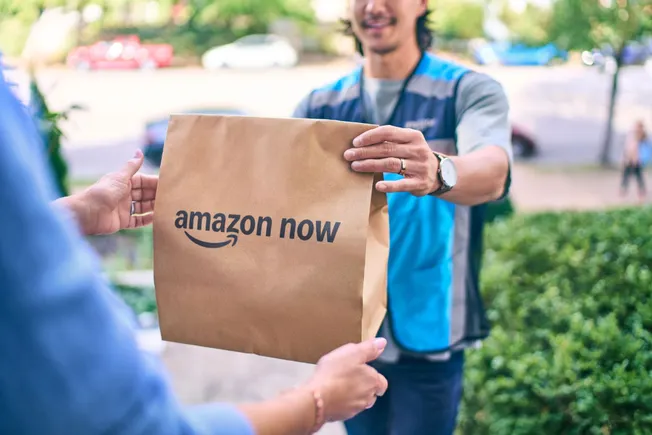
Amazon’s move into 30-minute delivery is less about copying Big Lots than about changing what shoppers now expect from speed. When Amazon Now can put groceries, household essentials, electronics, baby items, pet care and even alcohol where permitted in front of customers in about half an hour, the comparison point shifts for every store that sells convenience, value and impulse items.
Amazon launched the service in dozens of U.S. cities on May 12 and said it aims to reach tens of millions more customers by the end of 2026. Amazon Now is already widely available in Atlanta, Dallas-Fort Worth, Philadelphia and Seattle, with expansion underway in Austin, Houston, Minneapolis, Orlando, Phoenix, Denver and Oklahoma City. The service runs from specialized smaller locations in more populated areas and, in most markets, operates 24 hours a day. Prime members pay $3.99 per order, non-Prime customers pay $13.99, and orders under $15 carry small-order fees of $1.99 for Prime members and $3.99 for non-Prime customers.
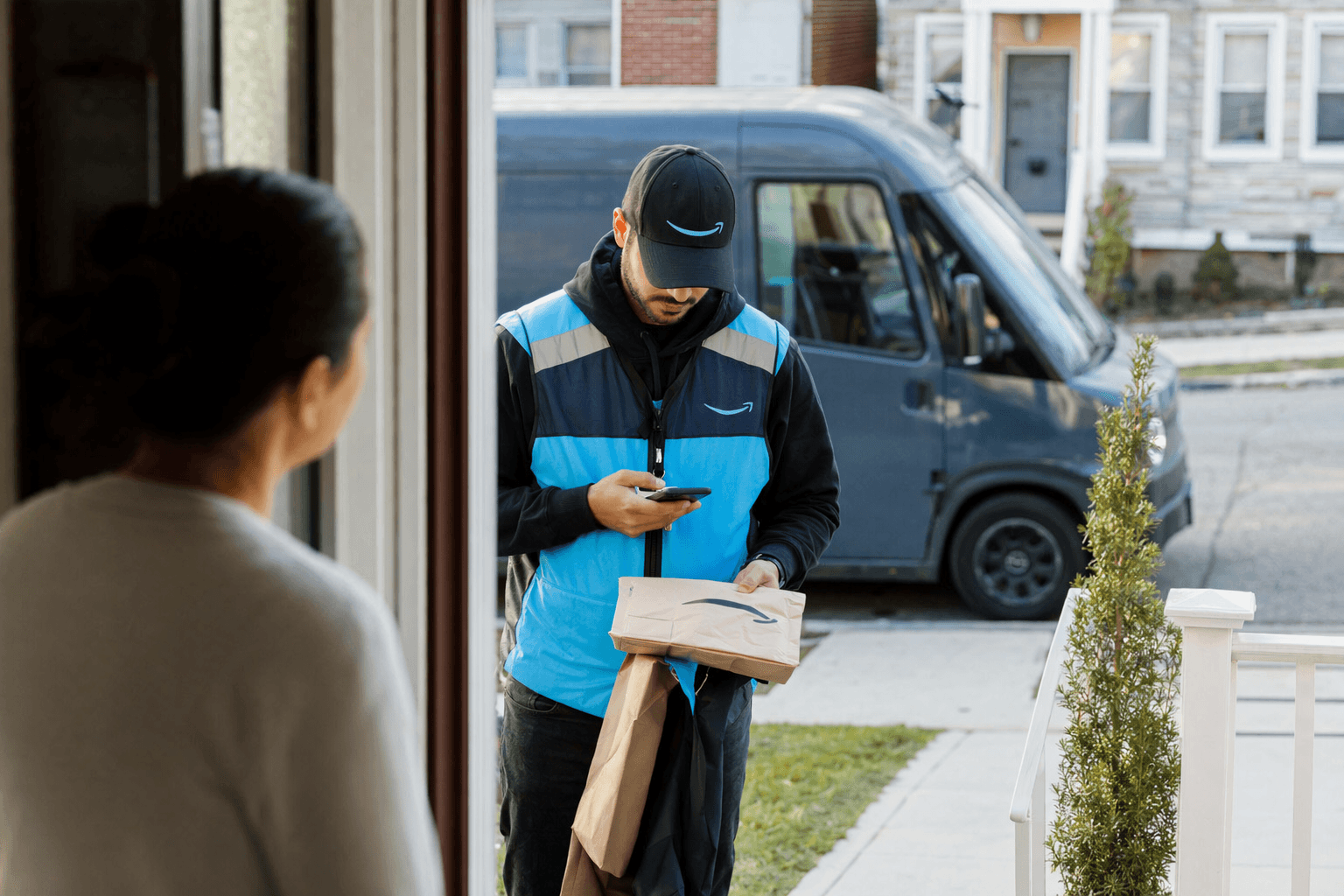
For Big Lots, the pressure lands on the parts of the business that customers rarely see but always notice when they fail. Faster delivery means tighter expectations for local inventory accuracy, more disciplined stock placement and quicker order picking and handoff. If a shopper expects near-immediate access to a household item, an empty shelf, a slow backroom refill or a missed pickup window feels more like a service failure than a temporary inconvenience. That raises the stakes for labor scheduling, aisle recovery and how well a store knows what it should keep on hand.
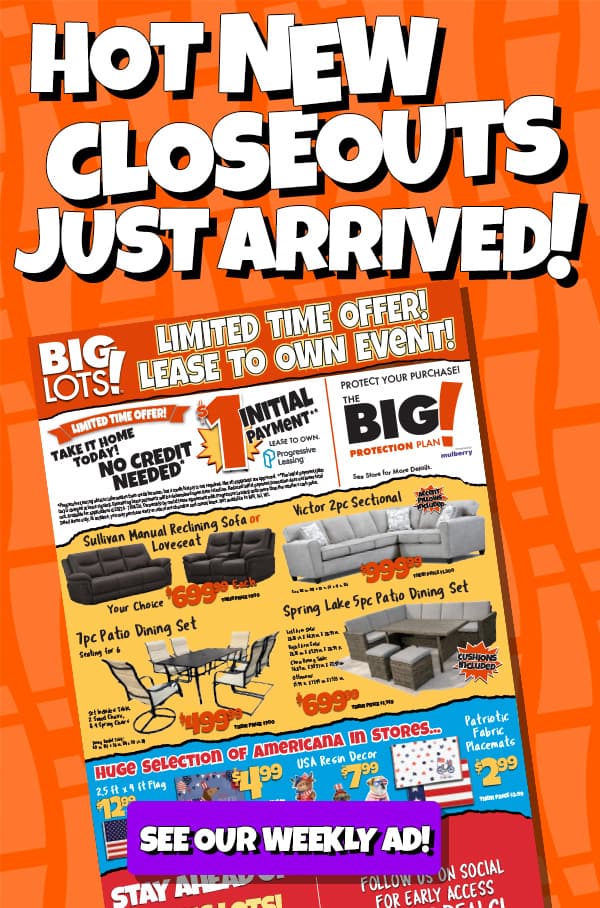
The contrast is especially sharp because Big Lots is still working through a much smaller footprint than it had before bankruptcy. Big Lots filed voluntary chapter 11 petitions on September 9, 2024, and its February 3, 2024 annual report said the company operated 1,392 stores and an e-commerce platform. By May 2025, the store locator showed 219 locations. Variety Wholesalers acquired those 219 stores out of bankruptcy, and 132 stores across 14 states were scheduled to reopen in May 2025 under the Big Lots name.
That leaves Big Lots competing in a retail landscape where logistics is now part of the customer promise. The chain still leans on furniture, home décor, groceries, apparel and other value categories, which makes local assortment and reliable replenishment central to the job. Amazon’s latest push does not just raise the bar for delivery. It raises the bar for every store team trying to keep shelves full, pick orders fast and meet a customer who now thinks 30 minutes is normal.
This article was produced by Prism’s automated news system from verified source data, official records, and press releases, then run through automated quality and moderation checks before publishing. The system is built and supervised by the people who set the standards it runs under. Read our full AI policy.
Did this article answer your question?