House passes organized retail crime bill, targets theft networks
House lawmakers advanced a bill aimed at theft networks, not just shoplifters, with a 348-60 vote. Big Lots stores could see the impact in shrink control, staffing, and security work.
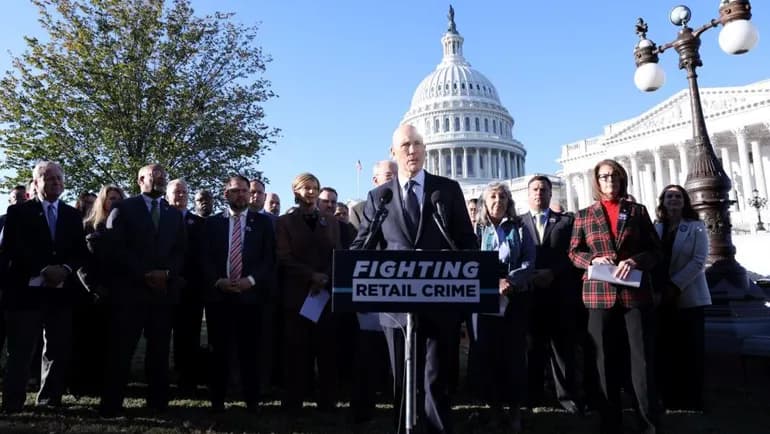
The House moved a major organized retail crime bill one step closer to becoming law, but the practical payoff for store teams will depend on whether federal coordination actually translates into fewer repeat thefts and better case-building across state lines.
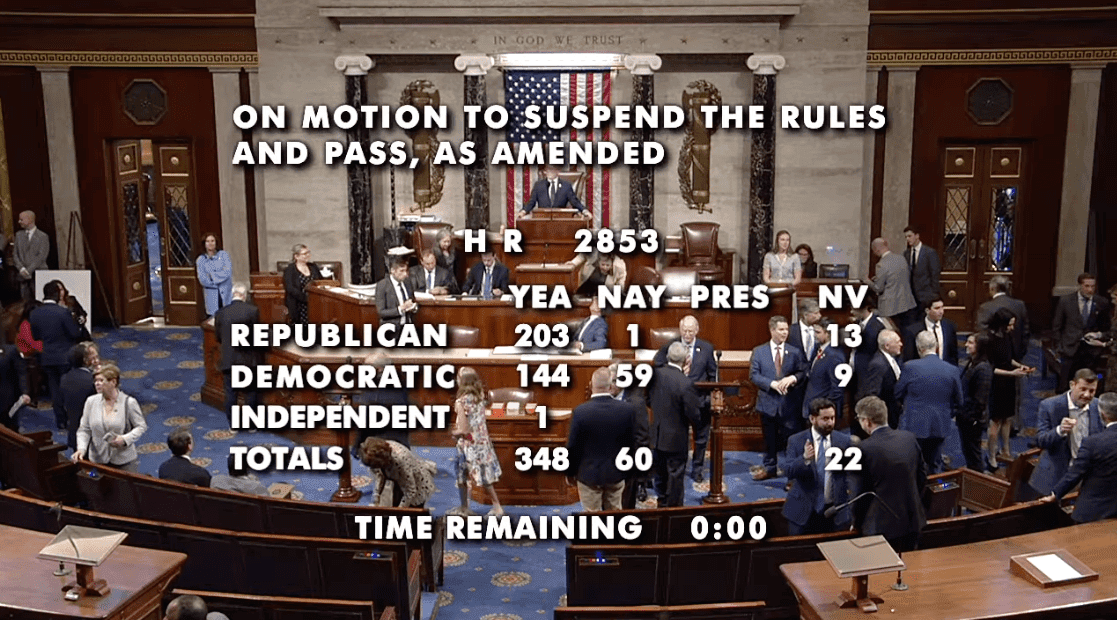
Lawmakers passed H.R. 2853, the Combating Organized Retail Crime Act of 2025, on May 12 by a 348-60 vote. The bill, sponsored by Rep. Dave Joyce of Ohio and backed by a bipartisan group that included Reps. Susie Lee, David Valadao, Dina Titus, Brad Schneider, Laurel Lee, Lou Correa and Michael Baumgartner, now heads to the Senate. Congress.gov lists the measure as introduced on April 10, 2025, and reported out of the House Judiciary Committee on January 30, 2026.
The bill is designed to go after the networks behind retail theft, not only the people grabbing merchandise off the shelf. It would create an Organized Retail and Supply Chain Crime Coordination Center within the Department of Homeland Security, with a mandate to help connect investigations involving interstate and international movement of stolen goods. The House-passed version would also strengthen prosecutors’ tools by allowing criminal forfeiture in cases tied to interstate shipment, transportation or sale of stolen goods, expanding money-laundering statutes, and allowing prosecutions of organized retail and supply chain groups that use interstate or foreign commerce.
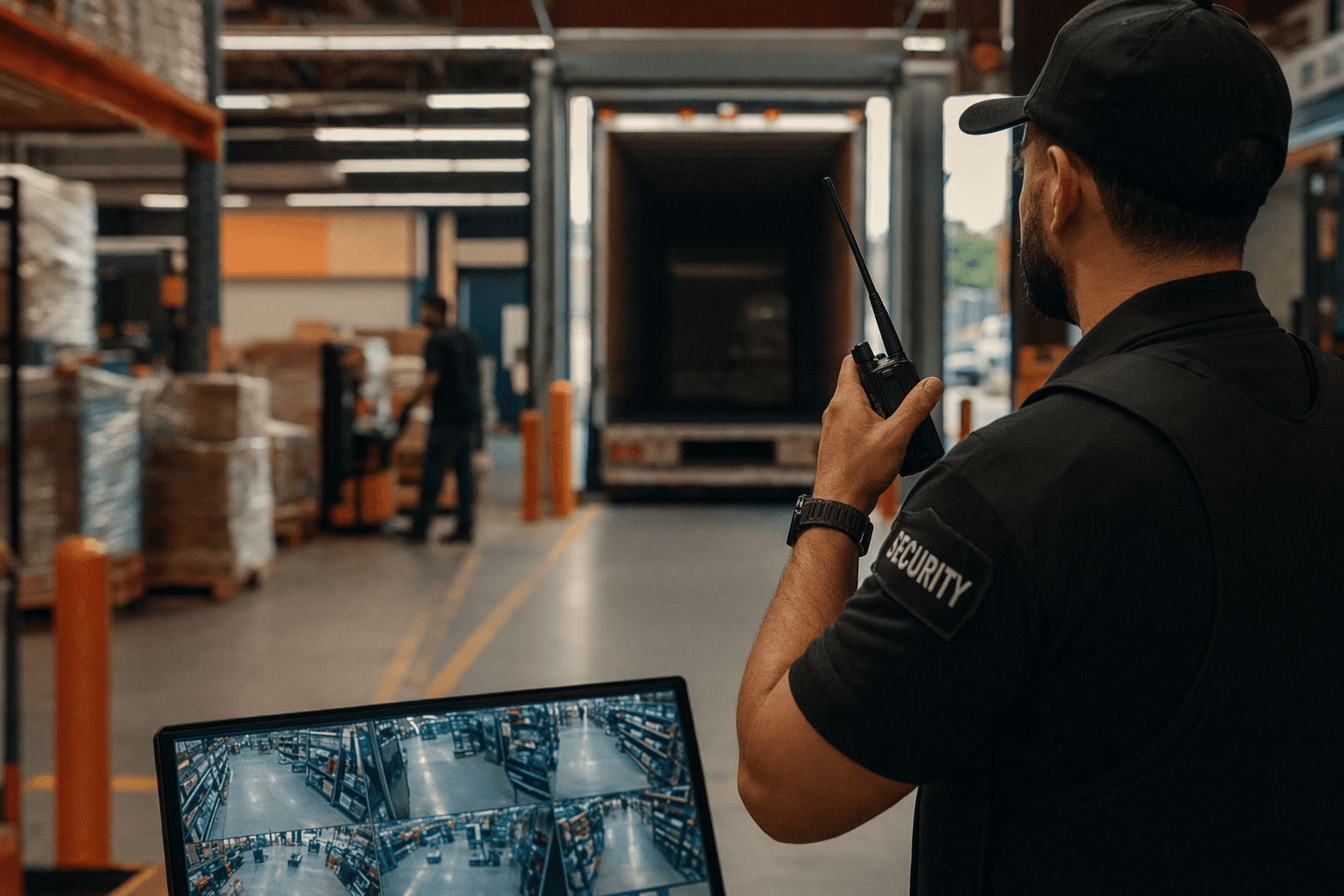
For Big Lots workers, that distinction matters. A bill like this does not change a store’s daily reality overnight. It does not replace store-level security procedures, incident reports, receipt checks, locked cases or the extra time managers already spend on asset-protection routines. What it could do is give law enforcement better tools to follow patterns that often start in one store and end far beyond it, which is where organized theft can become a serious drain on inventory, labor and morale at a low-margin retailer.
That is especially relevant for Big Lots, which filed voluntary Chapter 11 petitions on September 9, 2024, and continued operating under court supervision into 2026. When a retailer is already under financial pressure, every shrink event carries more weight. Losses do not just disappear from a ledger. They can affect in-stock levels, force more time into security tasks, and pull managers away from selling, replenishment and floor coverage.
Retail groups have pressed Congress to act for years. The National Retail Federation said its 2025 survey covered 70 retail companies representing 168 brands and found retail larceny incidents rose 93% from 2019 to 2023, with stores losing $121.6 billion to retail theft in 2023. The NRF, Retail Industry Leaders Association, International Council of Shopping Centers and other industry groups supported the House vote, along with the view that organized retail crime and cargo theft now stretch across supply chains and jurisdictions. The Senate now has to decide whether to turn that political momentum into a workable federal response for stores that are still dealing with the problem aisle by aisle.
This article was produced by Prism’s automated news system from verified source data, official records, and press releases, then run through automated quality and moderation checks before publishing. The system is built and supervised by the people who set the standards it runs under. Read our full AI policy.
Did this article answer your question?