Amazon opens logistics network to all businesses, challenging Big Lots competitors
Amazon turned its freight and fulfillment network into a service for outside businesses, raising the bar for Big Lots on speed, visibility and in-stock reliability.
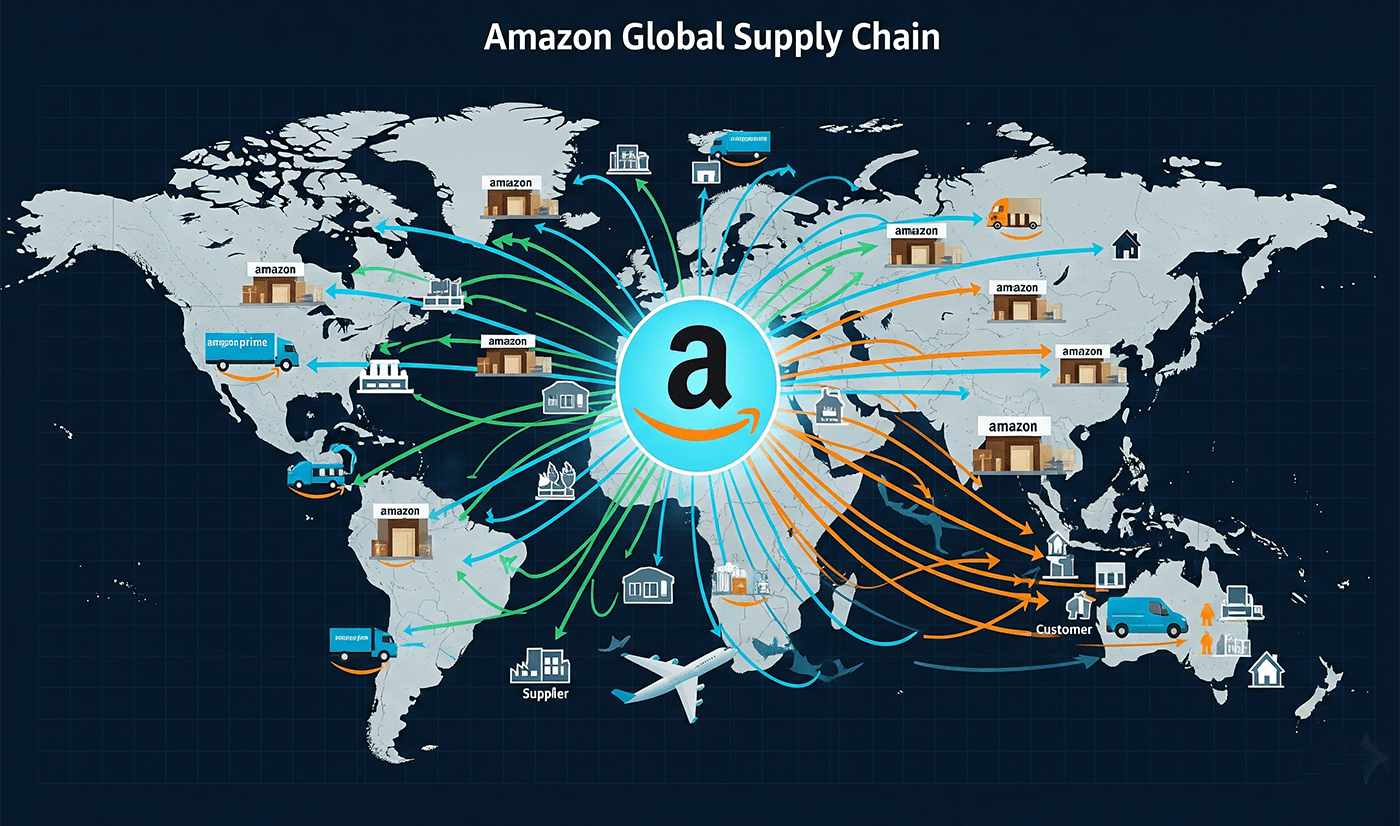
Amazon just turned its own supply chain into a product other companies can rent.
On May 4, Amazon launched Amazon Supply Chain Services, opening its freight, distribution, fulfillment and parcel shipping network to businesses of all sizes. The company said the service lets businesses move, store and deliver goods from raw materials to finished products using the same logistics system that supports Amazon.com. Amazon said early users include Procter & Gamble, 3M, Lands’ End and American Eagle Outfitters, a lineup that shows the service is aimed well beyond small sellers and into major consumer brands.
The reach is broad enough to matter far outside Amazon’s own marketplace. Amazon said the network spans ocean, road, rail and air transportation, and it is expanding third-party logistics capacity into healthcare, automotive, manufacturing and retail. The company also said businesses can use the service across their own websites, social media channels and physical stores. That pushes Amazon deeper into territory long dominated by UPS and FedEx, while also giving retailers a clearer benchmark for what fast and visible fulfillment now looks like.
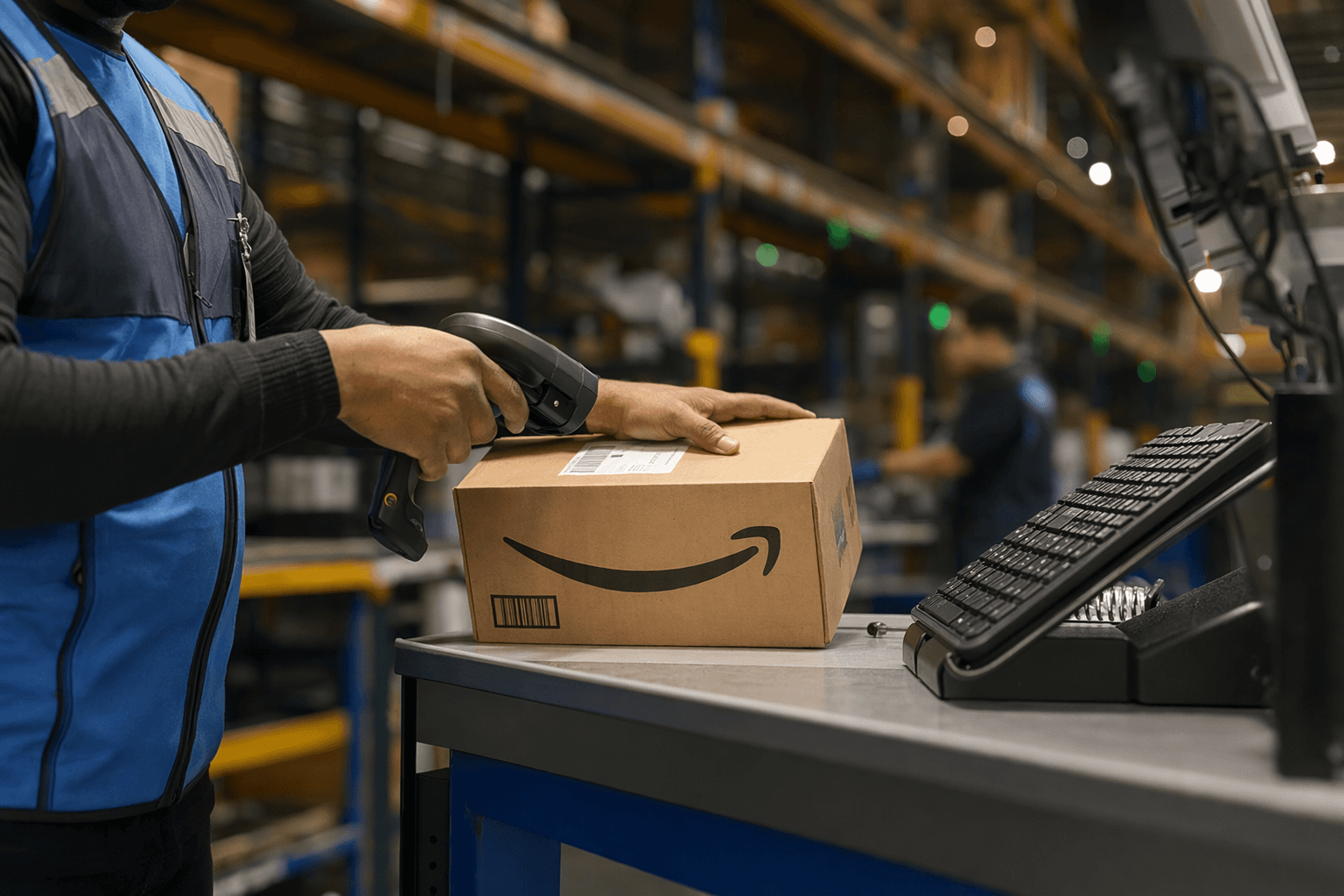
Amazon is not starting from scratch. It introduced Supply Chain by Amazon in 2023 as an end-to-end logistics service for sellers, and later said hundreds of thousands of sellers used at least one of those services. Amazon also said multi-service adoption tripled in the first half of 2024. The new offering broadens that model from sellers on Amazon’s platform to companies that do not sell there at all, which makes the logistics business itself look more and more like a standalone revenue stream.
For Big Lots, the significance lands in the store aisles and the stockroom. Big Lots filed for Chapter 11 on September 9, 2024, in Delaware, and Bloomberg reported in February 2025 that the company did not have enough cash to pay suppliers for all the goods provided during its bankruptcy effort. At filing, Big Lots had more than 1,300 stores and roughly 27,700 employees. That scale meant logistics failures were never just a back-office problem. They hit workers, vendors and shoppers at once.
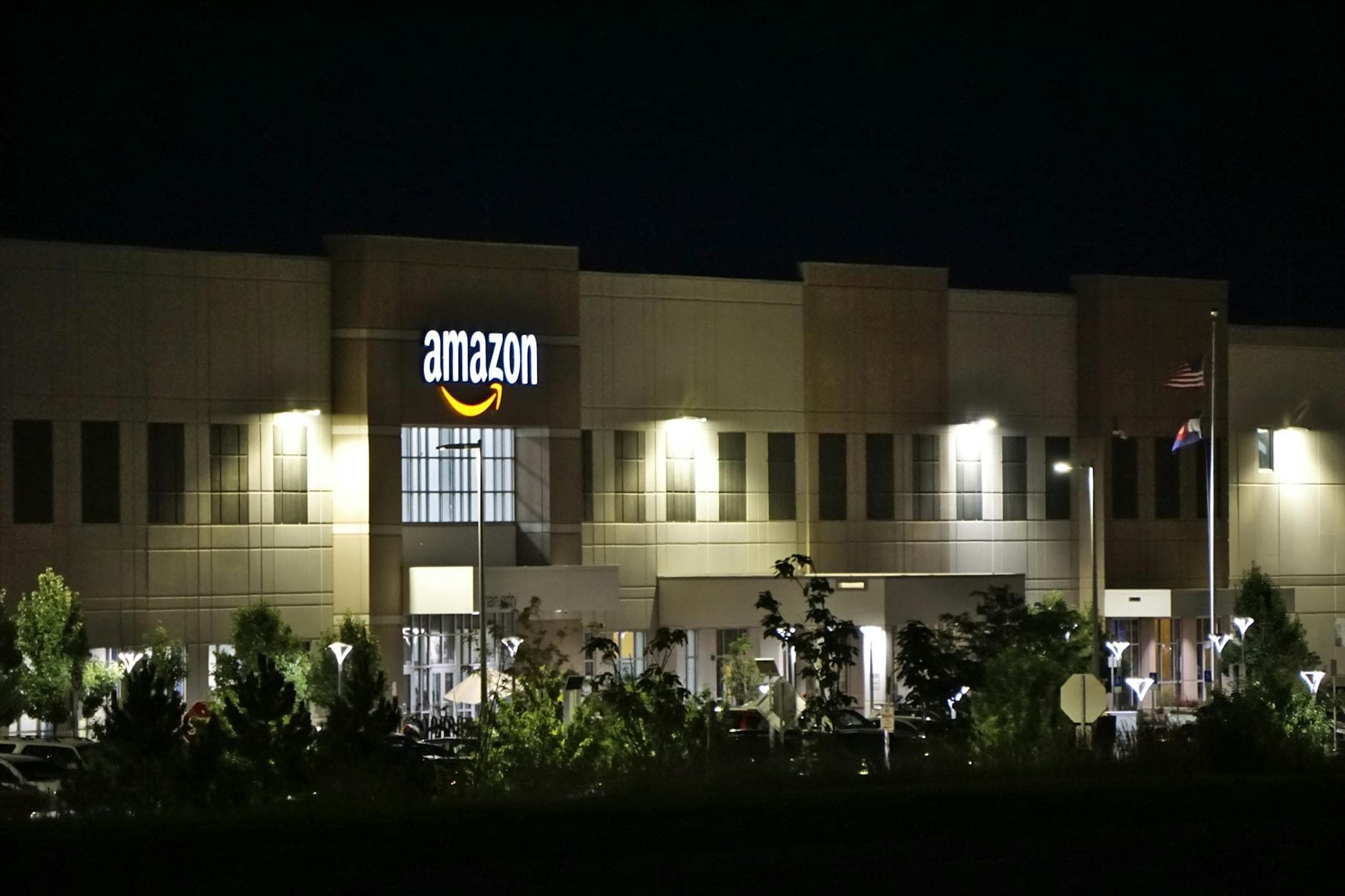
Amazon’s latest move sharpens the pressure on store-based chains that already struggle to match its speed. Big Lots cannot compete by pretending it will become Amazon. It has to defend what customers still go to stores for: value, assortment and reliable in-stock performance. When shoppers get used to seeing tighter tracking and faster fulfillment from every corner of retail, a missing item or a delayed order becomes more than an inconvenience. It becomes a reason to shop somewhere else. In a year when about 15,000 store closures were expected, more than double the 7,325 closures in 2024, that is the kind of pressure retailers and their workers are already feeling.
Know something we missed? Have a correction or additional information?
Submit a Tip