Big Lots explains lease-to-own rules, eligible items and payment options
Big Lots’ lease-to-own setup can save a furniture sale, but only if associates know the $300 minimum, eligible items and payment timing. Missteps can quickly turn into checkout confusion.
Big Lots’ lease-to-own pitch is simple on paper, but the sales floor is where the details matter
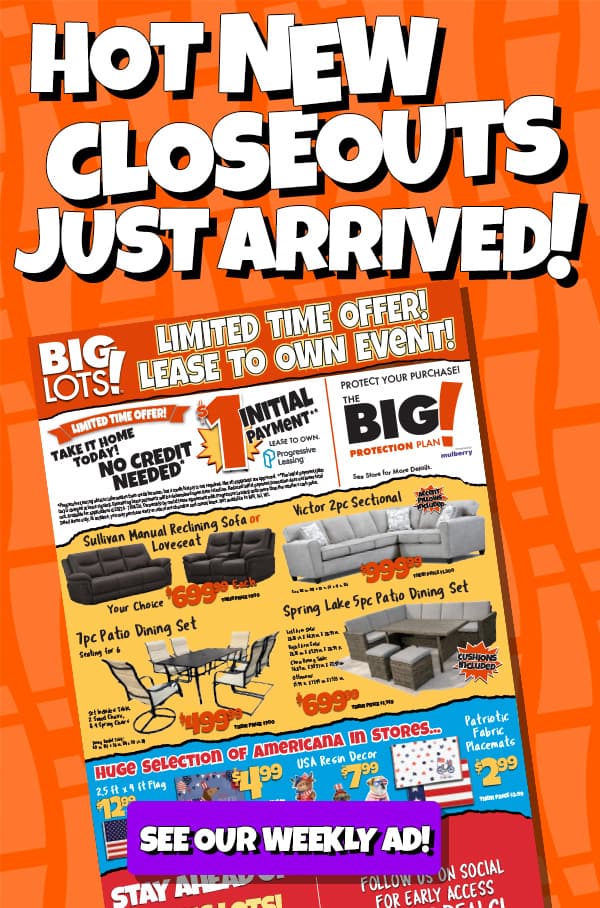
For Big Lots associates, lease-to-own is more than a financing button. It is a way to keep a furniture or big-ticket sale moving when a customer needs flexibility, and it works best when the associate can explain the rules without sounding unsure. The program runs through Progressive Leasing, offers no-credit-needed applications and instant decisions, and can approve customers up to $3,000, but it only helps if the cart and the item mix fit the rules.

That is why this program is worth knowing cold. When shoppers are standing at a register or loading up a virtual cart, the difference between “yes, this works” and “actually, that item does not qualify” can decide whether the sale closes or falls apart. In a store environment built around customer service and speed, clear answers protect both the customer experience and the associate’s credibility.
What the program allows customers to do
Big Lots says shoppers using Progressive Leasing in-store can get started without credit, receive an instant decision and, if approved, use weekly, biweekly or monthly payment options. The company also points to early purchase options, including a 90-day option in many cases, which gives customers a path to own the product sooner if they want to pay it off early.
That early-buyout feature is easy to oversell if associates are not careful. Progressive Leasing says the 90-day purchase option is the least expensive early purchase option, and it expires 90 days after delivery, except in California where it is three months. Customers can buy the product at any time, but the 90-day path is the one that generally costs the least, which makes it a useful detail when a shopper is comparing payment choices at the counter.
Where the process starts, and where it often gets confusing
Big Lots’ current lease-to-own flow has a hard threshold: the cart total must be more than $300 before taxes before the customer can move forward. That detail matters because shoppers may assume nearly any furniture basket can be financed, when the program actually starts only after the pre-tax total clears that mark.
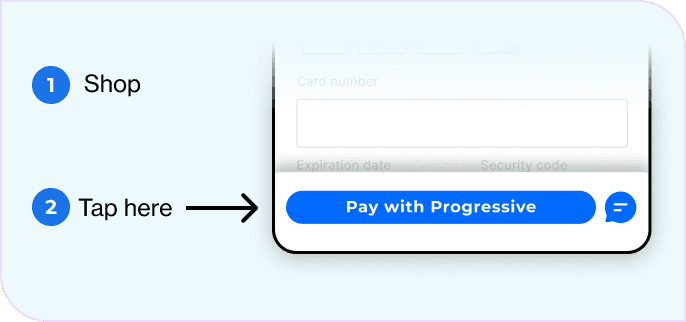
The next step is equally important. Big Lots says the shopper should enter $0 for tax and delivery in the app, then a team member must validate that every item in the cart is lease-eligible before the virtual-card checkout is completed. In plain terms, the associate is not just processing a payment, they are confirming that the basket fits the program before the customer gets too far into the transaction. That is the moment when a confident explanation can prevent a return trip, a stalled checkout or an irritated customer who thought everything in the cart was included.
Big Lots says the program is available in most stores that carry furniture, and shoppers are directed to the store locator’s “Furniture Leasing” link under Store Services. That makes the feature especially relevant on the furniture side of the business, where lease-to-own can help turn a browsing visit into a completed sale.
What can be leased, and what cannot
The easiest way for an associate to keep the conversation clean is to separate eligible merchandise from non-eligible items right away. Big Lots’ guidance makes clear that some categories are commonly leasable, while others are not.
- Furniture
- Appliances
- Electronics
- Jewelry
- Mattresses
- Mobile devices and accessories
- Musical instruments
Eligible examples include:
- Gift cards
- Groceries
- Clothes
- Shoes
- Hazardous items
Not leasable:
Those distinctions are exactly where customers get tripped up. A shopper may be focused on the total and assume the whole basket qualifies, but a single non-eligible item can derail the checkout if it stays in the cart. Associates who explain the difference early can save time, preserve trust and keep the sale from collapsing at the register.
Why the payment language needs to be precise
The payments sound straightforward, but that is also where the risk of overpromising starts. Weekly, biweekly and monthly options give customers flexibility, yet the price of that flexibility can be more than they expect if they do not understand the lease structure. The Federal Trade Commission warns that rent-to-own and lease-to-own plans can cost more than expected, and that state laws may apply, which is a useful consumer-protection reminder for anyone explaining the program on the floor.
That warning matters because customers often hear “easy approval” and stop listening. The smartest associate language is plain and specific: the program can help a customer take home approved merchandise today, but the customer still needs to understand how the payments work, what items qualify and how early purchase timing changes the cost. That kind of clarity protects the customer and reduces the chance of a dispute later.
Why this is especially important at Big Lots right now
The lease-to-own program also sits inside a much bigger corporate story. Big Lots and its subsidiaries filed voluntary Chapter 11 cases on September 9, 2024, in the U.S. Bankruptcy Court for the District of Delaware after entering an asset purchase agreement with affiliates of Nexus Capital Management LP. That backdrop explains why the company’s sales tools matter so much: every supported transaction, especially in furniture and other higher-ticket categories, can help preserve customer traffic and close a sale that might otherwise walk out the door.
For associates, that does not mean turning every conversation into a financing pitch. It means knowing when lease-to-own fits, when it does not, and how to explain the rules without confusion. In a pressured retail environment, the people who can answer the leasing question cleanly become part of the sales strategy, not just the checkout process.
What a strong associate explanation sounds like
A clear explanation does not need to be long. It needs to hit the essentials in the right order: the cart must be over $300 before tax, the items must all qualify, the shopper can apply in store through Progressive Leasing without credit, and the payment schedule can be weekly, biweekly or monthly with early purchase options available in many cases. If the shopper wants the least expensive early buyout path, the 90-day option is the one to mention, with the California exception in mind.
That level of precision keeps the conversation grounded and avoids the common mistake of making lease-to-own sound like a blanket yes. Big Lots’ own rules show that it is selective, item-specific and dependent on a team member validating the cart. In practice, that means the associate who knows the basics is the one most likely to keep the customer moving and the sale intact.
This article was produced by Prism’s automated news system from verified source data, official records, and press releases, then run through automated quality and moderation checks before publishing. The system is built and supervised by the people who set the standards it runs under. Read our full AI policy.
Did this article answer your question?