Big Lots store jobs go far beyond checkout, BLS says
Big Lots store jobs cover selling, stocking, merchandising and security, not just checkout, and the company’s shakeup made those skills even more visible.
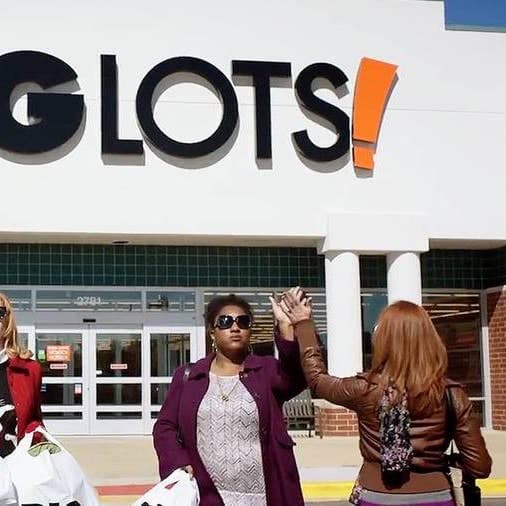
The job on the sales floor is bigger than the register
Big Lots store work has never been limited to ringing up baskets, and the official job profile makes that plain. Retail sales workers greet customers, figure out what they need, recommend merchandise, locate items on the floor, handle payments, answer questions, prepare products for purchase, ticket and display goods, process returns, and stay alert for theft or other security risks.
That broader definition matters because it changes how you judge performance. A strong front-line associate is not simply fast at checkout. At Big Lots, the job also rewards the worker who can keep a zone organized, solve a customer problem without slowing the line, explain a special order or financing option, and make the store feel easier to shop.
What retail sales work actually includes
The occupation profile is built around constant movement between tasks. One minute, you are helping a customer find the right item or clarifying a promotion; the next, you are computing a price, opening or closing the cash drawer, or preparing merchandise so it can go straight to the floor. The work also includes stocking and display duties, which means the sales floor depends on the same people who are serving customers to keep product ready and visible.
That is why “frontline” is the right word. Retail sales workers are not just the face of the store, they are part of the operating system. They keep products moving, protect shrink, and help customers make decisions in real time, all while maintaining accuracy at the register.
What the pay and outlook say about the role
The Bureau of Labor Statistics says retail sales workers had a median hourly wage of $16.70 in 2024, which works out to a median annual wage of $34,730. It also counted 4,208,800 jobs in the occupation that year. Those numbers put the work in a familiar place on the pay scale, but they also show how large and important the job category remains.
The outlook is just as telling. The BLS projects 0 percent employment change from 2024 to 2034, which means the occupation is not expected to expand much overall. Even so, openings should remain available because of turnover and retirements, so the pipeline does not disappear just because the growth rate is flat. For workers, that means retail is still a major entry point, but the competition is built around reliability, flexibility, and the ability to do more than one task well.
How Big Lots defines the store job
Big Lots’ own careers language points in the same direction. The company says it wants people for a “fast paced and fun environment,” and it breaks store work into Store Team Members, Cashiers, Assistant Managers, Store Managers, and District Managers. It also says there are opportunities in more than 220 stores across 17 states, which gives the role a local, community-facing feel even as the business spans a wide footprint.
The company’s jobs page also shows that store work is backed by a wider support structure. Merchandising, marketing, IT, finance, and human resources all sit behind the sales floor, which is a reminder that the store is only one piece of the operation. If the aisle is organized, the signage is clear, and the schedule is staffed, that usually reflects coordination well beyond the person standing at the register.

Customer service is the real measuring stick
Big Lots said in its 2024 annual report that customers expect a positive shopping experience driven by strong customer service from associates and a quality presentation of merchandise. That is a useful standard because it captures what shoppers actually notice. They are not only reacting to the speed of the checkout lane. They are reacting to whether the store feels navigable, whether the shelves are stocked and presented well, and whether an associate can answer a question without making the customer start over.
That also explains why the best associates often look like multitaskers. They can move between selling, merchandising, cash handling, and problem-solving without losing courtesy or accuracy. In a Big Lots store, those are not side skills. They are the core of the job.
Why 2024 changed the daily reality
Big Lots’ store labor became even more complicated as the company’s finances unraveled. As of May 4, 2024, the company reported operating 1,392 stores in 48 states plus an e-commerce platform. By September 9, 2024, Big Lots and its subsidiaries had initiated voluntary Chapter 11 proceedings in Delaware.
By December 19, 2024, the company said it was preparing to begin going-out-of-business sales at all remaining store locations. The case later moved into Chapter 7 on November 10, 2025. For store workers, that sequence meant the job could shift from normal retail execution to liquidation mode, with heavier inventory movement, more customer questions, and a constant need to communicate clearly about what was changing.
What this means for training, scheduling, and hiring
A realistic view of the job should change how stores prepare people. Training has to cover more than register basics. It needs to include product knowledge, floor recovery, display standards, return handling, security awareness, and the ability to explain policies in plain language. If an associate is expected to switch between the sales floor and checkout, the training has to reflect that.
Scheduling should follow the same logic. A store that is busy needs enough coverage to keep the line moving without abandoning merchandising or customer support. Hiring should also look beyond friendliness alone. The strongest candidates are the ones who can stay calm during rush periods, keep track of detail, and shift from customer service to stock work without missing a beat.
Performance expectations should be equally concrete. It is fair to ask how well an associate handled a customer issue, protected shrink, maintained the zone, or kept the register moving during peak traffic. Those are measurable parts of the work, and they are the parts that determine whether a Big Lots store feels orderly, helpful, and ready to sell.
The result is a more honest picture of retail labor. Big Lots store jobs are not narrow cashier jobs with extra chores attached. They are broad, active roles that combine selling, stocking, merchandising, service, and security, and the company’s own upheaval showed just how much the floor depends on workers who can do all of it at once.
Know something we missed? Have a correction or additional information?
Submit a Tip