Big Lots supervisors, front-line retail leaders earn about $52,030 annually
Big Lots supervisors sit at the point where people management meets sales pressure, and the job pays about $52,030 a year for carrying that load.
What the role really pays, and why it matters at Big Lots
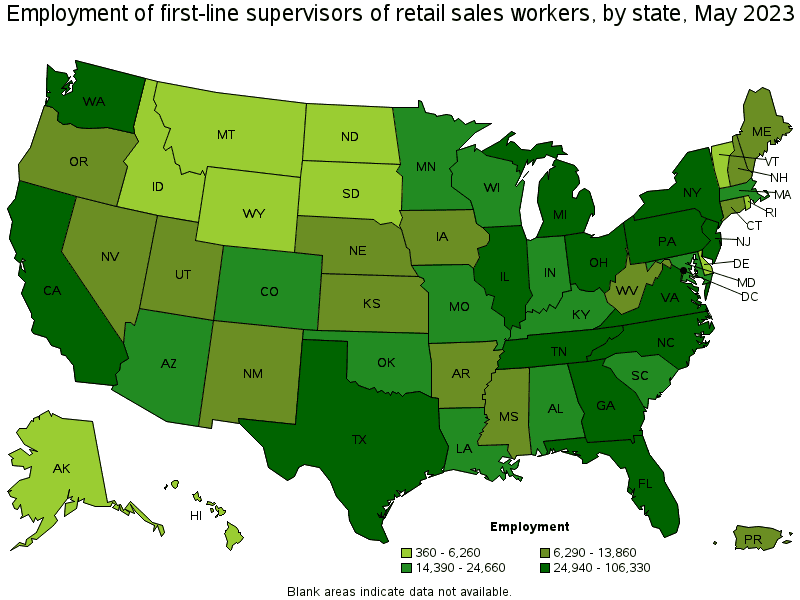
The money is only part of the story. The U.S. Bureau of Labor Statistics puts first-line supervisors of retail sales workers at a mean annual wage of $52,030 in its May 2023 data, which is close to the broader sales and related occupations average of $53,280. That puts the job in a middle-management zone: higher responsibility than hourly floor work, but still tied tightly to store performance, labor control, and execution. At Big Lots, that mix has become especially visible because the company has spent the past year managing store-level disruption while trying to keep sales, staffing, and operations moving.
What Big Lots supervisors actually do
This is not a better-paid version of cashiering. BLS defines first-line supervisors of retail sales workers as people who directly supervise and coordinate retail sales workers, and the duties can stretch beyond the sales floor into purchasing, budgeting, accounting, and personnel work. In practice, that means the role carries both people leadership and operational accountability. If you move into supervision, you are not just the person who knows how the store runs; you become part of the machinery that decides how the store runs.
For a Big Lots employee considering that jump, that distinction matters. The best supervisors are not only fast and reliable, they understand how orders are planned, how labor is assigned, how coaching changes performance, and how small decisions ripple through the budget. The work is less about doing one task well and more about keeping a whole store balanced when customer traffic, staffing levels, and inventory needs are all moving at once.
Why the Big Lots version of this job is unusually demanding
Big Lots operated 1,392 stores in 48 states as of May 4, 2024, which made store leadership jobs important across a large, spread-out footprint. The company also said its growth strategy included renewing leases, opening new stores, and relocating existing stores. That is the kind of environment where supervisors are constantly managing change, not just maintaining routine.
Then came the restructuring. Big Lots filed voluntary Chapter 11 petitions on September 9, 2024, to facilitate a sale of substantially all assets and business operations. Just days later, A&G Real Estate Partners was marketing 296 Big Lots store leases nationwide, then said it was accepting bids on 255 leases, including 51 new-to-market leases. Big Lots later said the court had approved a sale to an affiliate of Nexus Capital Management LP, but by December 19, 2024, the company said it did not anticipate completing that deal and was pursuing an alternative going-concern transaction. On December 27, 2024, Big Lots reached an Asset Purchase Agreement with Gordon Brothers Retail Partners, LLC, and the bankruptcy court approved that sale on January 2, 2025.

That sequence is a blunt reminder of what first-line supervisors often do in real life: they keep labor, inventory, customer service, and execution functioning through corporate upheaval. In a store facing lease changes, ownership shifts, or possible transfer to another operator, the supervisor is often the person who keeps the day from falling apart.
The pressure side of the promotion
The jump from hourly work to supervision is often sold as a reward for being dependable. It is that, but it is also a shift in who carries the stress. You get more influence, more visibility, and a clearer path upward, but you also inherit conflict resolution, schedule problems, attendance issues, and the pressure to explain results.
At Big Lots, that means managing the human side of the store while still being judged on the numbers. The role requires handling a team, but it also means owning the basics that corporate leaders care about most: sales, payroll, shrink, customer service, and operational consistency. When those numbers slip, the supervisor is usually the first person expected to explain why.
That is why the job is a real test of fit. If you like helping people succeed, keeping a floor organized, and making decisions that affect the whole store, the role can be a strong next step. If you mainly want a small raise without more conflict or responsibility, this is probably not the promotion to chase.
How to prepare before you take the leap
The best preparation is often invisible work. Learn the close process so you understand how a store ends the day and where mistakes pile up. Pay attention to shrink, because loss affects every layer of store performance. Watch scheduling closely, since labor is one of the clearest ways retail supervisors influence both morale and budget. And volunteer for training that gives you a wider view of operations, not just your own lane.
A practical path into supervision usually looks like this:
1. Learn how the store opens, closes, and resets.
2. Understand how staffing changes affect service and sales.
3. Ask how orders are placed and how inventory decisions are made.
4. Pay attention to coaching, attendance, and conflict handling.
5. Build comfort with the numbers that drive the store, especially labor and shrink.
Those steps matter because the role is a bridge between the sales floor and management. The more you understand the business side, the less likely you are to be surprised by what the job really demands.
What the pay says about the job
The BLS wage figure helps frame the tradeoff. At $52,030 annually, the job is not entry-level pay, but it is also not the kind of compensation that erases the workload. The broader sales and related occupations average of $53,280 shows that retail supervision sits near the center of the pay scale for the field, reflecting a role that blends frontline accountability with administrative responsibility. In other words, the paycheck recognizes that you are no longer just doing the work, you are responsible for the work getting done.
At Big Lots, where store-level leadership has had to adapt to lease changes, restructuring, and ownership uncertainty, that responsibility can feel heavier than the title suggests. For associates thinking about the move, the real question is not whether the role is a step up. It is whether you want the authority that comes with being the person who has to make the store function when the pressure is on.
This article was produced by Prism’s automated news system from verified source data, official records, and press releases, then run through automated quality and moderation checks before publishing. The system is built and supervised by the people who set the standards it runs under. Read our full AI policy.
Did this article answer your question?