Big Lots workers can use apprenticeships to move into higher-paying careers
Big Lots workers can turn store experience into a paid apprenticeship, and that credential can travel farther than a single retail job.
Why apprenticeship fits a Big Lots career path
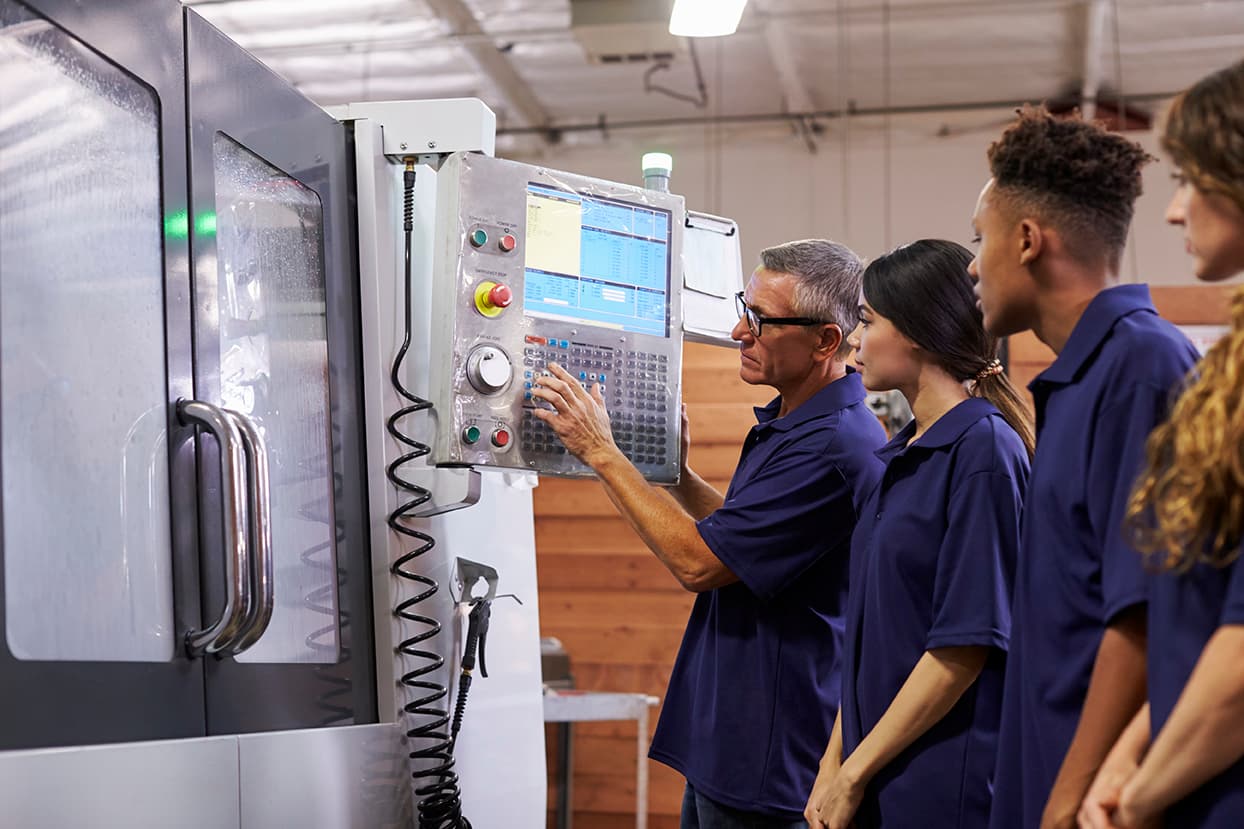
Apprenticeships are not just for construction and the trades. For Big Lots workers, that matters because the best next step may not be another retail title at all, but a structured route into a better-paid job with a clearer ladder. The U.S. Department of Labor says apprenticeships combine paid on-the-job training with classroom instruction, and the model is built to help workers build skills while helping employers recruit, build, and retain a highly skilled workforce.

That structure is what gives apprenticeship real value inside a volatile retail environment. Instead of learning informally and hoping the experience translates later, you are building a credential in a system designed to be portable. Registered Apprenticeship can include a mentor, progressive wage increases, classroom instruction, and a nationally recognized credential, which makes it a stronger bridge than casual cross-training or a loosely defined promotion track.
Who gets the most out of it
The workers most likely to benefit are the ones who already know how to keep a store moving and want that experience to count for more. That includes employees seeking advancement, career changers looking for a more stable path, and workers without degrees who still want a formal credential. If you already know how to handle customers, move quickly, stay organized, and solve problems under pressure, apprenticeship can turn those everyday retail skills into a different career lane.
That is especially useful in a company like Big Lots, where job titles can shift and store footprints can change quickly. Store experience is often more transferable than people think. Someone who has spent years managing inventory, helping customers, and keeping a location running has already built habits that matter in logistics, operations, maintenance, and supply chain work. Apprenticeship gives that background a structure and a title that can be understood outside one employer.
Where Big Lots experience can lead
The most obvious fit is in transportation, distribution, and logistics. Apprenticeship.gov identifies that industry as part of the registered apprenticeship system and lists high-demand occupations such as diesel mechanic, airframe and powerplant mechanic, avionics technician, truck driver, and storage and distribution manager. Those roles are not retail floor jobs, but they do reward the same kind of discipline Big Lots workers use every day: punctuality, reliability, problem-solving, and comfort working under pressure.
For workers who want to move beyond the sales floor, that is the big opportunity. A stockroom associate who understands inventory flow may be able to move toward distribution. A worker comfortable with equipment, building systems, or back-of-house operations may find a path into facilities or maintenance. A person who has spent years helping customers while juggling shipment timing and store priorities may be well suited for operations work, where process and consistency matter.
The important thing is that apprenticeship lets you earn while you learn. That makes it more realistic than stepping away for a traditional degree, especially if you need income now. It is also less temporary than a one-off internal training program, because the credential is designed to stand on its own if you leave the employer that trained you.
How to find the right program
Apprenticeship.gov is the main place to start. The Department of Labor describes it as a one-stop source that connects career seekers, employers, and education partners with apprenticeship resources. The site’s Job Finder tags opportunities tied to registered occupations or partner programs, which can help you separate formal apprenticeship pathways from programs that just use the word loosely.
If you want a starting point, the Office of Apprenticeship can help people get moving. That matters because the process can look confusing from the outside, especially if you have only seen apprenticeship in traditional trades. The federal system also includes state-level data, and Apprenticeship.gov’s dashboard currently runs through March 18, 2026, which gives workers a way to look for current patterns and openings rather than guessing where opportunities exist.
Why this matters now at Big Lots
The timing is not abstract. Big Lots filed for Chapter 11 bankruptcy on September 9, 2024, in the U.S. Bankruptcy Court for the District of Delaware. The company said it had been hit by inflation, high interest rates, and weaker spending on furniture and home decor, which are exactly the kinds of pressures that make retail jobs feel less predictable from one quarter to the next.
Around that filing, CNBC reported that Big Lots agreed to sell its business to Nexus Capital Management for about $760 million. The restructuring became more turbulent after that, with store-closing lists and the collapse of the original sale. Then a January 9, 2025 release from Gordon Brothers said its purchase of Big Lots’ assets helped facilitate a going-concern sale, preserve the brand, keep hundreds of stores open, and prevent thousands of layoffs.
That sequence is the real reason apprenticeships should be part of the conversation. When a company is shrinking, changing owners, or closing stores, workers need something more durable than a promise of stability. A portable credential gives you a way to carry your value into the next role, even if the store you work in today is not the one you are working in next year.
What this means day to day
For a Big Lots worker, apprenticeship is less about a distant career theory and more about making your current work count. It takes the reality of retail, customer service, fast pacing, inventory pressure, and constant adaptation, and turns it into a documented skill set that can travel into logistics, maintenance, operations, or supply chain work. The workers who benefit most are the ones who want advancement without waiting for a college degree to change their prospects.
In a business that has already shown how quickly store conditions can change, that portability is the point. A structured apprenticeship does not just offer training. It offers a way to leave retail with something durable in hand.
This article was produced by Prism’s automated news system from verified source data, official records, and press releases, then run through automated quality and moderation checks before publishing. The system is built and supervised by the people who set the standards it runs under. Read our full AI policy.
Did this article answer your question?