Big Lots workers have federal rights to pumping breaks and space
Big Lots workers are entitled to real pumping breaks, not makeshift favors. In a thinly staffed store, the law still demands privacy, planning, and a space that is not a bathroom.
Federal law gives nursing workers more than a courtesy break
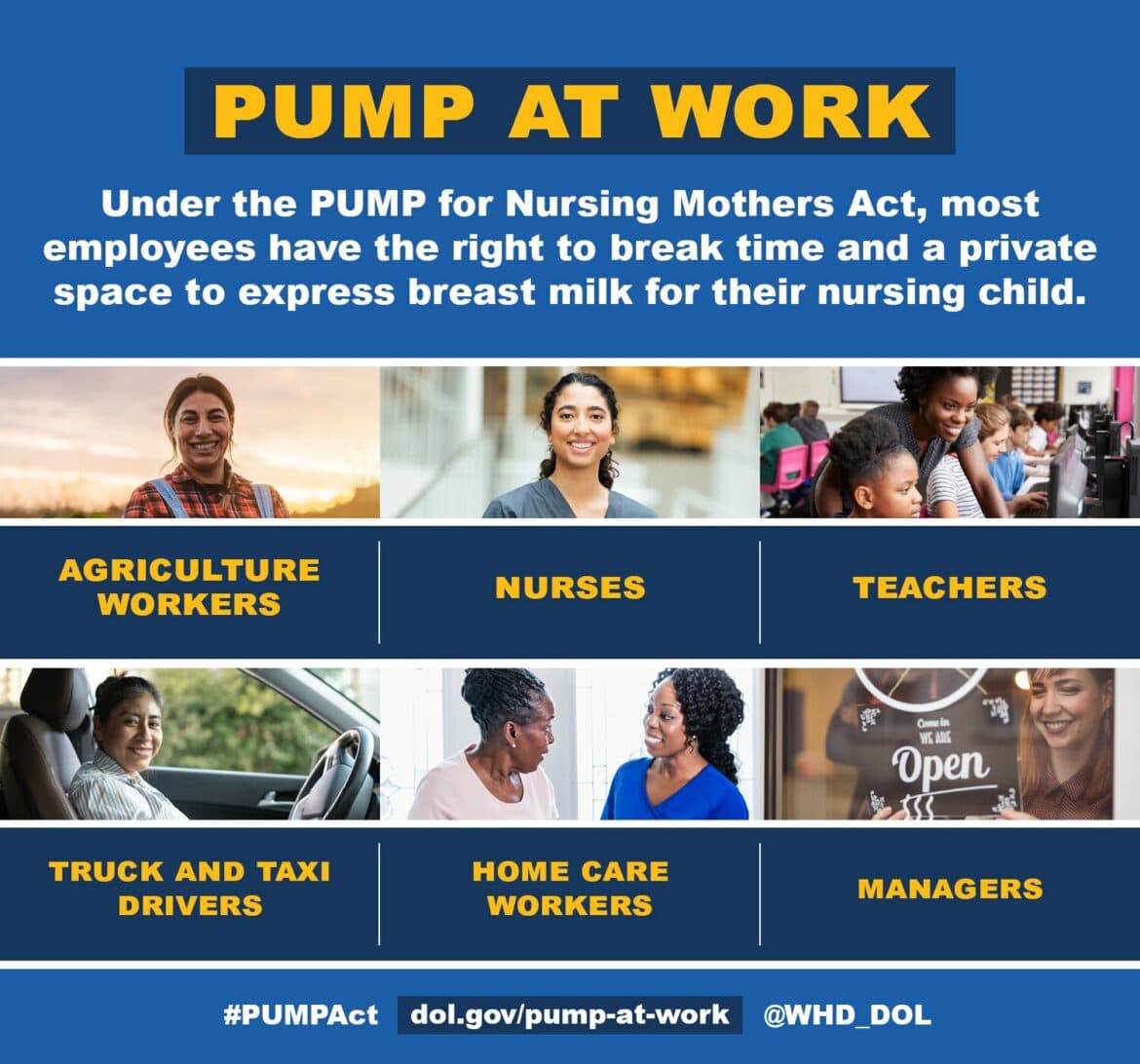
For Big Lots workers, pumping at work is a workplace right, not a manager’s favor. Under the Fair Labor Standards Act, most nursing employees are entitled to reasonable break time to express breast milk for up to one year after a child’s birth, and they must be given a place to pump that is shielded from view, free from intrusion, and not a bathroom.
That protection was expanded by the PUMP Act, which the U.S. Department of Labor says was signed into law on December 29, 2022. Federal guidance says the break time is owed each time the employee has need to express milk, which matters in a retail setting where a single shift can stretch across register coverage, freight, recovery and customer traffic. The point is simple: this is not a one-time courtesy or a “best effort” gesture. It is part of the job.
What the law requires on the floor
The Department of Labor says the space has to do more than provide a place to sit. It must be functional for expressing breast milk, available as needed, and able to support safe storage of breast milk. The agency’s guidance also makes clear that even a private bathroom does not qualify.
That detail matters in stores where back-room space is limited and every square foot seems already spoken for. A fitting room, stockroom corner, office, or unused break area may work if it is shielded from view and free from intrusion. A restroom does not. A setup that forces a worker to improvise, rush, or pump in a space that opens to traffic is not compliance, even if management describes it as accommodation.
The U.S. Equal Employment Opportunity Commission adds another layer. It says employees and applicants who need a time and place to pump at work have rights under federal laws including the FLSA and the Pregnant Workers Fairness Act. Under the PWFA, covered employers with 15 or more employees generally must provide reasonable accommodations unless doing so would create an undue hardship.
Why retail can make compliance harder, and why that is not an excuse
Big Lots is a useful case study because retail is often built on tight labor, narrow margins and limited physical space. When the floor is thinly staffed, managers can be tempted to treat pumping as an ad hoc problem, solved only when somebody remembers to cover the register or the truck. That approach clashes with federal guidance, which expects planning, privacy and a usable space built into the workday.
The company itself is also in a period of change. Big Lots filed for Chapter 11 bankruptcy on September 9, 2024, and later said it was purchased out of bankruptcy in 2025. Its current website says the new Big Lots will operate 219 stores in 15 states under Variety Wholesalers, a company with more than 70 years of discount retail experience.
That restructuring makes consistency even more important. When a chain is moving through ownership change and store-network shifts, workers need policies that travel with the business, not rules that vary by manager, district or store layout. A right that depends on who is on duty is not much of a right.
What a compliant setup can look like
A compliant pumping setup does not have to be luxurious. It does have to be real. In practice, that means the store should build the break into coverage the same way it covers lunches, register rotation, freight tasks and customer service demands.
- a non-bathroom room or area that can be locked, screened or otherwise protected from view
- a predictable schedule for coverage so the worker is not forced to wait indefinitely
- a chair, table or other functional surface for pumping equipment
- access to a nearby refrigerator or another safe storage arrangement for milk
- clear expectations with supervisors so the break is not treated as an emergency every time it happens
A workable setup in a small-format retail store could include:
The key is usability. A room that exists only on paper, or one that is so packed with supplies that it cannot actually support pumping, misses the point. The law is about practical access, not symbolic access.
What to do if a manager offers a bathroom or a bad workaround
If the only option offered is a restroom, that is not compliant under federal guidance. The same is true if the arrangement is so awkward that it effectively denies the worker a real break, such as sending someone to pump in a space that is routinely entered by other employees, used for storage, or unavailable whenever the store gets busy.
Workers are in a stronger position when they ask early and keep the request specific. A clear request can state the need for reasonable break time, a private non-bathroom space, and any coverage details the manager needs to schedule around. The goal is not confrontation. It is to make the accommodation part of the store’s normal staffing plan before a shift becomes chaotic.
If a store offers an arrangement that does not meet those standards, workers should press for a usable alternative in writing when possible. A brief, plain request is often enough to show that the need was raised and that the proposed solution was not workable. Supervisors who want to stay on solid ground should move quickly from improvisation to a routine setup that protects privacy and keeps the floor running.
The practical lesson for Big Lots
This is where policy meets reality. Big Lots workers do not need a special exception to pump. They need a store structure that recognizes nursing as a normal part of working life, not an inconvenience to be managed only when someone complains.
For managers, that means building coverage before the shift starts and assigning a space that is actually fit for the purpose. For workers, it means knowing that federal law supports a private, non-bathroom space and reasonable break time each time pumping is needed. In a company that is reorganizing its footprint and redefining its future, the most basic workplace protections should not be left to guesswork.
This article was produced by Prism’s automated news system from verified source data, official records, and press releases, then run through automated quality and moderation checks before publishing. The system is built and supervised by the people who set the standards it runs under. Read our full AI policy.
Did this article answer your question?