Big Lots Workers Learn Why Off-Price Retail Runs on Speed and Discipline
Big Lots’ store chaos has a system behind it: fast turns, opportunistic buying, and tight inventory discipline decide what hits the floor and what sells.

Off-price only looks random from the aisle
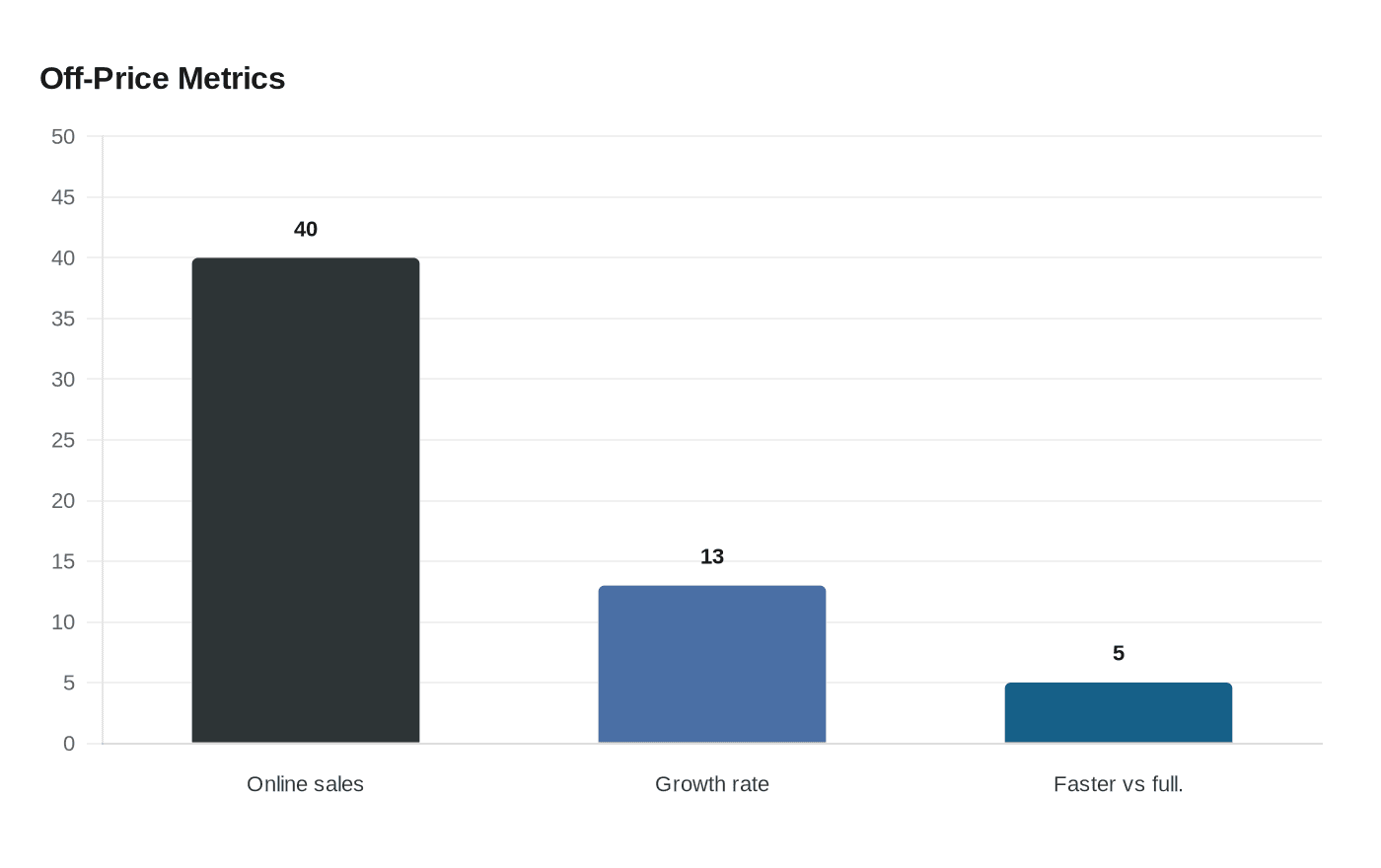
What can feel like chaos on a Big Lots sales floor is usually discipline in disguise. Off-price retail runs on speed: merchandise arrives when it appears, not when a neat assortment plan says it should, and the store has to turn it into sales before the next wave shows up. McKinsey says the channel was already expanding faster than the broader fashion market before the pandemic and is projected to grow five times faster than full-price retail from 2025 to 2030, which helps explain why the model keeps pulling traffic even when the floor looks uneven.
That matters because the business is not built around steady replenishment. It is built around resource velocity, where inventory moves quickly, markdown risk stays contained, and the store is always making room for the next opportunity. For workers, that means the daily grind of putting out product, cleaning up displays, and correcting the shelf is not just store maintenance. It is part of how the company earns money.
Why the mix changes so fast
The off-price model depends on opportunistic sourcing. Agree Realty’s white paper says operators buy from closeouts, local retailers, direct vendors, and excess stock, which means the mix is shaped by what is available to buy, not just what a central planogram wants to feature. That creates the treasure-hunt effect customers like, but it also means one category can suddenly look full while another seems thin.
A lean inventory structure is the other half of the equation. Agree Realty says that leaner setup drives higher inventory churn than department stores and helps control markdowns. In plain terms, the store has less room to sit on goods that do not move. If something is not selling, the pressure to price it right, place it well, or clear it out is immediate.
McKinsey also notes that online sales account for 40% of the off-price market and are growing about 13% a year. That is a reminder that off-price is not just a rack-and-randomness story in a physical store. The same discipline has to work across channels, because the customer now expects the bargain hunt to be both in-store and digital.
What the floor team is really doing
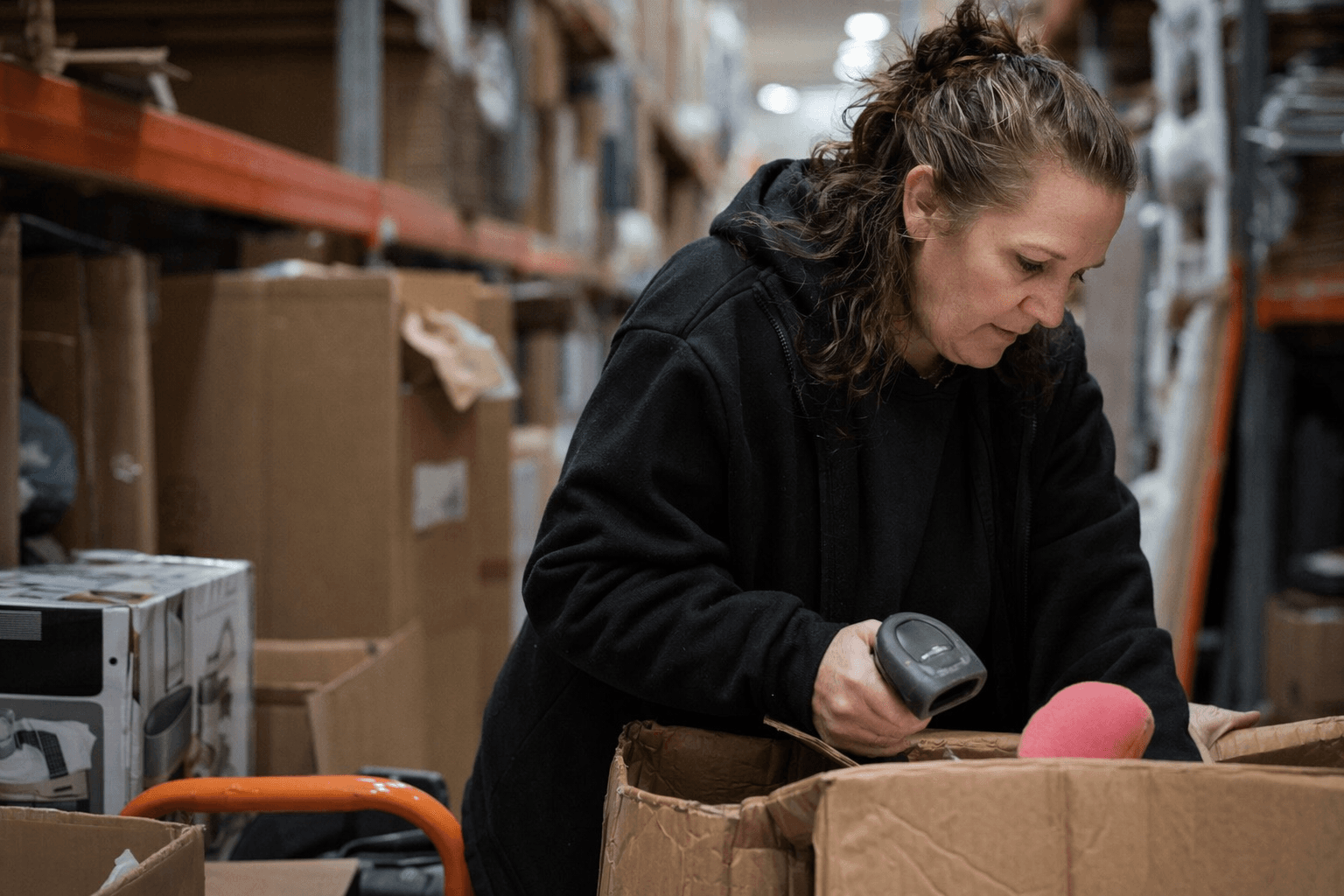
For Big Lots associates, the job is bigger than unloading cartons. The store team is helping convert unpredictable inventory into a fast-moving customer experience. That makes speed to shelf, clean presentation, signage, and smart replenishment core business tasks, not cosmetic chores left over after the “real” work is done.
This is where off-price gets misunderstood. Uneven replenishment is not automatically a sign that something has gone wrong. Sometimes the merchandise simply arrived in a burst, or the category is being fed opportunistically, or the next deal has not landed yet. The model is supposed to flex, and that flexibility is what lets the chain offer fresh surprises and branded bargains without carrying a heavy layer of stale product.
The downside is that execution errors are expensive. A messy display, poor sign placement, or slow restock can make a bargain look like leftover junk. In a business with less room for slow inventory, presentation is not polish around the edges. It is part of the sales engine.
How Big Lots described its own strategy
Big Lots has long described its merchandising in the language of bargains and closeouts. In its fiscal 2024 SEC filing, the company said it implements merchandising through “Bargains and Extreme Bargains” and high-quality closeouts on name-brand items. It also said it planned to increase penetration of extreme bargains and closeouts, improve merchandise presentations that highlight its best deals, and drive basket growth and visit frequency.
That language matters because it links the store experience to the financial model. If the company wants more basket growth and more visits, then the front-end work on presentation and replenishment is part of the promise to customers, not just a backroom task. The deal has to be visible quickly, or the shopper walks out without adding anything to the basket.
This is also why off-price chains can look inconsistent to workers and still be operating exactly as designed. The assortment swings because the source flow swings. The challenge is not to smooth every edge out of the model, but to make the floor read as discovery instead of disorder.
Why the pressure on Big Lots got so intense
Big Lots’ off-price roots are not a side note. The company traces its history to 1967, when it began as Consolidated Stores, and it opened its first Odd Lots closeout store in 1982. The closeout business was not something the company adopted later as a trend. It was part of the identity from the start.
That made 2024 especially painful. Big Lots operated 1,392 stores on February 3, 2024 and again reported 1,392 stores on May 4, 2024, before filing for Chapter 11 bankruptcy protection on September 9, 2024 in the U.S. Bankruptcy Court for the District of Delaware. The company said high interest rates and a sluggish housing market were hurting demand for its low-priced furniture and decor, a reminder that even a value chain can get squeezed when customers pull back on big-ticket home purchases.
The restructuring then moved from bankruptcy to liquidation pressure. Big Lots later entered a going-out-of-business process after a sale to Nexus Capital Management fell through. On December 27, 2024, it reached an asset purchase agreement with Gordon Brothers Retail Partners that allowed stores, distribution centers, and intellectual property to be transferred to other retailers and companies, including Variety Wholesalers.
What workers should take from the model
For people working at or following Big Lots, the lesson is not that the floor should always look neat or that every category should replenish in a straight line. It is that off-price retail is built to be opportunistic, selective, and fast. The best stores make that speed visible through clean presentation, quick turns, and a constant sense that a good deal can appear anywhere in the building.
That is the discipline behind the chaos. The inventory swings, the surprise bargains, and the uneven shelves are not always signs of failure. In an off-price chain, they are often the operating system.
Know something we missed? Have a correction or additional information?
Submit a Tip