Big Lots workers should know special enrollment rules before coverage loss
If Big Lots coverage is ending, the 60-day clock starts fast, and missing it can leave a gap. Workers should save proof now and act before the window closes.

Why the clock matters now
If your Big Lots health coverage is ending, the most important thing to know is that the deadline starts running immediately. HealthCare.gov gives you a Special Enrollment Period when you lose qualifying health coverage, and that window usually runs for 60 days before or after the life event. For workers, that means a job-based coverage loss is not just an HR issue. It can become a race against the calendar.
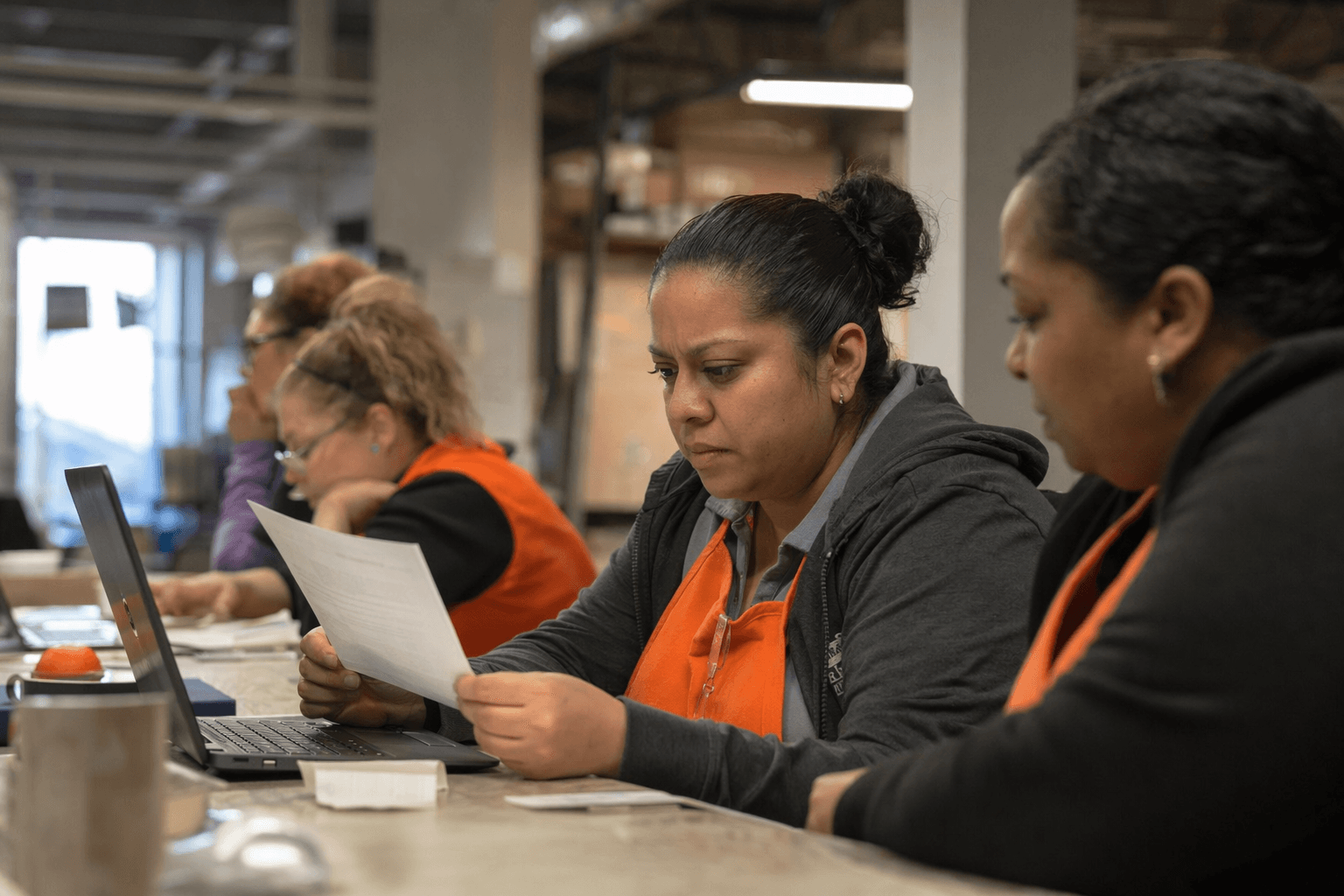
That urgency is sharper at Big Lots because the company has been through a prolonged restructuring that has already changed the ground under store employees. Former BL Stores, Inc., formerly Big Lots, Inc., and its subsidiaries filed voluntary Chapter 11 proceedings on September 9, 2024, in the U.S. Bankruptcy Court for the District of Delaware. The company first listed 344 stores for closure, then added 49 more on September 20 and 58 more on September 27. Even when a paycheck continues, a reduced schedule can alter benefits eligibility, and in a retail chain under this much strain, that is the kind of shift that can catch people off guard.
How the special enrollment window works
HealthCare.gov says losing job-based coverage qualifies you for a Special Enrollment Period, and that you generally have 60 days to apply for Marketplace coverage after the coverage ends. If you are expecting to lose coverage in the next 60 days, you may also be able to start the process before the end date arrives. The Marketplace coverage can begin the first day of the month after your job-based coverage ends, which is one reason waiting until open enrollment is the wrong move if you already know your benefits are changing.
There is another detail workers often miss: you may be asked to provide documents confirming that your coverage ended. HealthCare.gov also says job-based plans must provide a Special Enrollment Period of at least 30 days, so there can be a separate employer-plan window as well. That does not replace the Marketplace deadline. It means you may have more than one clock ticking at the same time, and the safest move is to treat the earliest one as the one that matters.
What Big Lots workers should do first
The first task is to pin down the exact day your employer coverage ends. If your hours are cut, if your store is closing, or if your status changes, do not rely on assumptions about when your benefits disappear. Save every notice that shows the end date, because that date is what will anchor your Special Enrollment Period and may be the document you need later.
Next, compare Marketplace plans before the old coverage disappears. HealthCare.gov says people who lose job-based coverage can apply for Marketplace coverage within 60 days, and for many workers that is the cleanest way to avoid a gap. If your household income has dropped because your hours were reduced, you may also qualify for savings based on income and household size. That matters in retail, where a schedule cut can happen without a formal layoff, but the hit to your health coverage is just as real.
If you are already within the window, do not wait for a perfect answer from HR. Apply, keep proof of the coverage loss close at hand, and be ready to send it when requested. HealthCare.gov says you may be able to pick a plan first and submit documents later, but that does not mean you should delay gathering them. The document request can arrive before coverage starts, and a slow response can slow down the protection you were trying to secure.
Why Big Lots workers need to pay attention before a cut lands
Big Lots remains a large enough employer that any benefits disruption can affect a lot of people at once. The company’s store locator listed 219 locations, which shows the chain is still operating even as closures continue to reshape it. Big Lots’ corporate-facing materials also still point to ongoing hiring and customer support, a reminder that the company is not disappearing overnight, even while bankruptcy and store closures keep changing the job picture.
That is exactly why workers should think about coverage before the schedule changes arrive. A store closure, a transfer, or a sharp drop in hours can turn into a health coverage problem faster than many employees expect. In a company under Chapter 11 and moving through store closures and a reported sale process involving Nexus Capital Management, the safe assumption is not stability. It is volatility.
If your hours fall below eligibility thresholds
For Big Lots employees whose hours slip below plan-eligibility levels, the Marketplace may be the bridge that keeps you insured. If you are unemployed, or effectively pushed into a lower-income position by a reduced schedule, HealthCare.gov says Marketplace coverage can offer savings based on your income and household size. And if you qualify for Medicaid or CHIP, you can enroll any time.
That flexibility matters because retail workers often assume they have to wait for open enrollment once employer coverage changes. They do not. Losing job-based coverage opens a separate path, and for workers trying to avoid a coverage gap after a store closure or hours cut, that path may be the fastest way to stay protected.
The practical takeaway
For Big Lots workers, the real deadline is not the next open enrollment period. It is the day your current coverage ends. Once that date is on the calendar, the 60-day window is already working against you, and the most useful move is to act as if the clock has started even before the paperwork arrives. In a restructuring this deep, the worker who tracks the coverage end date first is the one least likely to end up uninsured.
This article was produced by Prism’s automated news system from verified source data, official records, and press releases, then run through automated quality and moderation checks before publishing. The system is built and supervised by the people who set the standards it runs under. Read our full AI policy.
Did this article answer your question?