Carter’s seeks tariff refunds, a warning for Big Lots pricing pressures
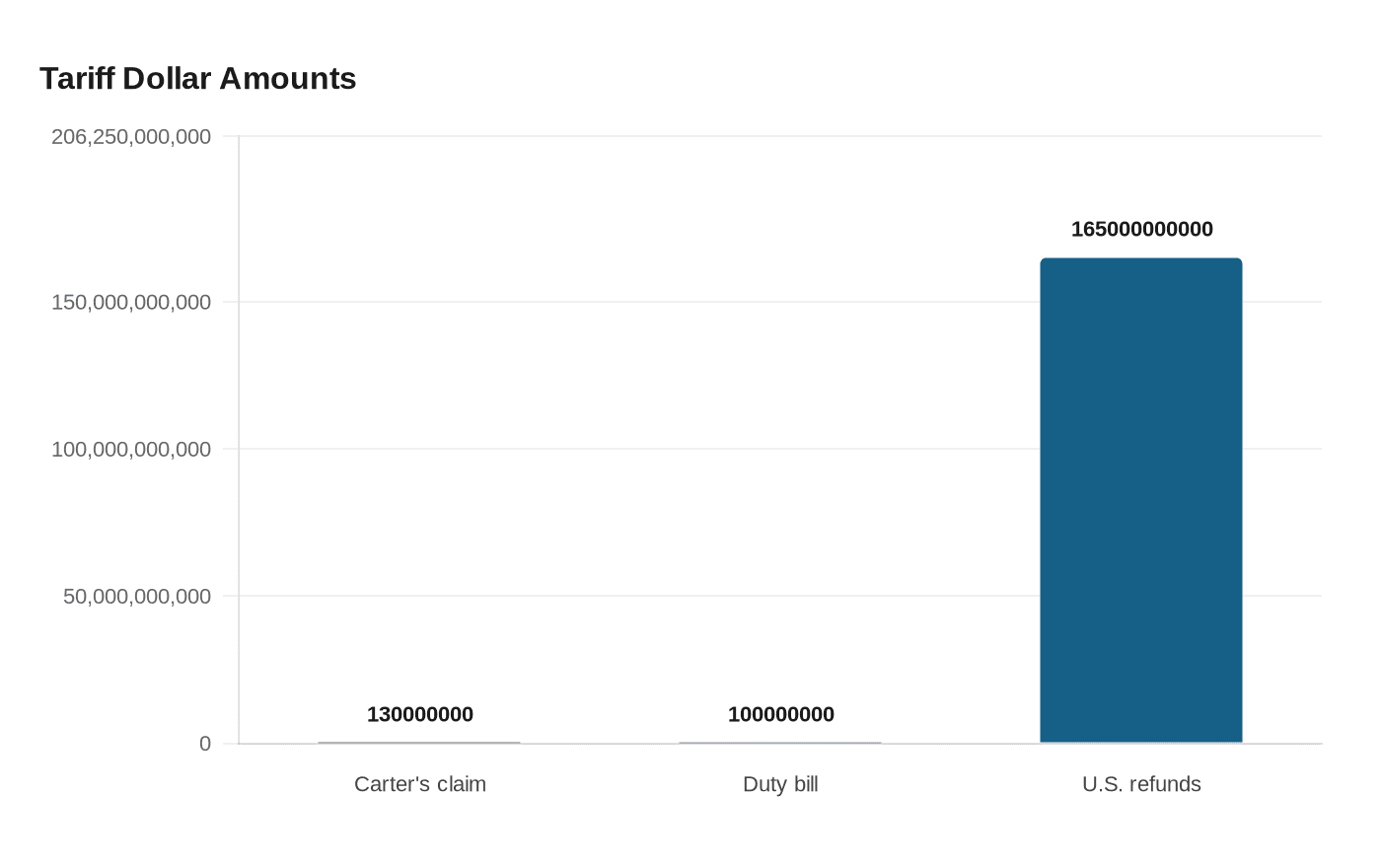
Carter’s is chasing about $130 million in tariff refunds, a sign that import costs can still shift pricing, margins and promotions for Big Lots-style retailers.
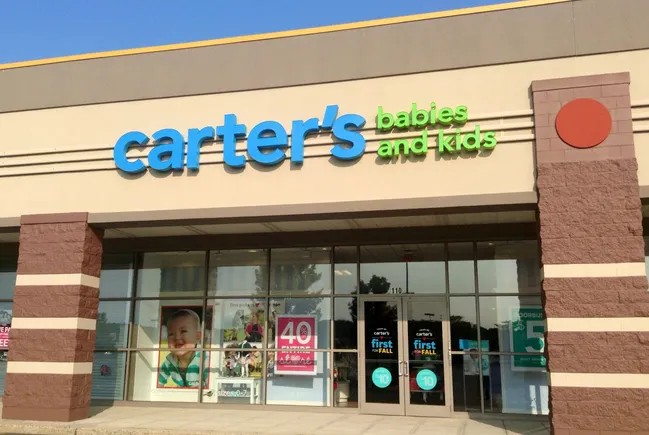
Carter’s has filed for about $130 million in tariff refunds tied to IEEPA-related charges, a reminder that tariff relief can change more than earnings. It can also open or close room for pricing, promotions, markdowns and vendor negotiations, the same pressure points that shape store-floor decisions at value retailers.
Richard Westenberger, Carter’s interim president and CEO, said the company is watching the refund process closely. Carter’s said its historical annual import duty bill has been a little over $100 million, but additional duties pushed its effective rate much higher. That gap explains why the company is pursuing refunds and why tariff risk still has not gone away, even after a legal shift that favored importers.
The issue matters for Big Lots because the chain built its business on imported home décor, furniture, groceries, seasonal goods and private-label brands sold at value prices. As of May 4, 2024, Big Lots operated 1,392 stores in 48 states and an e-commerce platform. It later filed voluntary chapter 11 petitions on September 9, 2024, and announced on December 19, 2024 that it would close all stores, a sharp example of how quickly margin pressure and inventory disruption can ripple through a discount retail model.
For workers in stores, distribution and merchandising, tariff swings are not abstract. Higher import costs can narrow the room buyers have to price aggressively, while refunds or lower duties can create more flexibility to sharpen promotions, protect gross margin or hold onto volume. That can affect what lands on the floor, whether a product is stocked as an everyday item or a short-term buy, and how often customers see price changes at the register.
The legal backdrop has also moved fast. On February 20, 2026, the U.S. Supreme Court ruled 6-3 that IEEPA does not authorize tariffs. Industry analyses say the U.S. Court of International Trade then ordered U.S. Customs and Border Protection to refund roughly $165 billion in unlawfully collected IEEPA duties across more than 330,000 importers and more than 53 million entries. CBP said it is developing CAPE within ACE to streamline refund requests and launched Phase 1 of the process on April 20, 2026.
That makes Carter’s refund filing more than a one-off cash claim. It is a test of whether tariff relief becomes a real operating tool for retailers that depend on imported goods, or just temporary breathing room in a policy environment that can change again. For Big Lots-style chains, the answer will show up in sourcing flexibility, pricing discipline and how much pressure lands on the people making assortment and store-level decisions every day.
This article was produced by Prism’s automated news system from verified source data, official records, and press releases, then run through automated quality and moderation checks before publishing. The system is built and supervised by the people who set the standards it runs under. Read our full AI policy.
Did this article answer your question?