EEOC harassment and retaliation rules clarify Big Lots workers' rights
Big Lots’ shrinkage makes EEOC rules practical, not abstract: harassment can be illegal before it gets extreme, and retaliation can start with a schedule change.
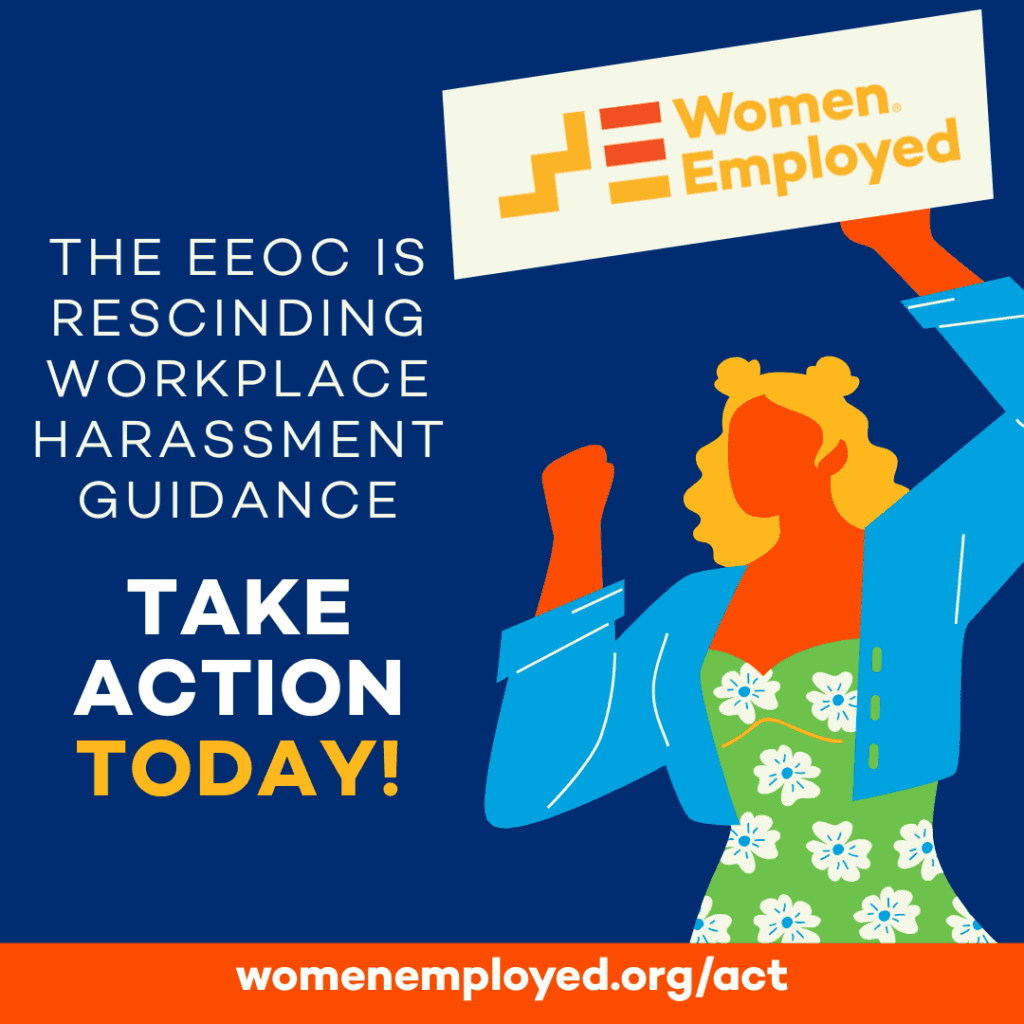
The point of the EEOC’s harassment guidance is not just to define bad behavior. It gives Big Lots workers a way to separate ordinary workplace conflict from conduct that may trigger legal protection, especially in a company that has spent the last two years under intense financial strain and store-by-store change.
What counts as harassment, and what does not
Harassment becomes a legal issue when it is tied to race, color, religion, sex, including pregnancy and gender identity, national origin, age 40 or older, disability, or genetic information. The EEOC says it is unlawful when enduring it becomes a condition of keeping the job or when it is severe or pervasive enough to create a hostile or abusive work environment.
That standard matters because not every rude exchange is illegal. Petty slights, one-off tension, and isolated minor incidents usually do not rise to the level of unlawful harassment. But repeated slurs, unwanted sexual conduct, hostile comments tied to a protected trait, or a pattern of intimidation can cross the line quickly, especially if the conduct is coming from a supervisor, a coworker, an agent of the employer, or even a non-employee such as a vendor or customer.
For Big Lots workers, that distinction is important on a floor where tempers can run high during staffing cuts, reduced hours, and restructuring. A bad day is not automatically a civil rights violation. A pattern of conduct tied to who you are, or aimed at forcing you out, is a different story.
Why the company’s collapse makes these rules more urgent
Big Lots entered 2024 operating 1,392 stores in 48 states and an e-commerce platform. By September 9, 2024, it had filed for Chapter 11 bankruptcy, saying high interest rates, a sluggish housing market, and weaker demand for furniture and home decor had squeezed the business. The restructuring later led to hundreds of store closures, with reporting indicating roughly 400 or more locations were on the chopping block by late 2024.
That kind of collapse changes the atmosphere inside a retail chain. When people fear layoffs, store closures, or lost hours, they can hesitate to report harassment because they worry about being labeled difficult or expendable. In that setting, even subtle pressure can carry outsized weight, and managers under strain may blur the line between performance management and punishment.
Big Lots’ own site says the company was purchased out of bankruptcy in 2025 by Variety Wholesalers, and that the new Big Lots will operate 219 stores in 15 states. That drastic shrinkage matters for workers because it shows how much the company has changed, and how little room employees may think they have to speak up. But the law does not disappear when a company is distressed.
When retaliation starts
The EEOC’s retaliation rules protect workers who file a charge, help with an investigation, oppose discrimination, or communicate with management about harassment or other EEO issues. In plain terms, if you raise a protected complaint, your employer cannot punish you for doing it.

Retaliation is often quieter than harassment, which is why it can be easy to miss. It can show up as a bad evaluation, a transfer to a worse shift or position, extra scrutiny, threats, or work becoming harder after you complain. A sudden schedule change is not always retaliatory by itself, but if it follows protected activity and looks like punishment, it deserves to be treated seriously.
The key point is timing and context. You do not have to wait until the situation becomes extreme before speaking up, and you should not assume that pressure, a schedule shuffle, or cold treatment is just part of the job. If the change follows a complaint or other protected activity, it may be retaliation.
How to protect yourself if you speak up
Documentation is the worker’s best shield. Keep copies of texts, schedules, messages, write-ups, and any complaint you make through the chain of command. Write down dates, names, what was said, who witnessed it, and how management responded, because retaliation claims often turn on whether the treatment changed after you raised concerns.
- the date and time of each incident
- the people involved and any witnesses
- the exact words used, if you can remember them
- copies or screenshots of schedules, texts, and emails
- notes showing when you reported the problem and to whom
A practical record should include:
Report early through the chain of command, not after months of silent buildup. The goal is to create a clear paper trail that shows what happened, when it happened, and how the company responded. That paper trail can matter whether the issue stays internal or later turns into an EEOC charge.
What Big Lots says on paper, and why that gap matters
Big Lots’ careers language says it is committed to an inclusive workplace and lists protections based on race, color, national origin, religion, gender, gender identity, sexual orientation, genetic information, marital status, veteran status, disability, and age. On its contact page, the company lists headquarters in Columbus, Ohio, and a store support center in Henderson, North Carolina. Those details matter because they show where accountability sits when store-level workers need an answer from management.
Still, the real test is not the policy statement. It is whether workers can raise concerns without being chilled by fear of a schedule cut, a demotion, or a forced exit. In a year when the EEOC said it filed 110 lawsuits and more than 40 of them alleged retaliation, with systemic harassment remaining a stated priority, Big Lots employees are operating in a legal environment that is watching these cases closely.
For workers, the message is straightforward: the law protects more than the worst-case scenario. It also protects the first complaint, the first paper trail, and the first sign that management is turning a protected report into punishment.
This article was produced by Prism’s automated news system from verified source data, official records, and press releases, then run through automated quality and moderation checks before publishing. The system is built and supervised by the people who set the standards it runs under. Read our full AI policy.
Did this article answer your question?