Mattel earnings show toy demand holding, a signal for Big Lots shoppers
Mattel's sales rose 4% to $862 million, with Hot Wheels, Uno and Monster High driving growth even as Barbie and Fisher-Price softened.
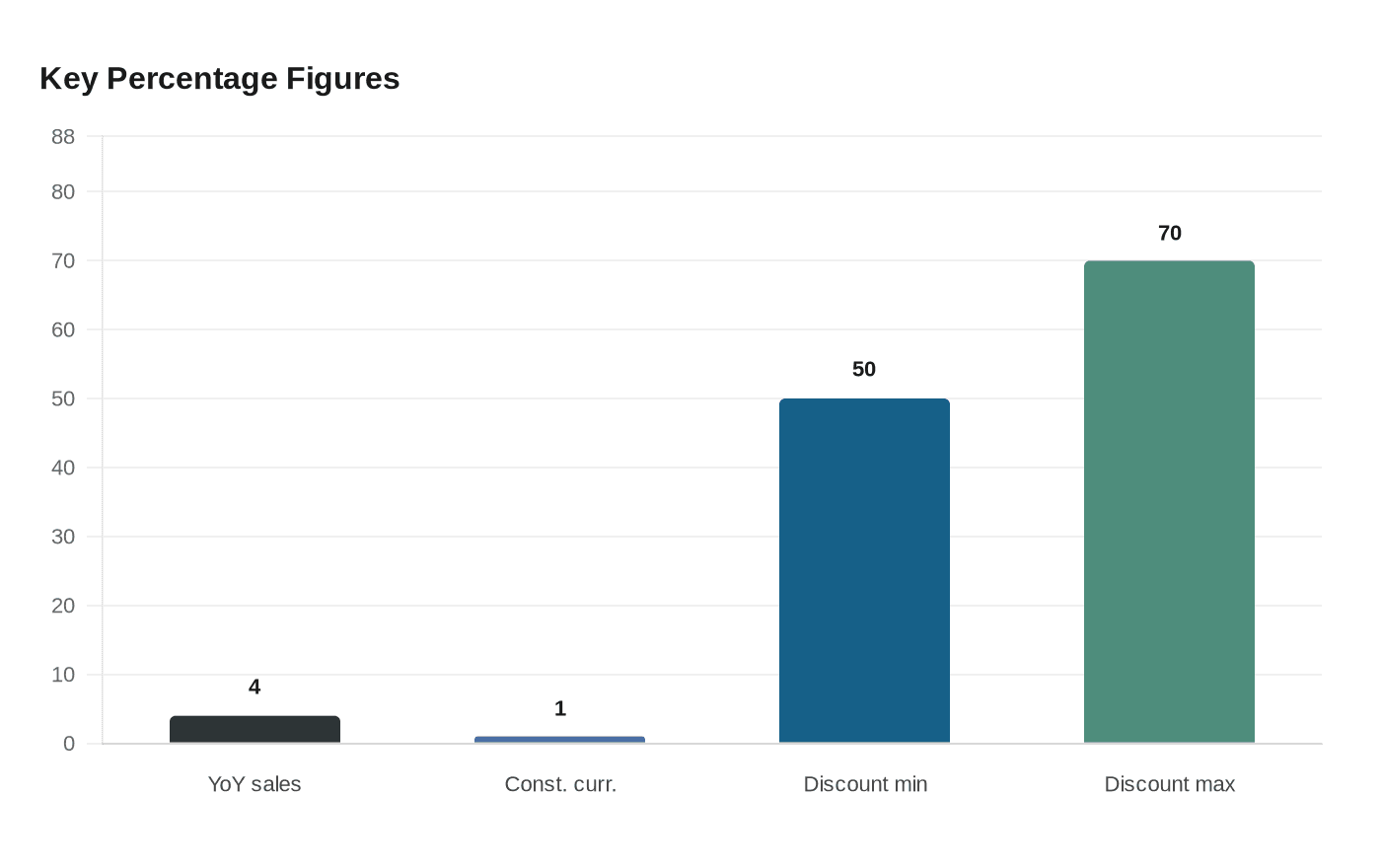
Toys are still moving, but shoppers are being selective, and that matters for Big Lots stores that live on sharp pricing and fast-turning gift merchandise. Mattel said first-quarter 2026 net sales rose 4% year over year to $862 million, or 1% in constant currency, and the company swung to net income. Chief Executive Ynon Kreiz said consumers are buying toys and that the category is healthy, a useful signal for any discount chain watching whether traffic is really coming back or just shifting around.
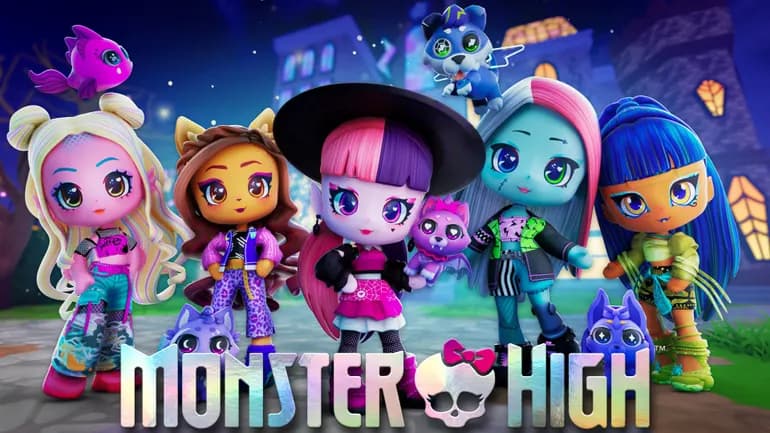
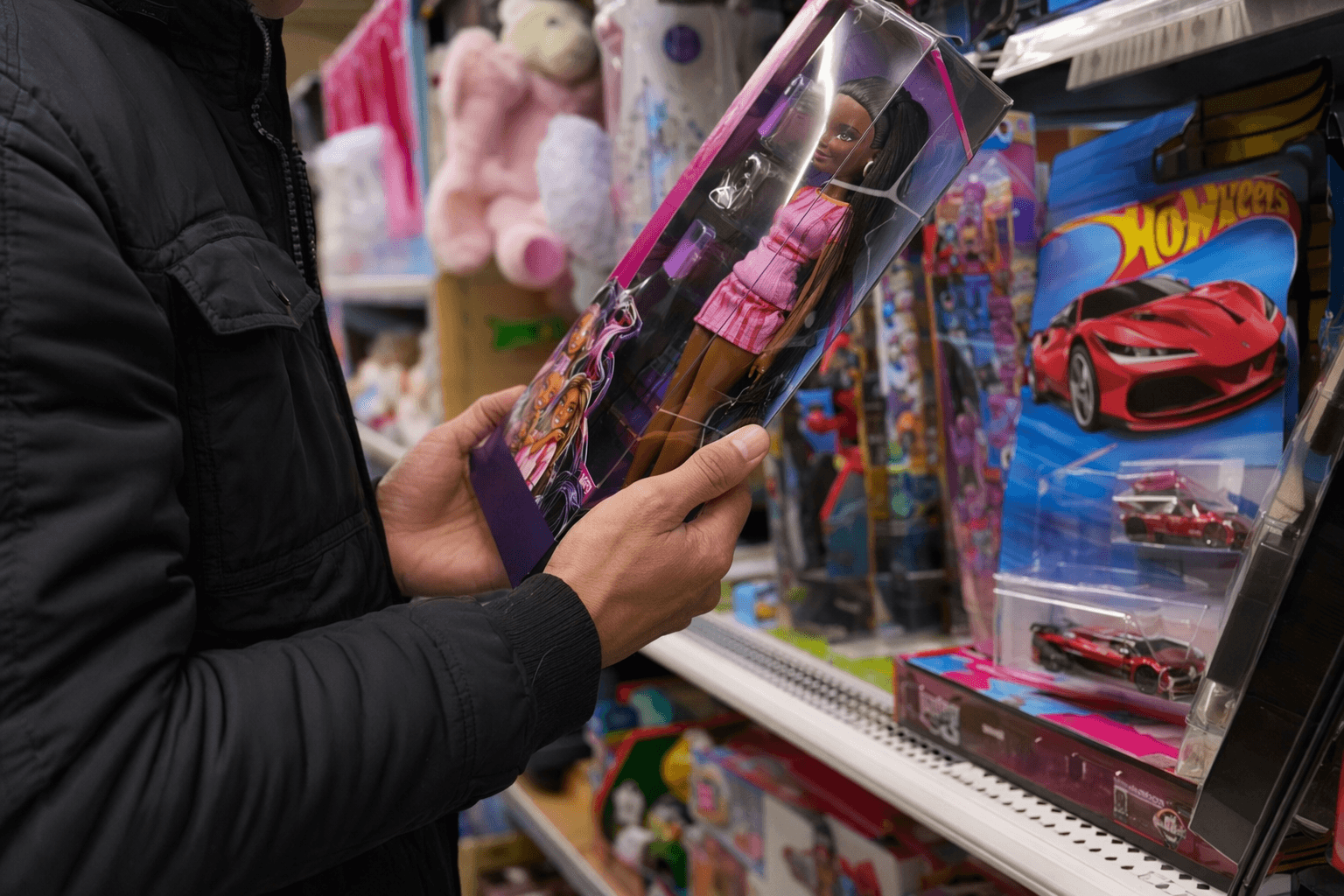
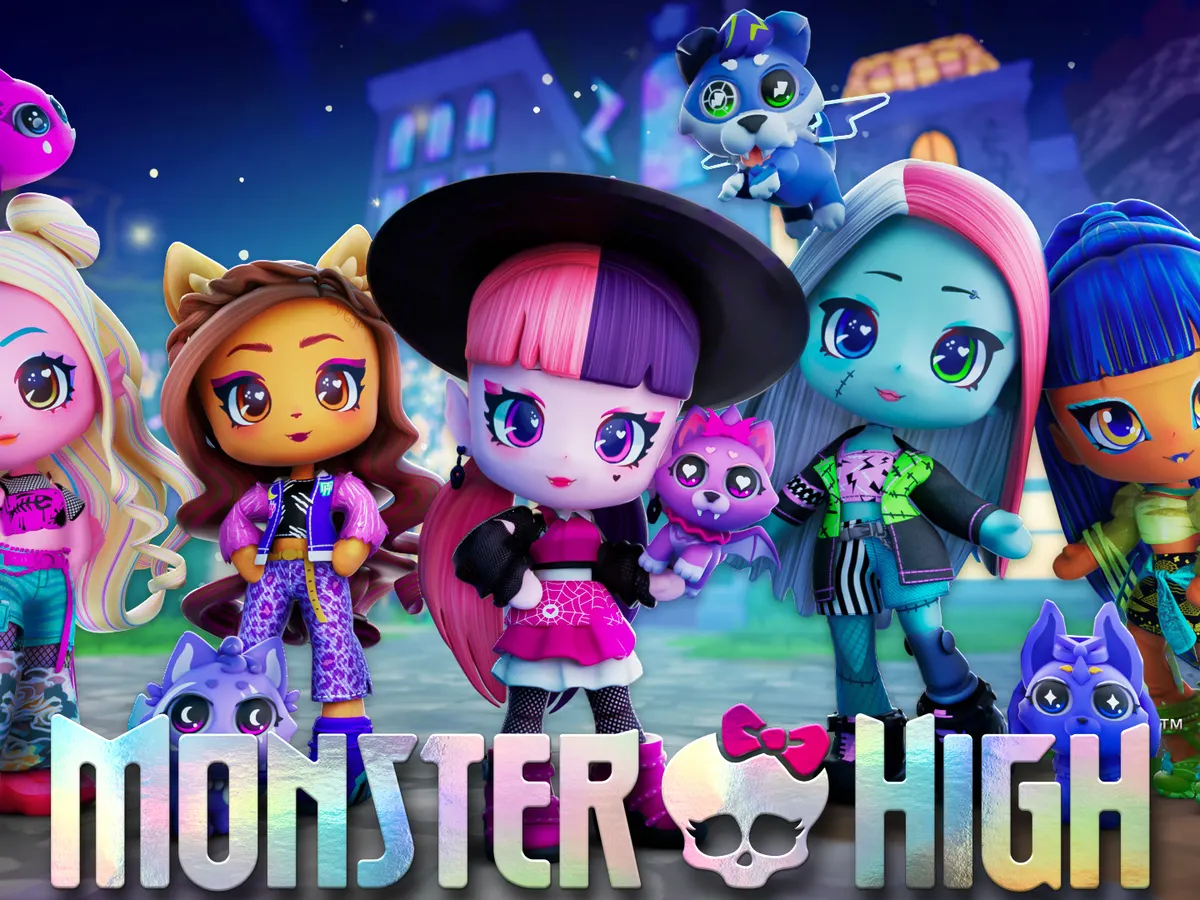
The details point to a market that rewards the right brands more than a broad wall of product. Mattel said global point-of-sale rose in the mid-single digits in the quarter, helped by Hot Wheels, Uno, Monster High, Masters of the Universe and Mattel Brick Shop. Barbie and Fisher-Price were softer. That split matters on a Big Lots sales floor, where aisles have to work harder than in a traditional toy store. Shoppers looking for a quick gift or a low-risk treat tend to gravitate toward names they know, and the brands that moved for Mattel are exactly the kind of labels that can help a discount floor feel current without carrying too much dead stock.
Mattel also said it expects to achieve its full-year 2026 guidance even while dealing with tariff and currency pressure on margins. The company repurchased $200 million in shares during the quarter and said the global theatrical release of Masters of the Universe is set for June 5, 2026. For Big Lots, that mix suggests the toy category is still worth chasing, but only with tight buying discipline, frequent resets and pricing that feels like a deal rather than a markdown after the fact.
Big Lots has leaned into that kind of closeout logic before. In February 2024, the company said it had bought the full Hearthsong inventory, adding more than 500 stock-keeping units across indoor and outdoor toys, games, STEM items and kids’ décor, priced at 50% to 70% off original retail. The move showed how management viewed toys as a high-value traffic driver even as furniture and décor weakened. Later that year, on September 9, 2024, former BL Stores and subsidiaries filed for voluntary Chapter 11 protection as higher rates and softer furniture demand squeezed the business.
Now under Variety Wholesalers, Big Lots has been rebuilding store count and assortment. The company said the June 5 reopening phase would bring the total number of reopened stores to 219 across states including Florida, Georgia, Kentucky, North Carolina, Ohio, Pennsylvania, South Carolina, Tennessee and Virginia. Against that backdrop, Mattel’s numbers point to a simple operating lesson: toy demand has not vanished, but the stores that win will be the ones that keep shelves fresh, promotions pointed and familiar brands easy to find.
Know something we missed? Have a correction or additional information?
Submit a Tip