OSHA warns Big Lots workers about hidden indoor heat risks
OSHA says Big Lots workers can face heat stress in stockrooms and unloading areas, where summer freight work can turn into a medical emergency.
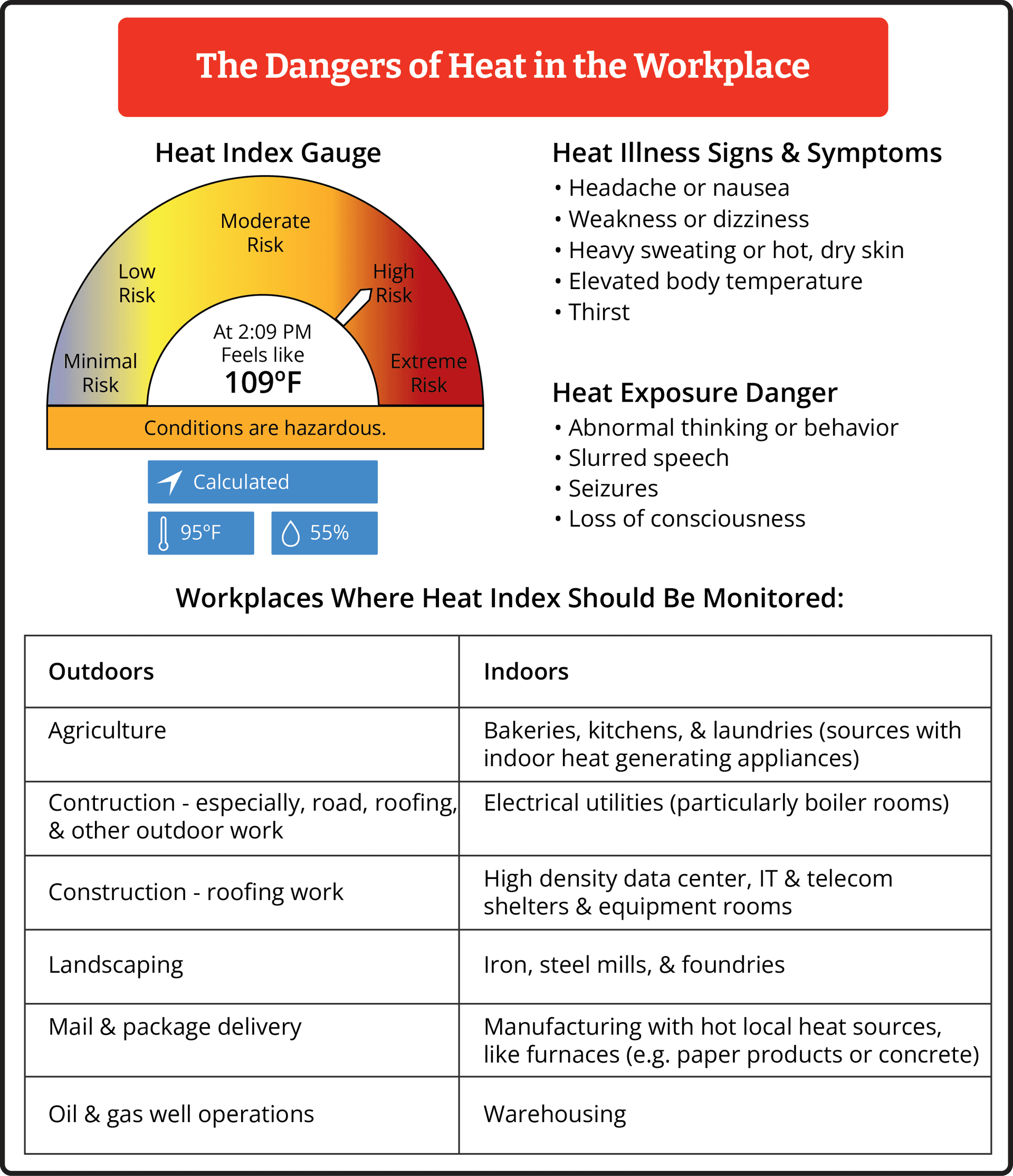
Heat risk at Big Lots is not limited to a parking lot or a sidewalk. OSHA says hazardous heat can build indoors or outdoors, and it can happen in any season, which makes stockrooms, unloading zones, back-of-house work and parking lot receiving the places to watch when freight piles up and summer shifts move fast.
That warning matters for a chain that operated 1,392 stores in 48 states as of May 4, 2024, with store support centers in Columbus, Ohio, and Henderson, North Carolina. Big Lots filed for Chapter 11 bankruptcy on September 9, 2024, a reminder of how much strain the retailer and its workforce were already under while heat precautions still had to hold on the job.
OSHA’s numbers show why the risk is not theoretical. The agency says Bureau of Labor Statistics estimates recorded 33,890 work-related heat injuries and illnesses involving days away from work from 2011 through 2020, an average of 3,389 a year. OSHA also says environmental heat caused 479 U.S. worker fatalities from 2011 through 2022, or about 40 deaths a year.
The danger often starts with symptoms that can look minor until they are not. OSHA says heat illness can begin with cramps and move to headache, nausea, weakness, dizziness, thirst, reduced urine output, abnormal thinking, slurred speech, seizures, fainting and hot, dry skin. In a medical emergency, OSHA says to call 911, cool the worker with water or ice, move the person to shade or a cooler area if possible, and stay with them until help arrives.
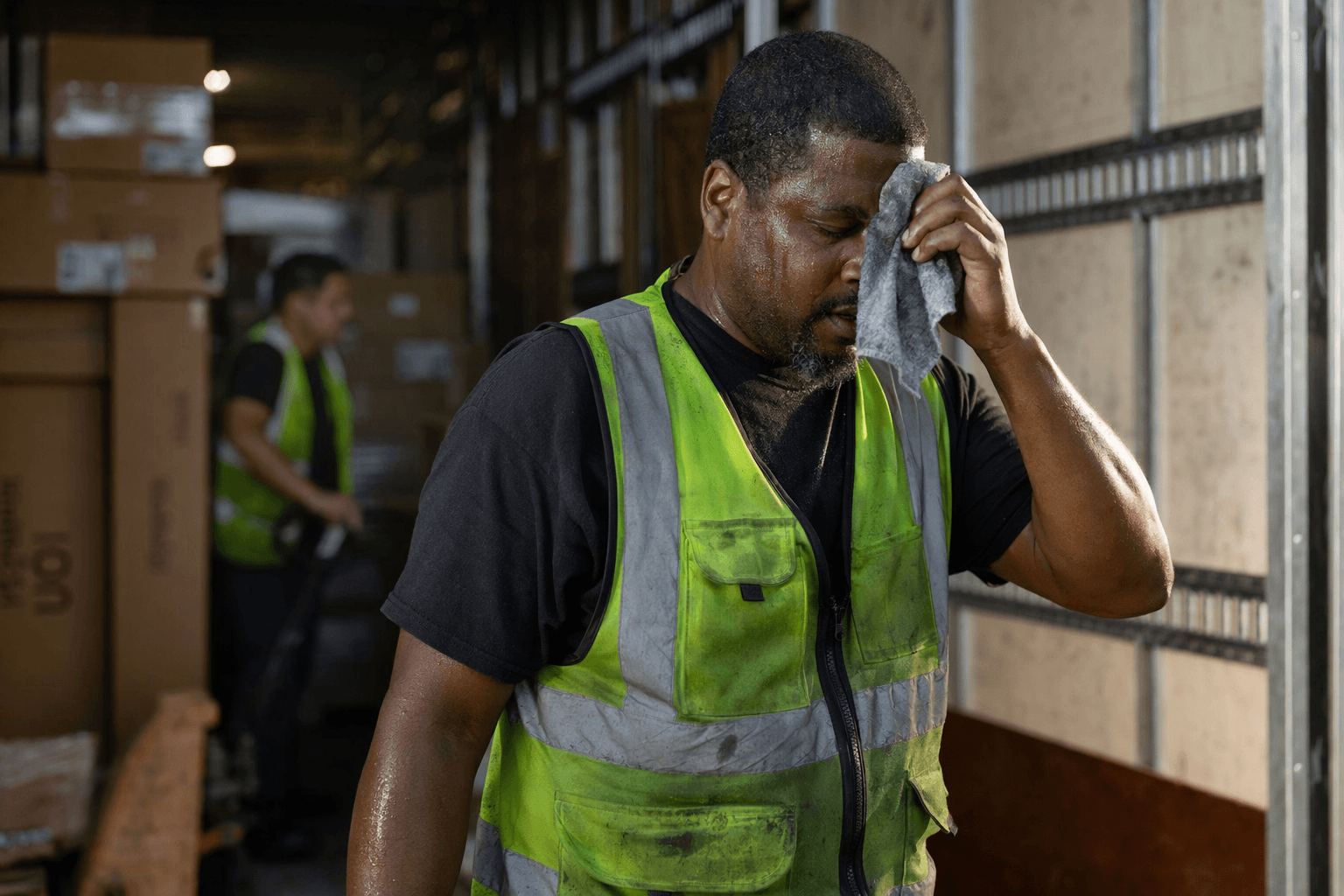
For retail managers, the practical fix is not complicated, but it has to be planned. OSHA says workers need training to spot symptoms in themselves and each other, along with early access to water, rest and a cooler area. The agency also says employers should develop and implement a heat safety plan, while CDC and NIOSH recommend acclimatizing new and returning workers gradually over a 7 to 14 day period.
That first week is the most dangerous stretch. OSHA says nearly 3 out of 4 heat illness fatalities happen during the first week of work. For Big Lots crews handling truck days, backroom pulls and summer floor resets, the warning sign is simple: if a stockroom feels heavy, hot and airless, it is already a safety issue, not just a comfort complaint.
This article was produced by Prism’s automated news system from verified source data, official records, and press releases, then run through automated quality and moderation checks before publishing. The system is built and supervised by the people who set the standards it runs under. Read our full AI policy.
Know something we missed? Have a correction or additional information?
Submit a Tip