Ross posts record sales surge as value retail traffic rebounds
Ross posted a 21% sales jump and a record 17% comp, showing how traffic, inventory discipline, and clean stores still win in value retail.
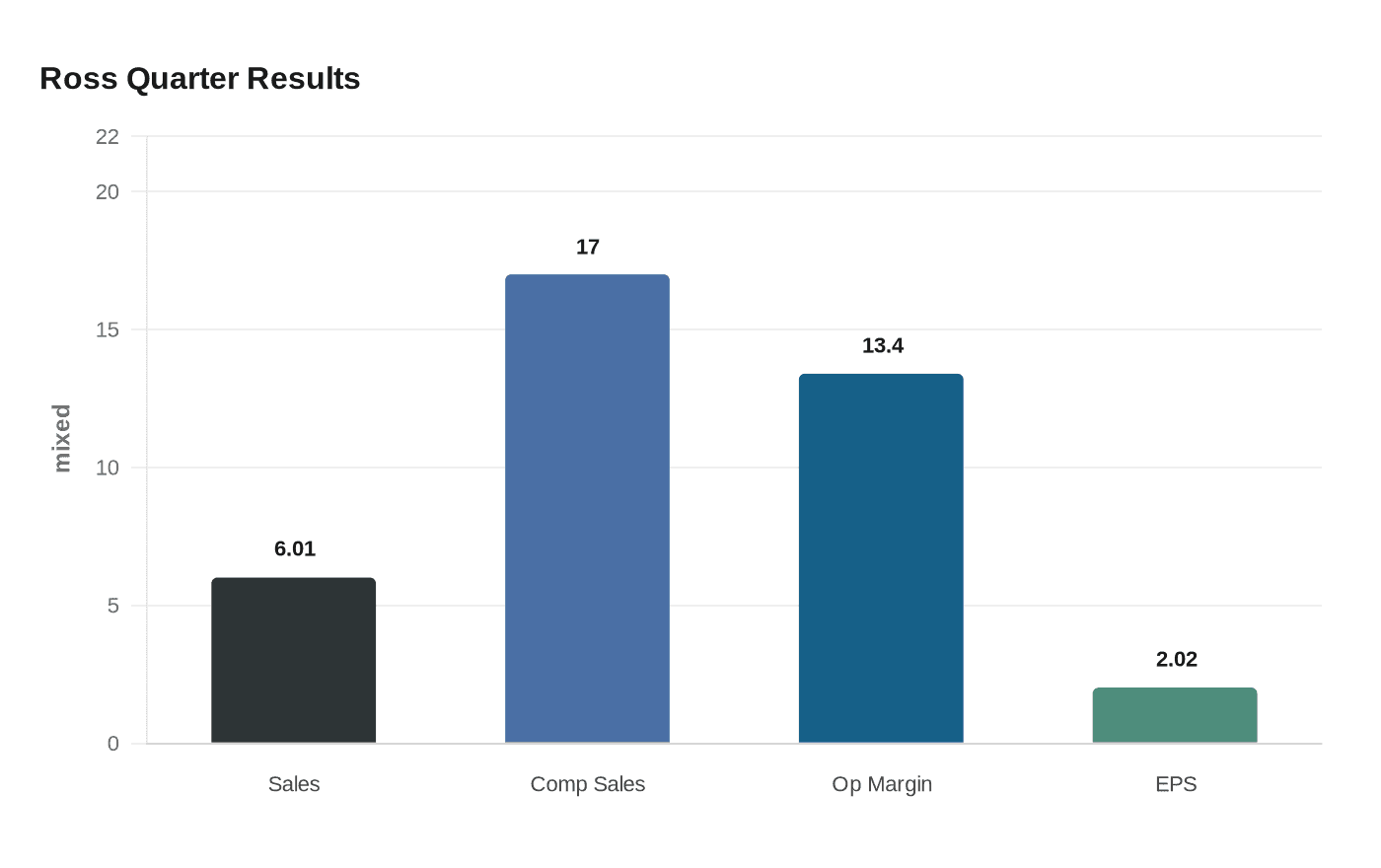
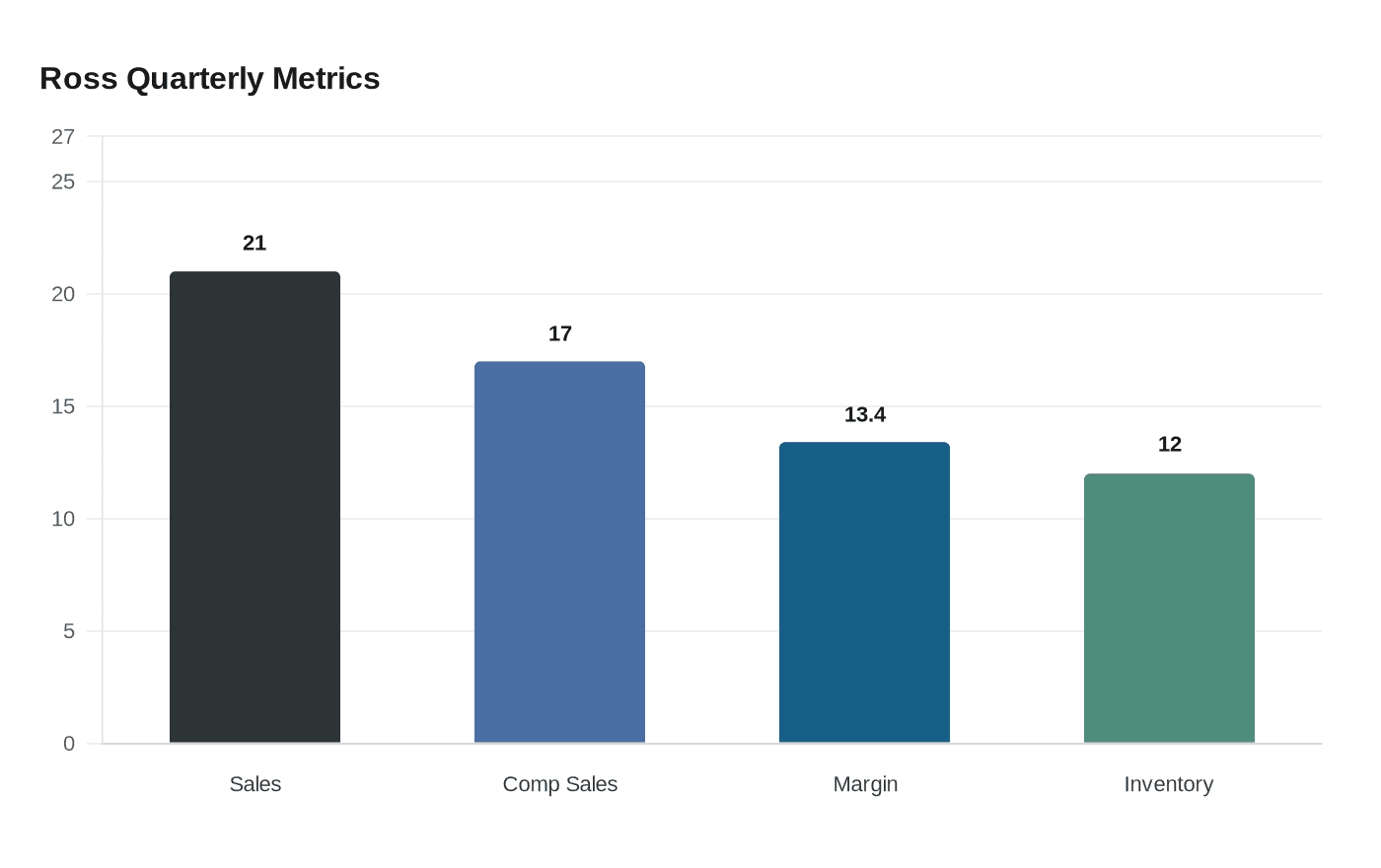
Ross Stores delivered a quarter that shows exactly what winning looks like in value retail right now: total sales rose 21% to about $6.01 billion, comparable store sales climbed 17%, operating margin reached 13.4%, and earnings per share hit $2.02, up 37% from a year earlier. Chief executive Jim Conroy said customer traffic drove the results, while tax refunds also helped lift spending during the 13-week period ended May 2, 2026.
The details matter for anyone watching store-level execution. Ross said its 17% comparable-sales gain was the highest same-store-sales growth in company history. The chain also said it saw healthy customer-count gains across income levels, ethnicities, and age groups, including younger shoppers. Every major merchandise category posted comp growth in the teens or higher, with the Midwest performing best. Inventory levels were up 12% heading into the demand period, a sign the company was stocking to meet traffic instead of chasing it after the fact.

Ross is also raising the bar for what value retail can demand from a store team. The company lifted its fiscal 2026 same-store-sales outlook to 6% to 7% and raised its earnings forecast to $7.50 to $7.74, from $6.61 in fiscal 2025. It guided second-quarter comparable sales of 6% to 7% and EPS of $1.85 to $1.93 for the 13 weeks ending August 1, 2026. Ross ended the quarter with 2,282 stores and said it planned to open about 110 more this year, which signals confidence in the format and the operating playbook behind it.
For Big Lots workers, Ross is a reminder that value retail still rewards the basics: fresh assortments, tight inventory control, and stores that feel easy to shop. That is the standard Big Lots lost when it filed Chapter 11 on September 9, 2024, after high interest rates and a sluggish housing market pressured furniture and decor demand. The proposed sale to Nexus Capital Management for about $760 million later collapsed, and the case moved toward Chapter 7 liquidation. Ross’s quarter shows the gap between a chain that can convert traffic into transactions and one that cannot keep execution, stock flow, and store standards aligned.
Know something we missed? Have a correction or additional information?
Submit a Tip