Walmart’s Q1 shows retail work shifting toward faster digital fulfillment
Walmart’s latest quarter shows stores turning into fulfillment hubs, a signal Big Lots workers should watch for tighter inventory control, pickup staging, and faster backroom-to-floor work.
What Walmart’s quarter is really saying
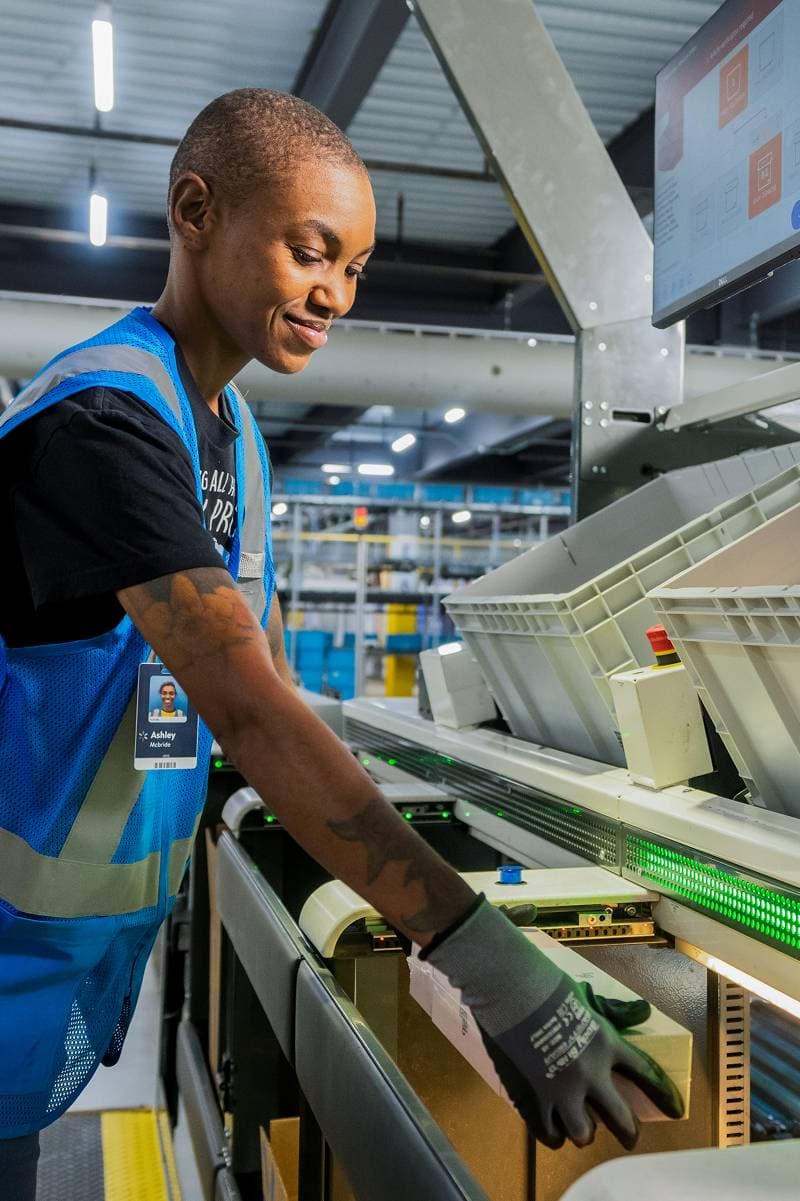
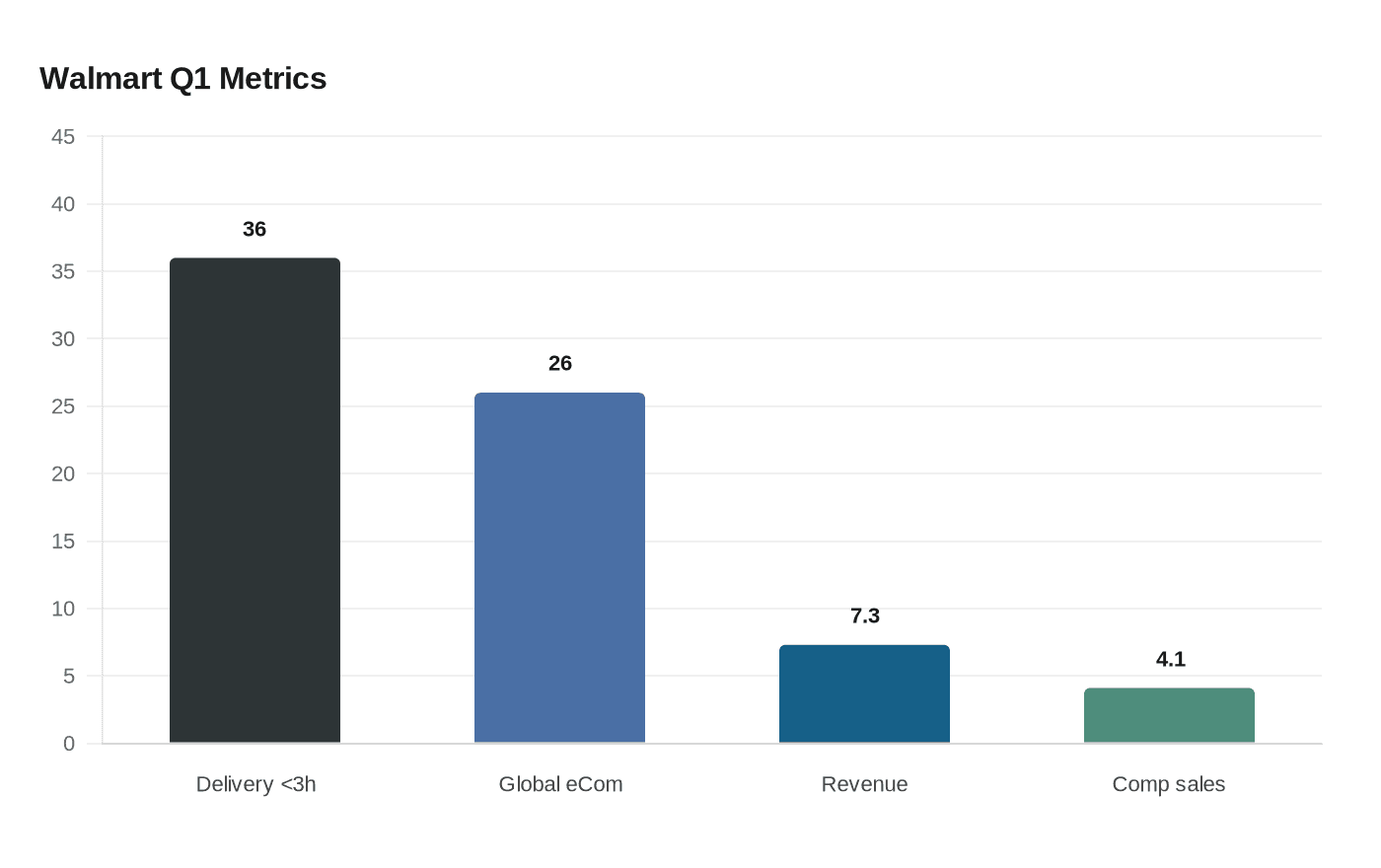
Walmart’s latest quarter is a warning shot for retail labor. The company said more than 36% of store-fulfilled U.S. delivery orders arrived in under three hours, global eCommerce grew 26%, and about half of its U.S. eCommerce fulfillment-center volume is automated, which shows how fast stores are being judged as delivery engines, not just sales floors.
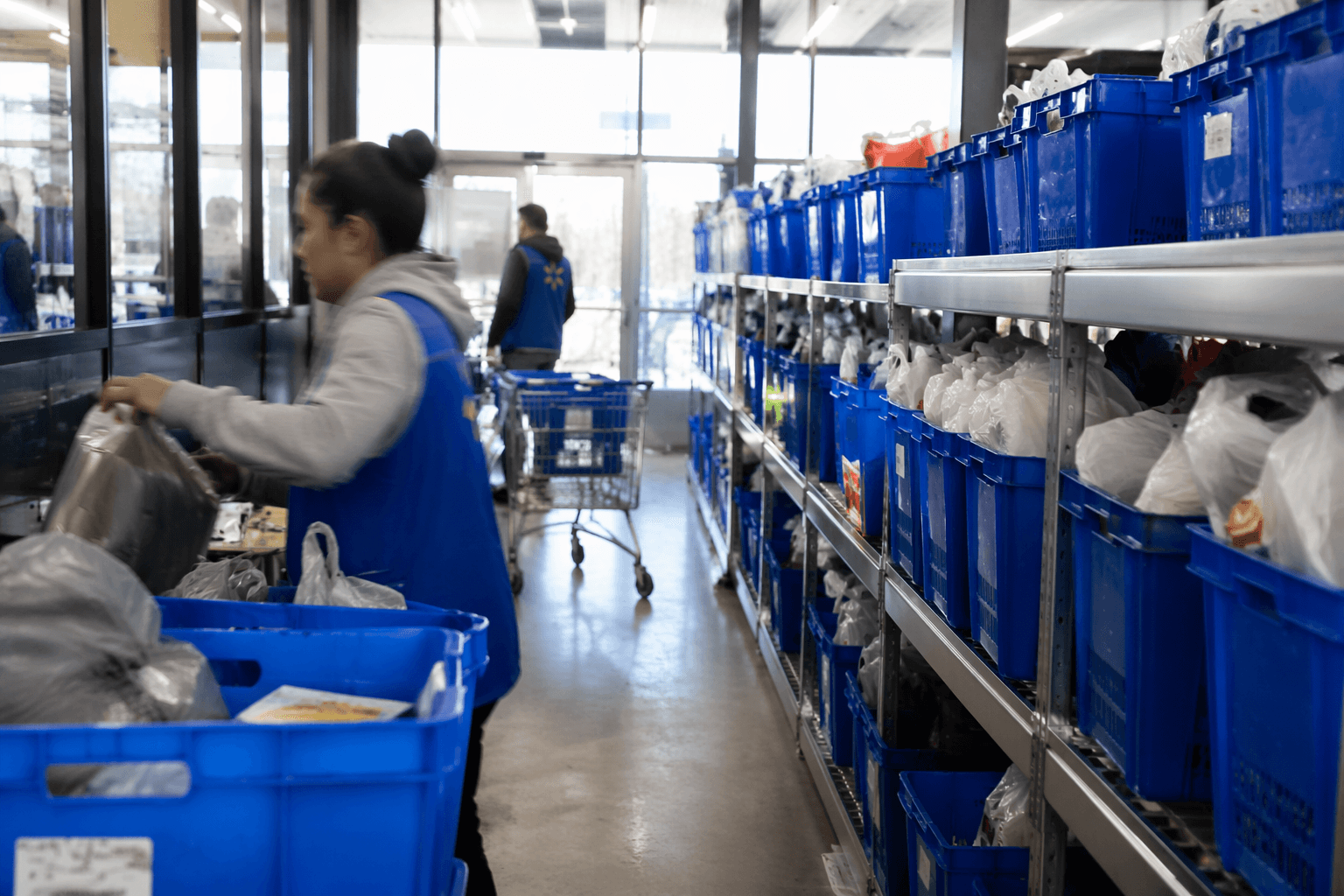
That speed came alongside solid sales, not instead of them. Walmart said total revenues rose 7.3% on a constant-currency basis, U.S. comparable sales increased 4.1% excluding fuel, and market-share gains were driven by grocery and general merchandise, led by upper-income households. For workers, the signal is clear: the company is proving that low prices now have to travel with fast, reliable fulfillment.
Why Big Lots workers should care
For Big Lots workers, the real lesson is not Walmart’s scale. It is the way store work keeps getting pulled toward pickup, delivery, and inventory precision. When a retailer can promise three-hour delivery from the store and automate roughly half of its fulfillment-center volume, the job on the floor changes too: more scanning, more staging, more pressure to keep shelves and stockrooms synchronized, and less tolerance for misplaced freight or slow handoffs. That is the direction the discount sector is moving, and it raises the bar on daily execution.
That matters even more at Big Lots because the company has already been through a brutal restructuring cycle. Former BL Stores, Inc., formerly Big Lots, Inc., filed voluntary Chapter 11 on September 9, 2024, in the U.S. Bankruptcy Court for the District of Delaware before Judge J. Kate Stickles, and the case was later converted to Chapter 7 after the sale process and restructuring efforts faltered. When a chain is fighting for survival, every operational miss, every extra minute in the backroom, and every failed inventory promise carries more weight.
The operational clues hidden inside Walmart’s numbers
The biggest clue is that store labor is becoming a fulfillment workflow. Walmart said its U.S. stores are now digital fulfillment nodes, and that more than half of store-fulfilled orders were moving quickly enough to be measured in three-hour windows. That means front-end work, stockroom work, and order-picking work are no longer separate lanes. They are converging into one operating model, where speed and accuracy matter at the same time.
For Big Lots, that points to a few day-to-day changes workers should expect if the company keeps modernizing in the same direction:
- More pickup staging and tighter zone discipline, because store-fulfilled delivery depends on orders being easy to find, verify, and hand off quickly.
- More cross-training across merchandising, replenishment, and customer service, because Walmart’s model ties those tasks together instead of treating them as separate departments.
- More pressure on inventory accuracy and handheld scanning, because a store that functions like a logistics node cannot afford wide gaps between what the system says is on hand and what is actually on the shelf. That is an inference from Walmart’s fulfillment strategy, but it is the clearest operational direction in the numbers.
- Faster backroom-to-customer workflows, because the competitive advantage now comes from turning freight into sellable inventory, or delivery-ready orders, with very little delay.
Walmart’s longer playbook shows where the pressure is coming from
This shift did not start with one quarter. Walmart said in 2022 that orders coming from stores had risen 170% over the prior year, and it described market fulfillment centers inside stores as part of the next phase of its last-mile strategy. That same year, it said stores could be used for storage and fulfillment because the company had 4,700 stores within 10 miles of 90% of the U.S. population.
By 2024, Walmart said its grocery network supported over 4,600 stores and that it was adding technology to increase speed and capacity. In Q4 FY25, it said same-day delivery could reach 93% of U.S. households, and in 2025 it said geospatial technology could extend delivery to 12 million more households. In Q3 FY26, it said more than 60% of its stores were receiving some freight from automated distribution centers and more than 50% of its eCommerce fulfillment-center volume was automated. Those are not isolated data points. They are the outline of a retail system built around faster movement, denser tracking, and more machine-assisted labor.
What the next phase looks like on the floor
The practical takeaway for Big Lots workers is straightforward: the store model is changing from “stock it and sell it” to “stock it, stage it, track it, and move it fast.” Walmart’s results show that value retail is increasingly won by companies that can combine low prices with reliable fulfillment, and that means labor standards are likely to keep tightening around productivity, accuracy, and turnaround time.
For workers, the change will show up in ordinary tasks first, not in slogans. More of the backroom may be reorganized around pickup and delivery, more shifts may be measured by how quickly freight becomes customer-ready, and more managers may expect associates to jump between the floor, the stockroom, and order support without much downtime. Walmart’s Q1 FY27 results show that this is no longer a future scenario. It is the new operating standard retail chains are being forced to meet.
Know something we missed? Have a correction or additional information?
Submit a Tip